
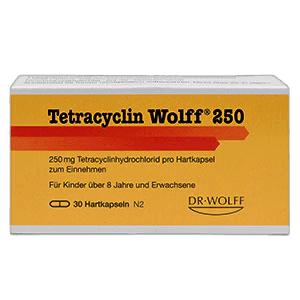
What is Tetracycline?
Tetracycline is a broad-spectrum antibiotic from the tetracycline class that is used orally for moderate to severe inflammatory acne. It is used when topical antibiotics alone are not sufficiently effective.
Tetracyclines have been used in acne treatment for decades. In addition to their antibacterial effect, they also have anti-inflammatory properties that contribute to improving acne independently of the antibacterial effect.
In practice, doxycycline or minocycline, as more modern tetracyclines, are used more often today, but tetracycline remains an option.
Active Ingredients & Mechanism of Action
Active ingredient: Tetracyclin
Tetracycline has antibacterial and anti-inflammatory effects:
Antibacterial effect:
- Inhibits bacterial protein synthesis (30S ribosome)
- Bacteriostatic against Cutibacterium acnes
- Reduces the bacterial load in the sebaceous glands
Anti-inflammatory effect:
- Inhibits matrix metalloproteinases
- Reduces neutrophil chemotaxis
- Inhibits the production of pro-inflammatory cytokines
- This effect is also present at sub-antibiotic doses
Time course:
- First improvement: 4-6 weeks
- Optimal effect: 8-12 weeks
Who is it suitable for?
Tetracycline is suitable for:
- Moderate to severe inflammatory acne
- Papulopustular acne
- When topical treatment is not enough
Always in combination with:
- Topical treatment (benzoyl peroxide and/or retinoid)
- Not as monotherapy
Not suitable:
- Pregnancy and breastfeeding
- Children under 8 years of age (tooth discoloration)
- Mild acne (topical treatment first)
Available Dosages
Tetracycline tablets/capsules:
- 250-500 mg 2x daily
- Treatment duration: 6-12 weeks
- Maximum: 3 months, then review the treatment
Note on taking it:
- Take on an empty stomach (1 hour before or 2 hours after eating)
- Do not take with dairy products!
How to Take
How to take:
- 1 hour before eating OR 2 hours after eating
- With a large glass of water
- Stay upright (do not lie down right away)
Important – interactions with food:
- NO milk, yogurt, cheese (calcium binds tetracycline)
- NO iron, magnesium, aluminum (antacids)
- These substances prevent absorption in the gut
Additionally:
- Always together with topical treatment (benzoyl peroxide, retinoid)
- Use sun protection (photosensitization!)
Contraindications
Contraindicated in:
- Pregnancy (tooth discoloration and impaired bone growth in the child)
- Breastfeeding
- Children under 8 years of age
- Severe liver or kidney impairment
Caution in:
- Myasthenia gravis
- Systemic lupus erythematosus
Contraception: Tetracyclines can reduce the effectiveness of oral contraceptives! An additional method of contraception is recommended.
Possible Side Effects
Common:
- Gastrointestinal complaints (nausea, diarrhea)
- Photosensitization (sensitivity to sunburn)
- Vaginal fungal infections
Uncommon:
- Headache
- Dizziness
- Esophagitis (with insufficient fluid intake)
Rare:
- Tooth discoloration (in children/pregnant women)
- Pseudotumor cerebri (increased intracranial pressure)
- Hepatotoxicity
Prevention: Drink enough water, use sun protection.
Interactions
Interactions:
- Antacids (aluminum, magnesium, calcium) – reduced absorption
- Dairy products – reduced absorption
- Iron supplements – reduced absorption
- Oral contraceptives – possibly reduced effectiveness
- Isotretinoin – do NOT combine (pseudotumor cerebri)
- Methotrexate – increased toxicity
Time interval: Leave at least 2 hours between tetracycline and antacids, iron, or dairy products.
Frequently Asked Questions
Calcium in dairy products binds tetracycline in the gut and prevents its absorption. The antibiotic then becomes ineffective. Leave 2 hours between tetracycline and dairy products.
Usually 6-12 weeks. A maximum of 3 months at a time. If the acne has not improved by then, the treatment should be changed. Acne antibiotics are not a long-term treatment.
Doxycycline is prescribed more often today because it is easier on the stomach and can be taken regardless of meals. Both belong to the same class of antibiotics and work similarly against acne.
Similar Medications
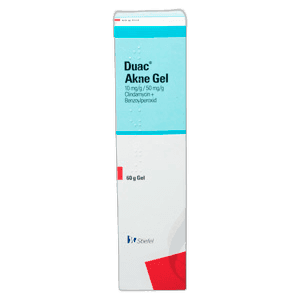
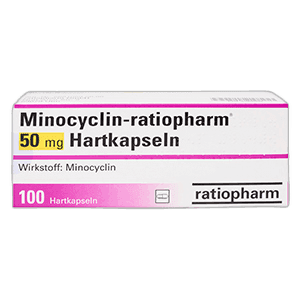
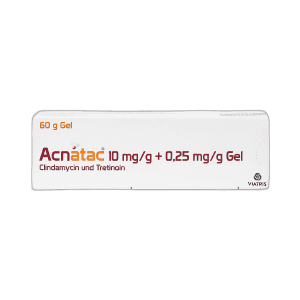
Is Tetracycline right for you?
A licensed doctor will review your information and issue a prescription if suitable. Discreet and secure.
Important Notice
This information does not replace medical advice. If you have questions about your health or the suitability of this medication, please consult a doctor or pharmacist.
Important Safety Information
This service operates under German pharmaceutical law (HWG). For risks and side effects, read the package leaflet and consult your doctor or pharmacist. All medications are dispensed from a licensed pharmacy in Germany.