



Overview
Pain is one of the most common reasons for seeking medical attention. It can occur acutely (e.g., after an injury) or become chronic, significantly burdening both body and mind. The important thing to know is: pain is a warning signal -- but it does not have to be "endured."
Treatment depends greatly on whether the pain is acute or chronic, where it occurs, and what the underlying cause is. Sometimes simple measures are sufficient; sometimes targeted diagnostics are necessary.
A medical consultation can help plan safe initial treatment and identify warning signs -- also available online.
What is it?
Pain is an unpleasant sensory and emotional experience that indicates actual or potential tissue damage.
A distinction is made between:
- Acute pain: short-term, usually with a clear cause
- Chronic pain: lasting longer than 3 months, often with a "pain memory"
Pain types are also distinguished:
- Nociceptive (e.g., inflammation, injury)
- Neuropathic (nerve pain, e.g., in diabetes)
- Mixed

Your treatment starts here
Fill out the medical questionnaire – a licensed doctor will review your information and issue a prescription if appropriate.
Causes
Causes are highly variable and depend on the pain location.
Common causes of acute pain:
- Injuries, muscle tension
- Infections and inflammation
- Toothache, migraine attacks
Common causes of chronic pain:
- Back and joint diseases
- Neuropathic pain (polyneuropathy)
- Headache syndromes
- Chronic inflammation
Risk factors for chronification:
- Prolonged stress, sleep deprivation
- Lack of physical activity
- Depression/anxiety
- Repeated protective posturing
Symptoms
Pain varies in intensity, quality, and course:
- Stabbing, pressing, burning
- Continuous or episodic
- Radiation (e.g., into the leg)
Warning signs (seek immediate evaluation):
- Neurological deficits (paralysis, numbness)
- Sudden "worst headache ever"
- Chest pain, shortness of breath
- Fever, neck stiffness
- Severe abdominal pain with circulatory problems
- Loss of bowel/bladder control with back pain

Ready for the next step?
Start your online consultation now – discreet, secure and supervised by licensed doctors.
Diagnosis
Diagnosis begins with medical history and physical examination: location, duration, triggers, accompanying symptoms, pre-existing conditions.
Depending on the suspected cause:
- Blood tests
- Imaging (ultrasound, X-ray, MRI)
- Neurological tests
In an online consultation, symptoms can be systematically assessed, warning signs evaluated, and safe initial therapy recommended. In the case of red flags, immediate in-person evaluation is advised.
Treatment
Treatment depends on the cause and type of pain.
Non-pharmacological:
- Exercise, heat/cold
- Physical therapy/exercises (especially for back pain)
- Relaxation, sleep optimization
Medications (depending on the situation):
- Paracetamol (acetaminophen): well-tolerated, but liver dose limits must be observed
- Ibuprofen (or other NSAIDs): anti-inflammatory; possible side effects: stomach, kidney, blood pressure
- For stronger pain, weak opioids may be used (short-term only, with strict medical review)
Important contraindications:
- NSAIDs (e.g., ibuprofen) with gastric ulcer, kidney disease, certain cardiovascular risks
- Paracetamol with severe liver disease
- Opioids: risk of dependence, drowsiness, constipation; not without a clear indication
Available medications
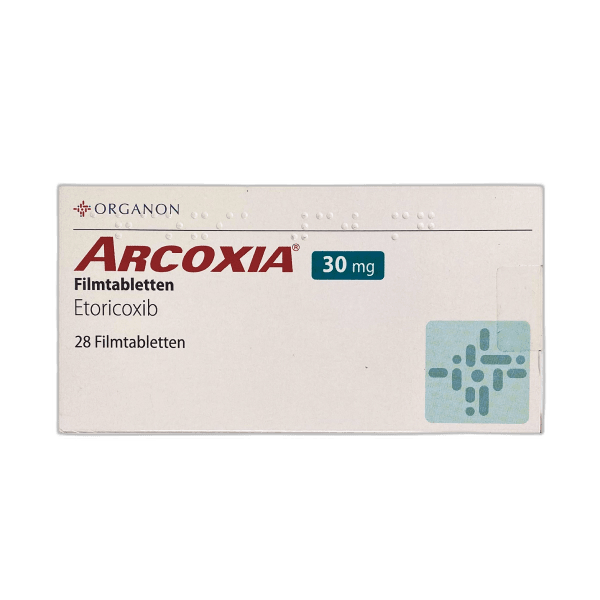
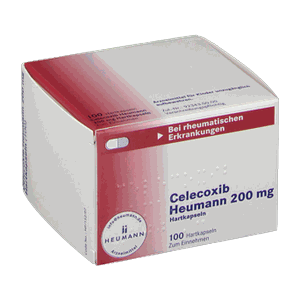
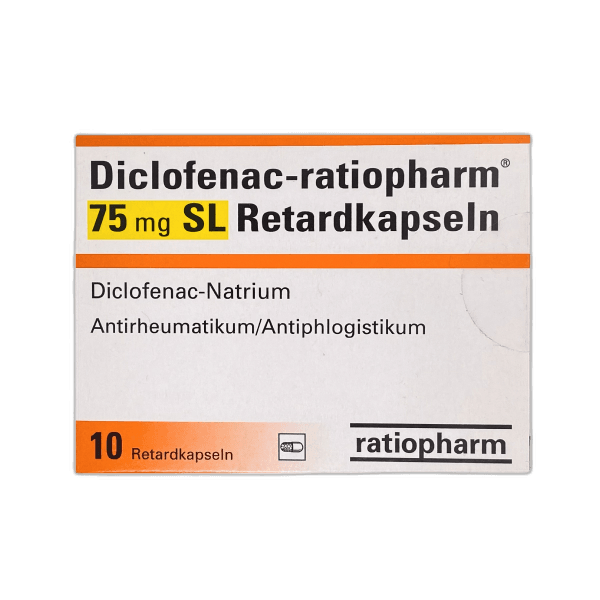
Various prescription medications are available for treatment. Click on a medication to learn more about its effects, dosage and side effects.


Prevention
Prevention depends on the type of pain:
- Regular exercise and strength training
- Ergonomics and breaks in daily routines
- Stress management and sleep
- Early treatment to prevent chronification
For recurring pain, a medical evaluation is worthwhile.

Why deinrezept.de?
Licensed doctors
Your information is reviewed by licensed doctors.
Data protection
Your data is SSL-encrypted and processed in compliance with GDPR.
Medically reviewed
All content is regularly reviewed and updated by medical specialists.
FAQ
It depends on the cause. Ibuprofen also has anti-inflammatory effects but carries greater stomach/kidney risks. Paracetamol is gentler on the stomach, but liver dose limits are important.
For severe, new, or persistent pain, for warning signs (e.g., paralysis, chest pain, fever), or when self-care measures are not helping.
When pain persists for a long time, the nervous system can become 'sensitized' (pain memory). Early, active treatment reduces this risk.
Yes, for many acute complaints, a structured initial assessment and therapy planning are possible online. For warning signs, an in-person examination is necessary.
Would you like a medical assessment?
Fill out the medical questionnaire. A licensed doctor will review your information and recommend a suitable therapy if appropriate.
Important notice
This content is for general information only. In case of severe pain, shortness of breath, impaired consciousness, fever > 39°C or rapidly worsening symptoms, please seek immediate medical help (Emergency 112).
Related treatments
Further treatments on related topics.