



Overview
In this section you will get an overview of the condition and its relevance to your health.
Bronchial asthma is one of the most common chronic diseases of the airways. In Germany, several million people are affected — children as well as adults. The condition manifests through episodic or persistent narrowing of the airways.
Untreated or poorly controlled asthma can significantly impair quality of life and, in the worst case, lead to severe asthma attacks. However, many sufferers underestimate the condition or accept their symptoms as unavoidable.
Whether and which therapy is suitable is assessed individually as part of a medical consultation -- also available online.
What is it?
Here you will learn what medically characterizes this condition and how it is defined.
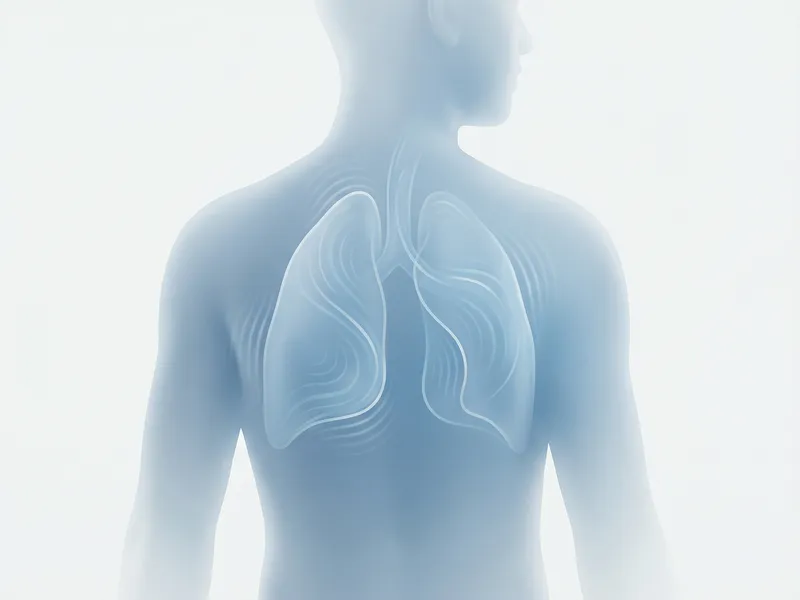
Asthma is a chronic inflammatory disease of the airways. The bronchi react hypersensitively to various stimuli and narrow temporarily or persistently.
Three main mechanisms are characteristic of asthma:
- Chronic inflammation of the bronchial mucosa
- Spasm of the bronchial muscles
- Increased mucus production
These processes lead to difficulty exhaling and typical symptoms such as shortness of breath and wheezing. Asthma usually progresses in episodes but can also cause persistent symptoms.
Your treatment starts here
Fill out the medical questionnaire – a licensed doctor will review your information and issue a prescription if appropriate.
Causes
The following information explains which factors can contribute to the development of this condition.
The development of asthma is multifactorial and based on an interplay of genetic predisposition and environmental factors.
Allergic asthma is the most common form. It is triggered by allergens such as pollen, house dust mites, or pet dander.
Non-allergic asthma is triggered by stimuli such as cold air, physical exertion, infections, or pollutants.
Additional contributing factors include:
- Family history
- Smoking (active or passive)
- Air pollution
- Respiratory infections in childhood
Mixed forms of allergic and non-allergic asthma are common.
Symptoms
This section describes the typical signs and symptoms you should watch for.
Asthma symptoms can vary greatly in frequency and intensity.
Typical symptoms include:
- Shortness of breath, especially during exertion or at night
- Wheezing or humming breathing sounds
- Tightness in the chest
- Cough, often at night or early in the morning
Asthma attacks manifest as suddenly increasing shortness of breath and can constitute medical emergencies.
Warning signs that require immediate medical evaluation include:
- Increasing shortness of breath despite medication
- Inability to speak due to breathlessness
- Bluish discoloration of the lips or fingernails

Ready for the next step?
Start your online consultation now – discreet, secure and supervised by licensed doctors.
Diagnosis
Below you will learn how this condition is detected through medical examinations.
The diagnosis of asthma is made through a combination of medical history, physical examination, and pulmonary function tests.
Key examinations include:
- Spirometry to measure respiratory performance
- Bronchodilation test
- Allergy tests if applicable
In some cases, provocation tests or peak flow measurements are used.
As part of an online consultation, symptoms, previous findings, and the course of therapy can be assessed. If needed, further diagnostics will be recommended.
Treatment
Here the available therapy options and their modes of action are explained.
Asthma treatment follows a stepwise and individually tailored approach.
Inhaled corticosteroids (ICS) are the cornerstone of therapy. They are prescription-only medications whose suitability and dosage are assessed individually by a doctor.
Bronchodilator medications such as salbutamol are used for rapid relief of acute symptoms. They relax the bronchial muscles.
Long-acting bronchodilators such as formoterol are usually used in combination with ICS.
Additional therapy options:
- Leukotriene receptor antagonists such as montelukast
- Biologics for severe asthma
Important notes:
- Proper inhaler technique is crucial for treatment success
- Regular use of maintenance therapy is necessary, even when symptom-free
Available medications
Various prescription medications are available for treatment. Click on a medication to learn more about its effects, dosage and side effects.
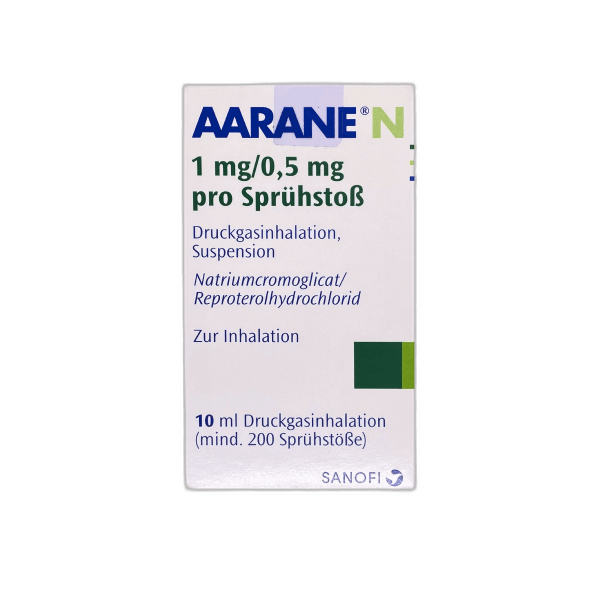
Aarane
Cromoglicinsäure, Reproterolhydrochlorid
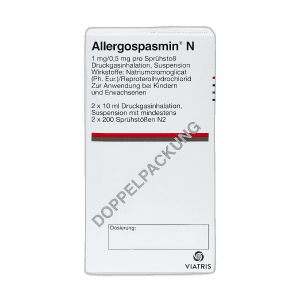
Allergospasmin
Cromoglicinsäure, Reproterolhydrochlorid
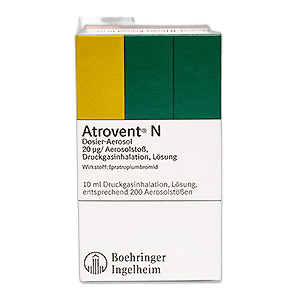
Atrovent
Ipratropiumbromid
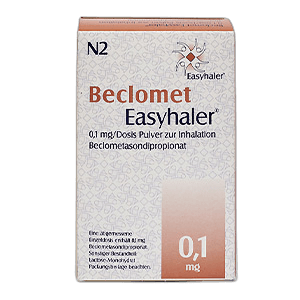
Beclomet Easyhaler
Beclometasondipropionat
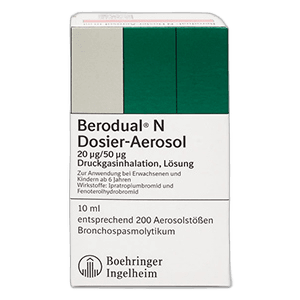
Berodual
Fenoterol, Ipratropiumbromid
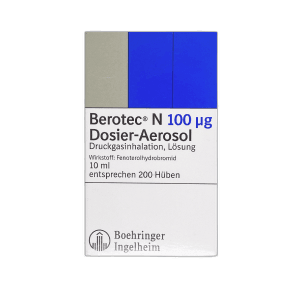
Berotec
Fenoterol
Prevention
This section provides guidance on prevention and reducing risk factors.
Asthma cannot be completely prevented but can be well controlled.
Important measures include:
- Avoiding known triggers
- Not smoking
- Regular use of prescribed medications
- Asthma education and self-management training
An individually created asthma action plan helps to recognize deterioration early and respond appropriately.

Why deinrezept.de?
Licensed doctors
Your information is reviewed by licensed doctors.
Data protection
Your data is SSL-encrypted and processed in compliance with GDPR.
Medically reviewed
All content is regularly reviewed and updated by medical specialists.
FAQ
Here you will find answers to frequently asked questions on this topic.
Asthma is generally not curable but can be very well controlled with the right therapy.
Yes, regular physical activity is actually recommended. Therapy should be adjusted accordingly.
An asthma attack is a sudden worsening of airway narrowing with acute shortness of breath.
Yes, follow-up monitoring, therapy adjustments, and prescriptions can be managed online after medical review.
Would you like a medical assessment?
Fill out the medical questionnaire. A licensed doctor will review your information and recommend a suitable therapy if appropriate.
Important notice
This content is for general information only. In case of severe pain, shortness of breath, impaired consciousness, fever > 39°C or rapidly worsening symptoms, please seek immediate medical help (Emergency 112).
Related treatments
More treatments from the General Medicine area that might interest you.
Medical Cannabis
Brief check of symptoms, pre-existing conditions and previous therapies for medical assessment.
Hay Fever
A short questionnaire helps to capture symptoms, triggers and previous treatment.
Smoking Cessation
Brief check of consumption, motivation and circumstances – for suitable options.
Migraine
We capture frequency, triggers and warning signs to medically assess options.