



Overview
Vitamin D plays a central role in bone, muscle, and immune system health. Many people in Germany do not achieve sufficiently high vitamin D levels, especially during the winter months, because sunlight -- the most important source -- is lacking.
A vitamin D deficiency often goes unnoticed for a long time or presents nonspecifically through fatigue, muscle weakness, or diffuse pain. With severe deficiency, the risk of bone diseases such as osteomalacia or osteoporosis increases.
Whether supplementation is appropriate and at which dosage is assessed individually as part of a medical consultation -- also available online.
What is it?
Vitamin D is, strictly speaking, a hormone precursor. The body primarily produces it in the skin under UVB light. It is then converted into active forms in the liver and kidneys.
Vitamin D regulates calcium and phosphate metabolism and is therefore crucial for:
- Bone mineralization
- Muscle strength
- Immune system function
The marker typically measured is 25(OH)-vitamin D in the blood.
Your treatment starts here
Fill out the medical questionnaire – a licensed doctor will review your information and issue a prescription if appropriate.
Causes
A deficiency occurs when too little vitamin D is produced or absorbed.
Insufficient sunlight is the most common cause (winter, predominantly indoor lifestyle, sun protection, darker skin).
Other risk factors:
- Older age
- Overweight
- Certain intestinal diseases (malabsorption)
- Kidney disease
- Strict covering clothing, low UV exposure
Diet alone often does not reliably cover the requirement.
Symptoms
Mild deficiencies are often symptom-free.
Possible symptoms:
- Fatigue, exhaustion
- Muscle weakness, muscle pain
- Bone pain
- Increased susceptibility to infections (nonspecific)
With severe deficiency, bones can demineralize (osteomalacia), and the risk of falls may increase.
Warning signs: severe bone pain, repeated fractures, or severe muscle weakness should be medically evaluated.

Ready for the next step?
Start your online consultation now – discreet, secure and supervised by licensed doctors.
Diagnosis
Diagnosis is made through a blood test: 25(OH)-vitamin D.
Depending on the situation, the following may also be checked:
- Calcium, phosphate
- Parathyroid hormone
- Kidney values
As part of an online consultation, laboratory values can be interpreted and a supplementation plan created.
Treatment
Treatment is usually with vitamin D supplements.
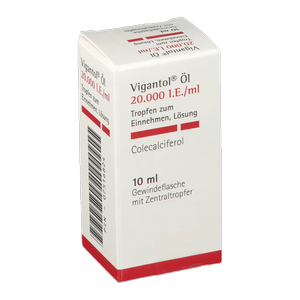
Cholecalciferol (vitamin D3) is the standard. Dosage depends on baseline levels, body weight, and risk.
- For mild deficiency, a daily or weekly maintenance dose is often sufficient.
- For severe deficiency, a higher short-term dose may be given, followed by maintenance.
Possible side effects are rare and occur primarily with overdosing (e.g., elevated calcium levels with nausea, thirst, frequent urination).
Important contraindications: certain forms of hypercalcemia or kidney stones require medical evaluation.
Available medications
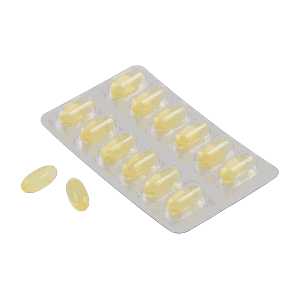
Various prescription medications are available for treatment. Click on a medication to learn more about its effects, dosage and side effects.
Prevention
Prevention:
- Regular moderate sun exposure (without sunburn)
- For those at risk: maintenance dose during sun-poor months
- Balanced diet (fatty fish, eggs), though this alone is often insufficient
Medical monitoring is advisable for at-risk groups.

Why deinrezept.de?
Licensed doctors
Your information is reviewed by licensed doctors.
Data protection
Your data is SSL-encrypted and processed in compliance with GDPR.
Medically reviewed
All content is regularly reviewed and updated by medical specialists.
FAQ
Target ranges vary depending on the recommendation. An individualized assessment based on your risk and laboratory values is important.
With low to moderate doses, this is often unproblematic. With higher dosages or risk factors, the level should be medically monitored.
With deficiency, symptoms can improve within weeks, depending on severity and accompanying factors.
Yes, laboratory values and dosage can be discussed online after medical review.
Would you like a medical assessment?
Fill out the medical questionnaire. A licensed doctor will review your information and recommend a suitable therapy if appropriate.
Important notice
This content is for general information only. In case of severe pain, shortness of breath, impaired consciousness, fever > 39°C or rapidly worsening symptoms, please seek immediate medical help (Emergency 112).
Related treatments
Further treatments on related topics.