



Overview
In this section you will get an overview of the condition and its relevance to your health.
Migraine is far more than an ordinary headache. It is one of the most common neurological conditions and affects women more frequently than men. Many sufferers experience recurring, sometimes very severe headache attacks that significantly limit daily life.
In addition to pain, common accompanying symptoms include nausea, sensitivity to light, and visual disturbances. Migraine attacks can last hours to days and are extremely burdensome for many affected individuals.
Whether and which prescription-only therapy is suitable is assessed individually as part of a medical consultation -- also available online.
What is it?
Here you will learn what medically characterizes this condition and how it is defined.
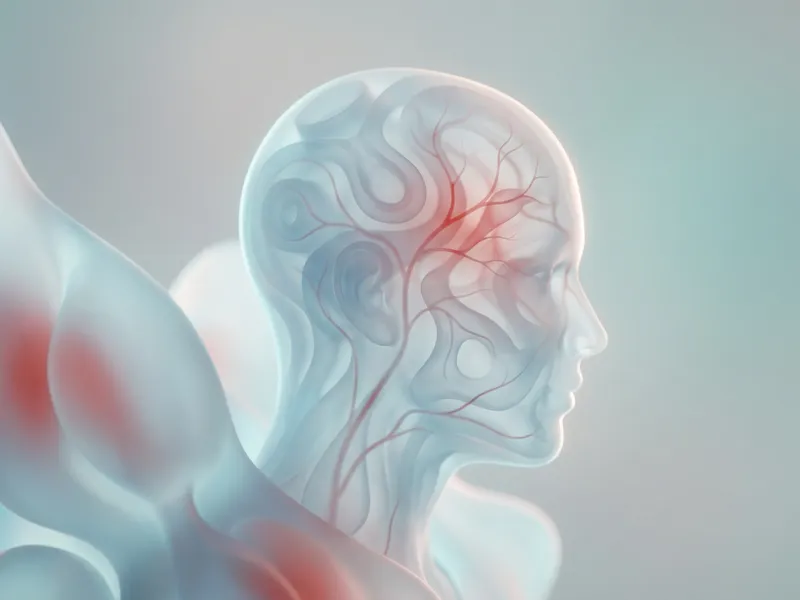
Migraine is a chronic neurological condition characterized by episodic headaches. The pain is usually one-sided, pulsating, and worsens with physical activity.
Several forms are distinguished:
- Migraine without aura
- Migraine with aura (e.g., visual disturbances before the attack)
- Chronic migraine
The exact mechanisms are complex. Changes in neuronal stimulus processing and inflammatory processes in the brain play a central role.
Your treatment starts here
Fill out the medical questionnaire – a licensed doctor will review your information and issue a prescription if appropriate.
Causes
The following information explains which factors can contribute to the development of this condition.
The causes of migraine are not fully understood. It involves an interplay of genetic and environmental factors.
Common triggers include:
- Stress or relaxation phases after stress
- Sleep deprivation or irregular sleep
- Hormonal fluctuations (e.g., menstruation)
- Certain foods or alcohol
- Weather changes
Not every trigger causes an attack in every person.
Symptoms
This section describes the typical signs and symptoms you should watch for.
Migraine presents with characteristic symptoms.
Typical symptoms include:
- Severe, pulsating headache
- Usually one-sided pain
- Nausea and vomiting
- Sensitivity to light, noise, and odors
Aura symptoms may include:
- Flickering or flashes in the visual field
- Sensory disturbances
- Speech difficulties
Warning signs that should be medically evaluated include sudden-onset, very severe headaches or new neurological symptoms.

Ready for the next step?
Start your online consultation now – discreet, secure and supervised by licensed doctors.
Diagnosis
Below you will learn how this condition is detected through medical examinations.
The diagnosis of migraine is based on the typical symptoms and medical history.
Imaging procedures such as MRI or CT are only necessary in atypical cases or when warning signs are present.
A headache diary helps to assess attack frequency, triggers, and treatment success.
As part of an online consultation, symptoms can be systematically recorded and a therapy recommendation provided.
Treatment
Here the available therapy options and their modes of action are explained.
Migraine treatment is divided into acute therapy and preventive therapy.
Acute therapy:
- Pain relievers such as ibuprofen or aspirin
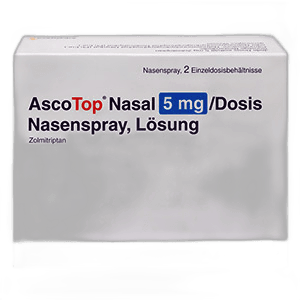
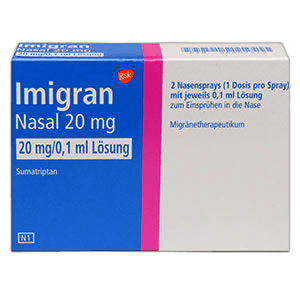
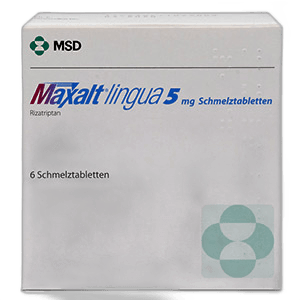
- Triptans for moderate to severe attacks
- Antiemetics for nausea
Preventive therapy:
- Beta-blockers
- Antidepressants
- Anticonvulsants
- CGRP antibodies for severe migraine
Important notes:
- Do not take pain relievers too frequently (risk of medication-overuse headache)
- Therapy should be individually tailored
Available medications
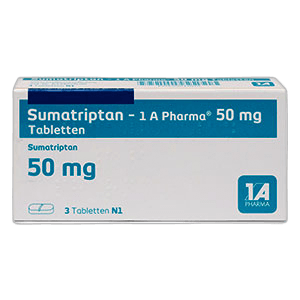
Various prescription medications are available for treatment. Click on a medication to learn more about its effects, dosage and side effects.
Prevention
This section provides guidance on prevention and reducing risk factors.
Regular lifestyle habits are important for preventing migraine attacks.
Recommended measures include:
- Regular sleep-wake cycle
- Stress management
- Endurance exercise
- Avoiding known triggers
Non-pharmacological measures can meaningfully complement medication therapy.

Why deinrezept.de?
Licensed doctors
Your information is reviewed by licensed doctors.
Data protection
Your data is SSL-encrypted and processed in compliance with GDPR.
Medically reviewed
All content is regularly reviewed and updated by medical specialists.
FAQ
Here you will find answers to frequently asked questions on this topic.
Migraine is usually not curable, but prescription-only therapy options exist. A medical consultation can clarify suitability.
Migraine is a neurological condition with typical accompanying symptoms and usually greater intensity.
Outside of attacks, working is usually possible. During an attack, rest is often necessary.
Yes, acute and preventive therapies can be managed online after medical review.
Would you like a medical assessment?
Fill out the medical questionnaire. A licensed doctor will review your information and recommend a suitable therapy if appropriate.
Important notice
This content is for general information only. In case of severe pain, shortness of breath, impaired consciousness, fever > 39°C or rapidly worsening symptoms, please seek immediate medical help (Emergency 112).
Related treatments
More treatments from the General Medicine area that might interest you.
Asthma
We check symptoms and possible warning signs so the next step can be safely determined.
Medical Cannabis
Brief check of symptoms, pre-existing conditions and previous therapies for medical assessment.
Hay Fever
A short questionnaire helps to capture symptoms, triggers and previous treatment.
Smoking Cessation
Brief check of consumption, motivation and circumstances – for suitable options.