



Overview
Hemorrhoids are a very common problem -- and yet a taboo topic for many affected individuals. However, hemorrhoids are initially entirely normal: every person has hemorrhoidal cushions that help with fine sealing of the rectum.
Only when these cushions become enlarged or cause symptoms does one colloquially speak of "hemorrhoids." Typical symptoms include itching, burning, moisture, or bright red blood on toilet paper.
A medical consultation can help select the right therapy and rule out warning signs -- also available online.
What is it?
The hemorrhoidal cushion is a vascular pad in the anal canal. It helps seal the intestine. When this cushion becomes enlarged, it can cause symptoms.
Grades are distinguished:
- Grade I: enlarged, not visible, usually bleeding
- Grade II: protrudes during straining, retracts spontaneously
- Grade III: must be pushed back manually
- Grade IV: permanently prolapsed
Besides hemorrhoids, other causes can produce similar symptoms, e.g., anal fissures or inflammation.
Your treatment starts here
Fill out the medical questionnaire – a licensed doctor will review your information and issue a prescription if appropriate.
Causes
Increased pressure in the rectal area is often the underlying cause.
Constipation and straining are central triggers. Hard stools and prolonged sitting on the toilet increase pressure.
Other risk factors:
- Lack of physical activity
- Overweight
- Pregnancy
- Low-fiber diet
- Chronic diarrhea
- Heavy physical exertion
Multiple factors often contribute simultaneously.
Symptoms
Typical symptoms:
- Bright red blood on toilet paper
- Itching, burning
- Moisture/soiling
- Sensation of pressure, feeling of a foreign body
- Pain (common with inflammation/thrombosis or fissure)
Warning signs (seek medical evaluation):
- Heavy or recurring bleeding
- Black stool (tarry stool)
- Weight loss, fever
- New symptoms at older age without clear cause
- Severe pain or lumps (possible thrombosis)

Ready for the next step?
Start your online consultation now – discreet, secure and supervised by licensed doctors.
Diagnosis
Diagnosis is made through medical history and examination of the anal area. A proctoscopy/anoscopy is often useful to reliably identify the cause of bleeding.
As part of an online consultation, symptoms and warning signs can be assessed and initial therapy recommended. For bleeding or unclear findings, an in-person examination is recommended.
Treatment
Treatment depends on the severity grade.
Basic measures:
- More fiber (e.g., psyllium husk)
- Adequate fluid intake
- Less straining, short toilet times
- Regular exercise
Topical therapy:
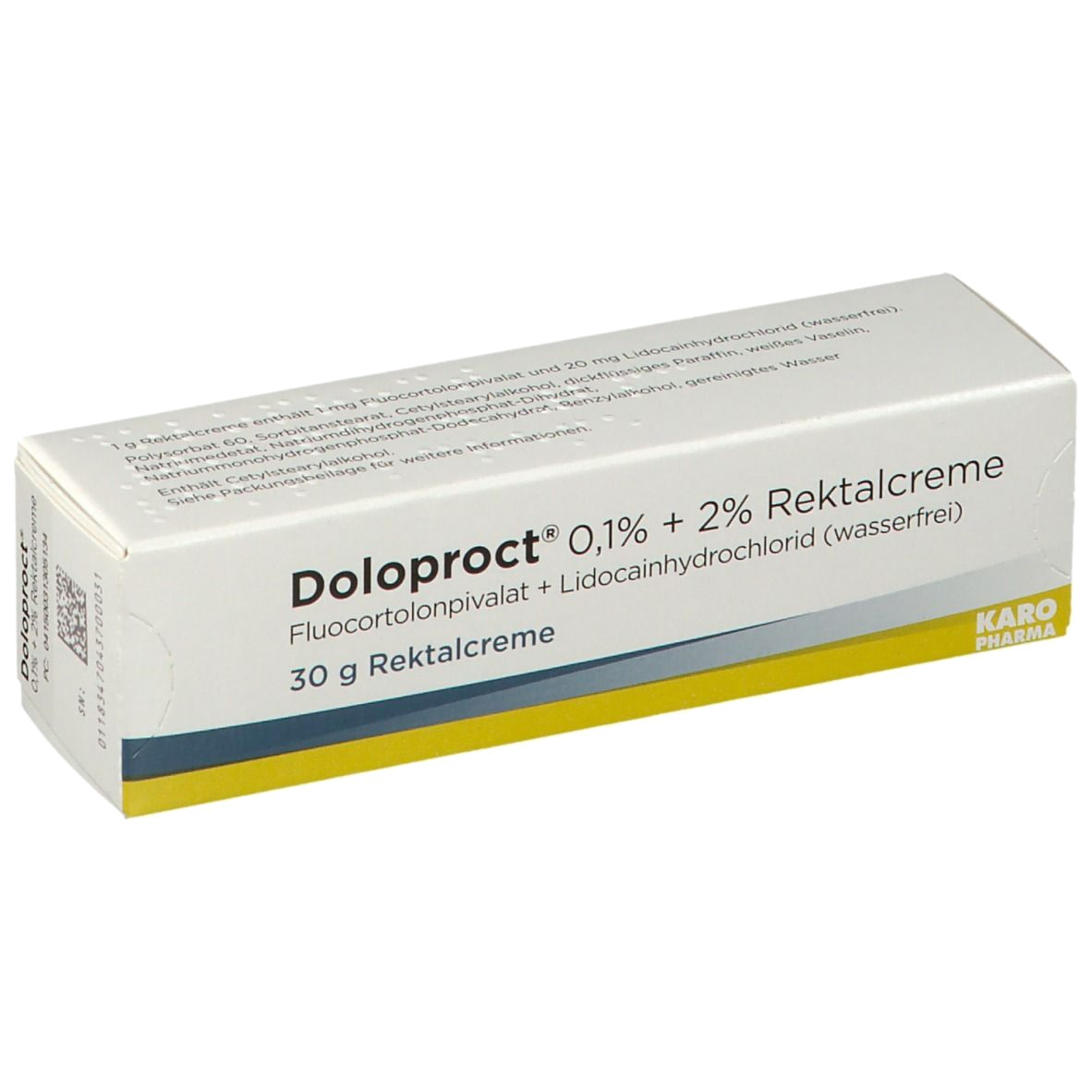
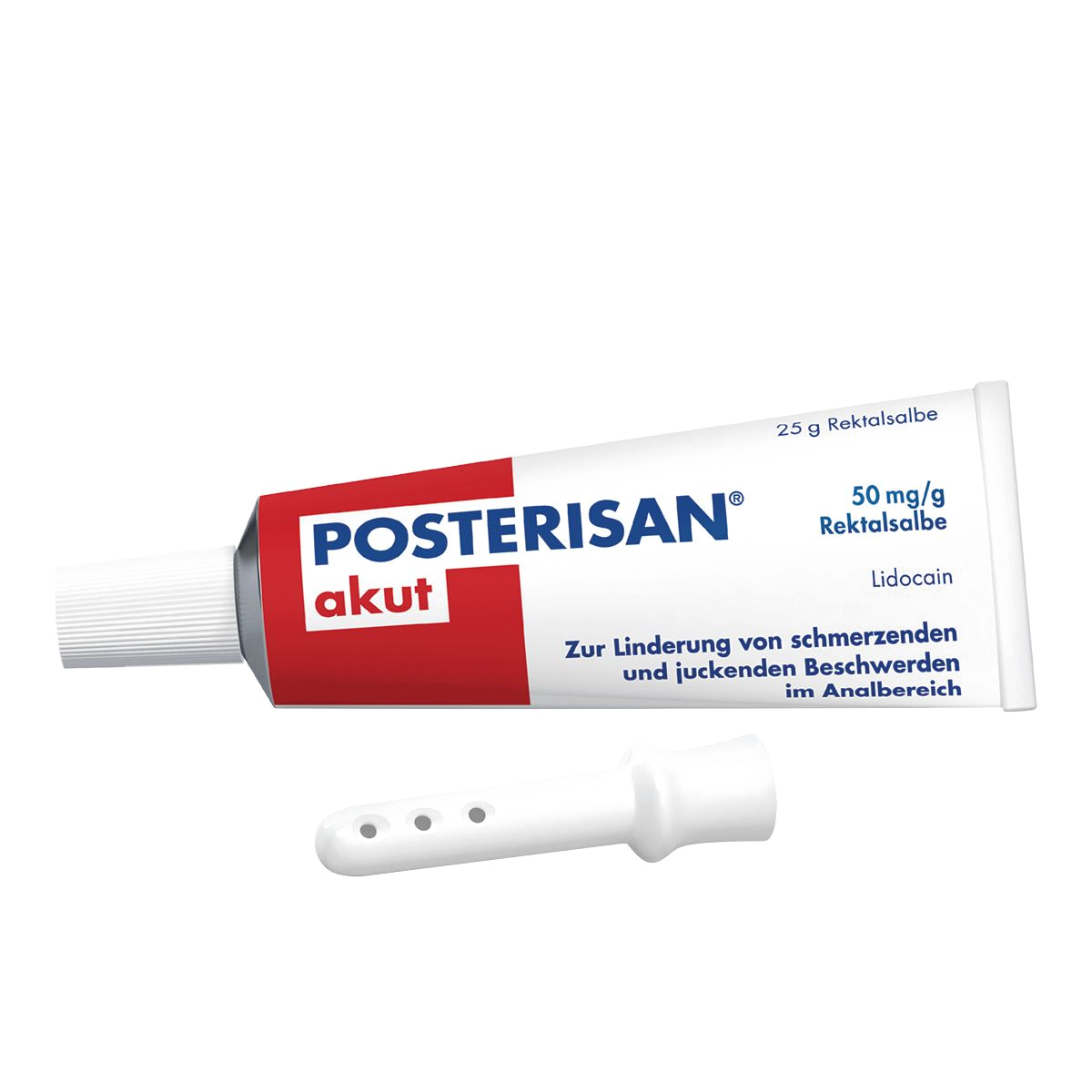
- Hemorrhoid ointments or suppositories (e.g., with local anesthetics, anti-inflammatory agents)
- Sitz baths (lukewarm)
Systemic support:
- Flavonoids (e.g., diosmin) may help with certain symptoms
For higher grades, proctological procedures may be necessary (rubber band ligation, sclerotherapy, surgery) -- medical decision.
Available medications
Various prescription medications are available for treatment. Click on a medication to learn more about its effects, dosage and side effects.
Prevention
Prevention:
- Keep stools soft (fiber, fluids)
- Exercise
- Maintain healthy weight
- Avoid prolonged sitting on the toilet and straining
Early action frequently prevents worsening.

Why deinrezept.de?
Licensed doctors
Your information is reviewed by licensed doctors.
Data protection
Your data is SSL-encrypted and processed in compliance with GDPR.
Medically reviewed
All content is regularly reviewed and updated by medical specialists.
FAQ
Not necessarily. Blood can also come from fissures, inflammation, or other causes. Recurring bleeding should be medically evaluated.
It depends on the symptoms. For itching/burning, topical preparations often help; for inflammation, different active ingredients are more appropriate. Medical advice is helpful.
Mild forms can significantly improve with lifestyle measures. For higher grades, procedures may sometimes be necessary.
Yes, for typical symptoms without warning signs, initial therapy can be managed online. For bleeding or severe pain, an examination is important.
Would you like a medical assessment?
Fill out the medical questionnaire. A licensed doctor will review your information and recommend a suitable therapy if appropriate.
Important notice
This content is for general information only. In case of severe pain, shortness of breath, impaired consciousness, fever > 39°C or rapidly worsening symptoms, please seek immediate medical help (Emergency 112).
Related treatments
Further treatments on related topics.