



Overview
In this section you will get an overview of the condition and its relevance to your health.
Type 2 diabetes is one of the most common chronic conditions and affects millions of people. It often develops unnoticed over years -- many affected individuals initially experience no symptoms or only nonspecific ones.
Left untreated, persistently elevated blood sugar can damage blood vessels and nerves. This increases the risk of heart attack, stroke, kidney damage, eye disease, and impaired wound healing.
Whether and which therapy is suitable is assessed individually as part of a medical consultation -- also available online.
What is it?
Here you will learn what medically characterizes this condition and how it is defined.
Type 2 diabetes is a metabolic disorder in which the body can no longer use insulin effectively enough (insulin resistance) and/or the pancreas produces less insulin over time.
Insulin is necessary to transport sugar (glucose) from the blood into the cells. When this mechanism is disrupted, too much sugar remains in the blood.
Type 2 diabetes is not the same as type 1 diabetes: type 1 is an autoimmune disease, while type 2 usually develops gradually and is strongly associated with lifestyle and genetic factors.
Your treatment starts here
Fill out the medical questionnaire – a licensed doctor will review your information and issue a prescription if appropriate.
Causes
The following information explains which factors can contribute to the development of this condition.
Type 2 diabetes develops through an interplay of multiple factors.
Insulin resistance due to overweight (particularly abdominal fat) is a central driver. Fat tissue influences inflammatory processes and hormonal balance, impairing insulin function.
Genetic predisposition also plays an important role -- type 2 diabetes runs in families.
Other risk factors:
- Lack of physical activity
- Poor diet
- Sleep deprivation and chronic stress
- History of gestational diabetes
- Certain medications (e.g., long-term corticosteroid use)
Symptoms
This section describes the typical signs and symptoms you should watch for.
Type 2 diabetes is often symptom-poor in the early stages.
Possible symptoms include:
- Intense thirst and frequent urination
- Fatigue, reduced performance
- Visual disturbances
- Frequent infections (e.g., skin, urinary tract)
- Poor wound healing
- Tingling/numbness in the feet (nerve damage)
Warning signs include very high blood sugar levels with nausea, vomiting, severe weakness, or altered consciousness -- this is an emergency and requires immediate evaluation.

Ready for the next step?
Start your online consultation now – discreet, secure and supervised by licensed doctors.
Diagnosis
Below you will learn how this condition is detected through medical examinations.
Diagnosis is made through blood tests:
- Fasting blood glucose
- HbA1c (long-term blood sugar)
- Oral glucose tolerance test (OGTT) in certain cases
Additionally, blood pressure, blood lipids, kidney values, and if applicable eye and foot status are typically assessed to identify risks and complications.
As part of an online consultation, existing laboratory values can be evaluated, treatment options discussed, and a monitoring plan established.
Treatment
Here the available therapy options and their modes of action are explained.
Therapy has two goals: stabilize blood sugar and prevent complications.
Lifestyle therapy is the foundation:
- Weight reduction (if necessary)
- Regular physical activity
- Diet rich in nutrients and lower in highly processed carbohydrates
Medications (selection depends on individual profile):
- Metformin: improves insulin function; common side effects: gastrointestinal complaints
- SGLT2 inhibitors (e.g., empagliflozin, dapagliflozin): increase sugar excretion through the kidneys; possible side effects: genital infections, dehydration
- GLP-1 receptor agonists (e.g., semaglutide): improve satiety and insulin response; possible side effects: nausea, gastrointestinal complaints
- Insulin if needed (particularly in advanced cases)
Important contraindications depend on the specific medication (e.g., kidney function for metformin/SGLT2 inhibitors). This should be medically reviewed.
Available medications
Various prescription medications are available for treatment. Click on a medication to learn more about its effects, dosage and side effects.

DIAVIC
Liraglutid 6 mg/ml (18 mg pro Fertigpen)

Forxiga
Dapagliflozin
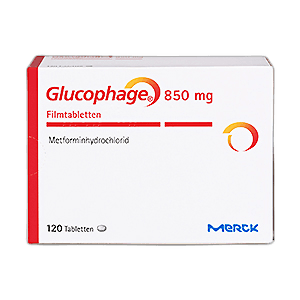
Glucophage®
Metformin (Metforminhydrochlorid)

Jardiance
Empagliflozin

Metformin
Metformin (Metforminhydrochlorid)

Metformin Lich®
Metformin (Metforminhydrochlorid)
Prevention
This section provides guidance on prevention and reducing risk factors.
Type 2 diabetes can often be prevented or significantly delayed:
- Maintaining normal weight or reducing waist circumference
- 150 minutes of exercise per week (e.g., brisk walking) plus strength training
- Balanced diet, fewer sugary beverages
- Regular check-ups when risk factors are present
Early measures have the greatest effect.

Why deinrezept.de?
Licensed doctors
Your information is reviewed by licensed doctors.
Data protection
Your data is SSL-encrypted and processed in compliance with GDPR.
Medically reviewed
All content is regularly reviewed and updated by medical specialists.
FAQ
Here you will find answers to frequently asked questions on this topic.
For some people, so-called remission is possible -- particularly through weight reduction and lifestyle changes. This should be medically supervised.
This depends on HbA1c, symptoms, and risk profile. Treatment often starts with lifestyle changes and/or metformin -- modern medications are added depending on the situation.
Regular HbA1c monitoring, blood pressure, kidney values, blood lipids, foot checks, and eye examinations help detect complications early.
Yes, follow-up checks, therapy adjustments, and discussion of laboratory values are possible online after medical review.
Would you like a medical assessment?
Fill out the medical questionnaire. A licensed doctor will review your information and recommend a suitable therapy if appropriate.
Important notice
This content is for general information only. In case of severe pain, shortness of breath, impaired consciousness, fever > 39°C or rapidly worsening symptoms, please seek immediate medical help (Emergency 112).
Related treatments
More treatments from the General Medicine area that might interest you.
Asthma
We check symptoms and possible warning signs so the next step can be safely determined.
Medical Cannabis
Brief check of symptoms, pre-existing conditions and previous therapies for medical assessment.
Hay Fever
A short questionnaire helps to capture symptoms, triggers and previous treatment.
Smoking Cessation
Brief check of consumption, motivation and circumstances – for suitable options.