
What is Isotretinoin?
Isotretinoin is a vitamin A derivative (retinoid) that is taken in capsule form. Originally known under the brand name Roaccutan®, it is now available as a generic.
Isotretinoin is used for severe, scarring, or treatment-resistant acne when other treatments have failed. A typical course of treatment lasts 4-6 months and leads to lasting improvement or cure in most patients.
Because of the risk of birth defects, strict pregnancy prevention is required for women.
Active Ingredients & Mechanism of Action
Active ingredient: Isotretinoin
Isotretinoin acts on all the factors involved in the development of acne:
1. Sebum production:
- Reduces the size and activity of the sebaceous glands
- Sebum production decreases by up to 90%
- This effect often lasts permanently
2. Keratinization disorder:
- Normalizes keratinization in the follicles
- Prevents clogging of the pores
- Comedones (blackheads) are reduced
3. Bacteria:
- Indirectly antibacterial due to less sebum
- P. acnes finds less of a breeding ground
- Reduced colonization of the follicles
4. Inflammation:
- Anti-inflammatory effect
- Reduces redness and swelling
- Prevents scarring
Who is it suitable for?
Isotretinoin is suitable for:
- Severe nodular/cystic acne
- Treatment-resistant moderate acne
- Acne with a high risk of scarring
- Acne causing severe psychological distress
- Acne that does not respond to antibiotics
Strict requirements:
- Women: reliable contraception (at least one highly reliable user-independent method or two complementary user-dependent methods), monthly pregnancy tests
- Everyone: regular blood tests and liver enzyme checks
- Informed consent after counseling
Not suitable in cases of:
- Pregnancy (absolutely contraindicated)
- Breastfeeding
- Severe liver disease
- Very high blood lipids
Available Dosages
Standard dosage:
- Start: 0.5 mg/kg/day
- Increase to: 0.5-1 mg/kg/day
- Typical: 40-80 mg/day in adults
Cumulative total dose:
- Target: 120-150 mg/kg over the entire course of treatment
- At 70 kg: about 8,400-10,500 mg in total
- Corresponds to 4-6 months of treatment
Low-dose long-term therapy:
- Alternatively: 10-20 mg/day over a longer period
- For patients with severe side effects
Available strengths:
- Capsules: 10 mg, 20 mg, 40 mg
How to Take
How to take it:
- Take with a meal (containing fat for better absorption)
- Swallow capsules whole, do not chew
- Always at about the same time of day
- For doses >40 mg: split into two doses
During treatment:
- No blood donation (until 1 month after the end of treatment)
- No waxing
- Consistent sun protection (SPF 30+)
- No vitamin A supplements
- Drink plenty of water
- Lip care and moisturizer
Follow-up tests:
- Before treatment: liver enzymes, blood lipids, pregnancy test
- Monthly: pregnancy test (women)
- Regularly: liver enzymes, blood lipids (every 1-2 months)
Contraindications
Isotretinoin must NOT be used in cases of:
- Pregnancy (absolutely contraindicated – severe birth defects!)
- Breastfeeding
- Women without reliable contraception
- Severe hepatic insufficiency
- Very high blood lipids (hypertriglyceridemia)
- Hypervitaminosis A
- Concurrent tetracycline therapy
Pregnancy prevention program:
- At least one highly reliable user-independent contraceptive method or two complementary user-dependent methods (e.g., pill + condom)
- Start 1 month before therapy
- Until 1 month after the end of therapy
- Monthly pregnancy tests
- No pregnancy during therapy + 1 month afterward
Caution in cases of:
- Depression or mental illness
- Diabetes mellitus
- Contact lens wearers (dryness)
Possible Side Effects
Very common (>10%):
- Dry skin and lips (practically all patients)
- Nosebleeds, dry nose
- Dry eyes, contact lens intolerance
- Joint pain, muscle pain
- Elevated liver enzymes
- Elevated blood lipids
Common (1-10%):
- Skin sensitivity
- Tendency to sunburn
- Hair loss (reversible)
- Headache
- Fatigue
Psychological side effects:
- Mood changes, depression (rare, but be aware)
- If there are any signs, inform a doctor immediately!
Rare but serious:
- Pseudotumor cerebri (severe headache, visual disturbances)
- Inflammatory bowel disease
- Severe skin reactions
Long-term effects: Most side effects disappear after the end of therapy.
Interactions
Contraindicated:
- Tetracyclines (doxycycline, minocycline) – increased risk of pseudotumor cerebri
- Vitamin A – hypervitaminosis
- Other retinoids
Caution with:
- Methotrexate – increased liver toxicity
- St. John's wort – can make contraceptives ineffective
- Alcohol – greater increase in liver enzymes
Hormonal contraception: Low-dose progestin pills may be less reliable. Combination pills or an additional barrier method are recommended.
Frequently Asked Questions
In 70-80% of patients, a complete course of treatment leads to a lasting cure or significant improvement. Some need a second course. The sebaceous glands remain permanently smaller.
Isotretinoin can raise liver enzymes and blood lipids. Regular checks ensure that the treatment is safe. For women, monthly pregnancy tests are mandatory because of the risk of birth defects.
Acne often gets worse in the first 2-4 weeks (initial flare-up). After that, improvement begins. The full effect becomes apparent after 3-4 months.
Dry lips are almost unavoidable. Use a rich lip balm (e.g., with petroleum jelly or dexpanthenol) several times a day. This is a sign that the medication is working.
During treatment with isotretinoin, depression, worsening of depression, anxiety, aggressiveness, mood swings, psychotic symptoms and, in very rare cases, suicidal thoughts, suicide attempts and suicides have been reported. At the same time, clearing up the acne can improve mental health. If there are signs of depression, see a doctor immediately.
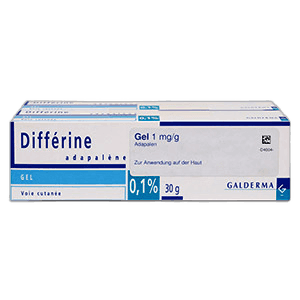
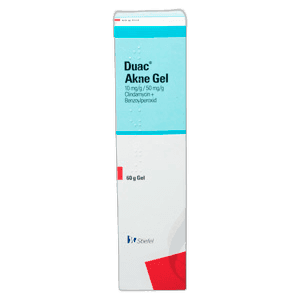
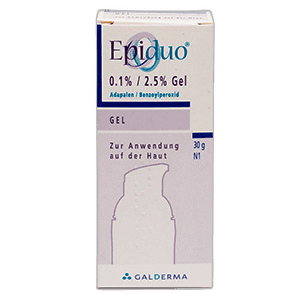
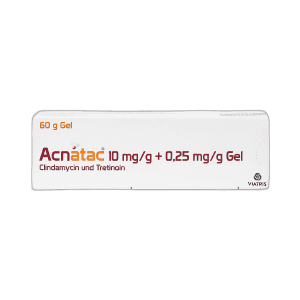
Similar Medications
Is Isotretinoin right for you?
A licensed doctor will review your information and issue a prescription if suitable. Discreet and secure.
Important Notice
This information does not replace medical advice. If you have questions about your health or the suitability of this medication, please consult a doctor or pharmacist.
Important Safety Information
This service operates under German pharmaceutical law (HWG). For risks and side effects, read the package leaflet and consult your doctor or pharmacist. All medications are dispensed from a licensed pharmacy in Germany.