



Overview
Elevated cholesterol levels affect a great many people -- often without noticeable symptoms. Nevertheless, they are an important risk factor for cardiovascular disease because cholesterol can deposit in blood vessels and promote atherosclerosis.
Particularly relevant is so-called LDL cholesterol ("bad" cholesterol). The higher the LDL and the more additional risk factors present (e.g., high blood pressure, diabetes, smoking), the more important consistent treatment becomes.
An individual risk assessment and therapy planning can be carried out as part of a medical consultation -- also available online.
What is it?
Cholesterol is a fat-like substance that the body needs for cell membranes and hormone production, among other things. It is partly absorbed through food but is predominantly produced in the liver.
In the blood, cholesterol is bound to transport proteins:
- LDL transports cholesterol into tissues and can promote deposits
- HDL transports cholesterol back to the liver
Elevated LDL levels increase the risk of vascular calcification (atherosclerosis) and thus of heart attack, stroke, and circulatory disorders.
Your treatment starts here
Fill out the medical questionnaire – a licensed doctor will review your information and issue a prescription if appropriate.
Causes
Elevated cholesterol levels result from lifestyle, genetic factors, or both.
Diet & lifestyle:
- High proportion of saturated fatty acids and trans fats
- Overweight, lack of physical activity
- Alcohol (indirectly through triglycerides)
Genetic factors:
- Familial hypercholesterolemia can cause very high LDL levels even at a young age.
Secondary causes:
- Hypothyroidism
- Diabetes
- Kidney disease
- Certain medications
Symptoms
High cholesterol usually causes no symptoms.
Possible indicators (rare, mainly genetic):
- Tendon xanthomas (fat deposits)
- Fat deposits on the eyelids (xanthelasma)
Consequences develop over the long term through atherosclerosis, e.g., chest pain (angina), stroke symptoms, or pain when walking (peripheral artery disease).
Warning signs such as chest pain, paralysis, or speech difficulties are emergencies and must be evaluated immediately.

Ready for the next step?
Start your online consultation now – discreet, secure and supervised by licensed doctors.
Diagnosis
Diagnosis is made through a blood test:
- Total cholesterol
- LDL, HDL
- Triglycerides
Important is the risk assessment: depending on cardiovascular risk, different target values apply. Factors such as age, blood pressure, smoking, diabetes, and pre-existing conditions are considered.
As part of an online consultation, laboratory values can be interpreted and a therapy plan including target values created.
Treatment
Treatment depends on individual risk and LDL target values.
Lifestyle:
- Mediterranean diet, more unsaturated fats
- More fiber (e.g., oats, legumes)
- Weight reduction and regular exercise
Medications:
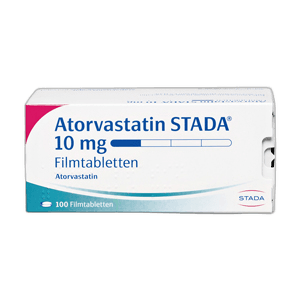
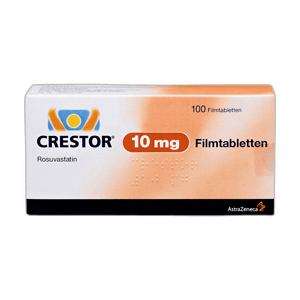
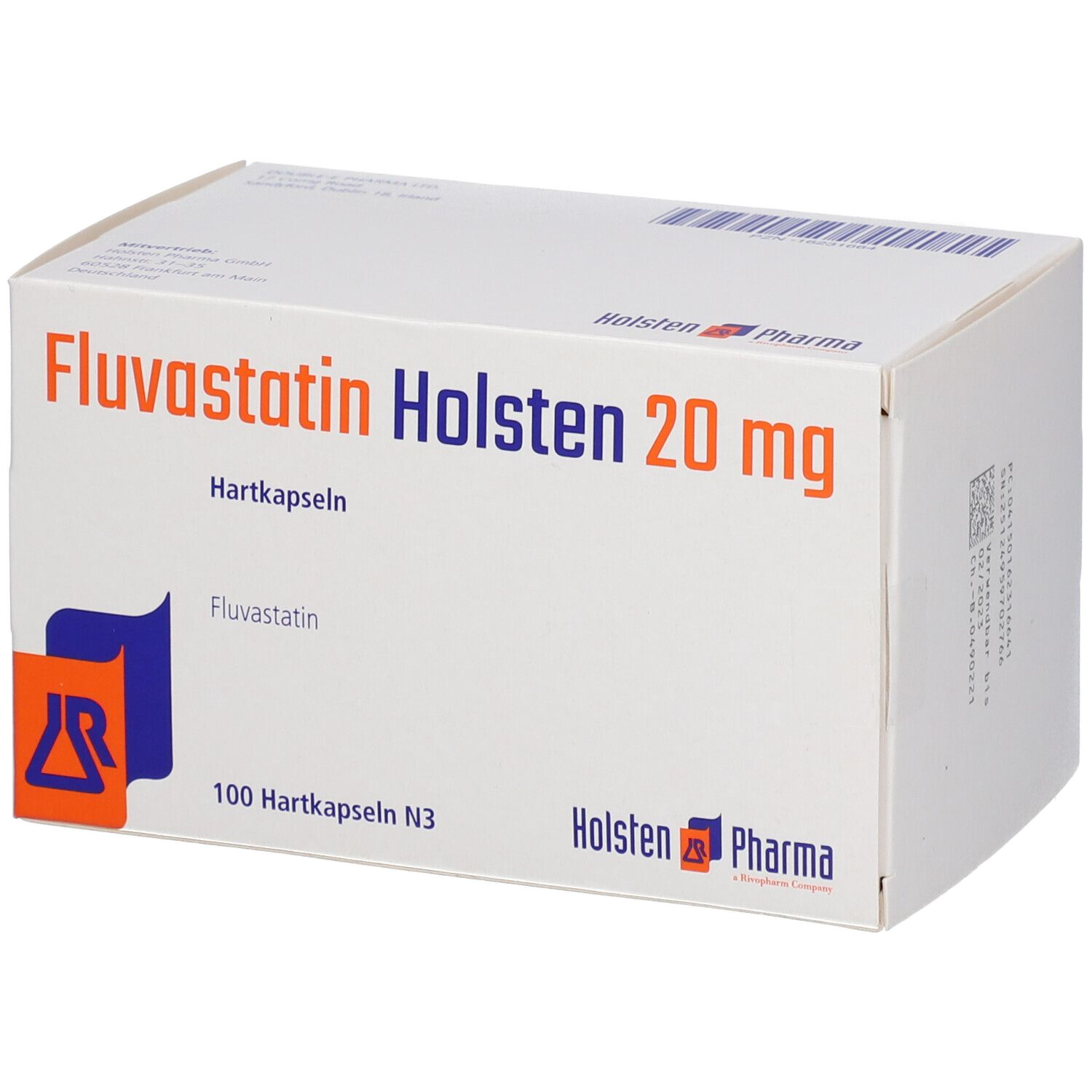
- Statins (e.g., atorvastatin, simvastatin): prescription-only medications; possible side effects: muscle pain, rarely elevated liver enzymes
- Ezetimibe: reduces cholesterol absorption in the intestine, often added to a statin
- For very high risk, additional options may be considered (medical decision)
Important contraindications and interactions depend on the specific preparation and should be medically reviewed (e.g., pregnancy with statins).
Available medications
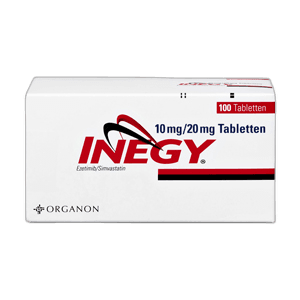
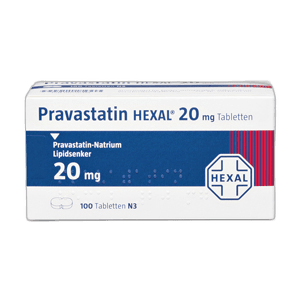
Various prescription medications are available for treatment. Click on a medication to learn more about its effects, dosage and side effects.
Prevention
Prevention is effective:
- Balanced diet with few trans fats
- Regular exercise
- Smoking cessation
- Regular blood tests, especially with family history
Early treatment can significantly reduce cardiovascular events.

Why deinrezept.de?
Licensed doctors
Your information is reviewed by licensed doctors.
Data protection
Your data is SSL-encrypted and processed in compliance with GDPR.
Medically reviewed
All content is regularly reviewed and updated by medical specialists.
FAQ
This depends on LDL values and your overall risk. At high risk, medication is often advisable because it significantly reduces the risk of heart attack/stroke.
Statins are very well researched and safe for many people. Side effects are possible but often manageable -- medical monitoring is important.
For mild elevations, sometimes yes. With genetically high LDL or high cardiovascular risk, diet alone is often not enough.
Yes, laboratory values can be evaluated online and therapy as well as follow-up monitoring planned.
Would you like a medical assessment?
Fill out the medical questionnaire. A licensed doctor will review your information and recommend a suitable therapy if appropriate.
Important notice
This content is for general information only. In case of severe pain, shortness of breath, impaired consciousness, fever > 39°C or rapidly worsening symptoms, please seek immediate medical help (Emergency 112).
Related treatments
Further treatments on related topics.
High Blood Pressure
A brief check of readings, pre-existing conditions and medication helps with assessment.
Type 2 Diabetes
Brief check of progression, therapy and comorbidities to assess options.
Obesity
A brief check of goals, progression and prerequisites helps with medical assessment.
Smoking Cessation
Brief check of consumption, motivation and circumstances – for suitable options.