
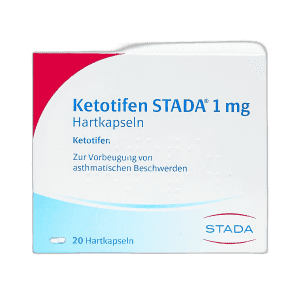
What is Ketotifen?
Ketotifen is a first-generation antihistamine with a dual action: it blocks H1 histamine receptors and at the same time stabilizes mast cells, so that less histamine is released. This means it works not only symptomatically but also preventively.
Ketotifen is used orally as tablets or syrup and topically as eye drops. The eye drops (e.g., Zaditen® ophtha) can be used for allergic conjunctivitis (inflammation of the conjunctiva) both acutely and prophylactically.
The oral form is used for allergic asthma, allergic rhinitis and allergic skin conditions. The dose of ketotifen is increased slowly, and it takes a few weeks to develop its full mast cell-stabilizing effect.
Active Ingredients & Mechanism of Action
Active ingredient: Ketotifenfumarat
Ketotifen has a dual action:
1. Antihistamine action:
- Blockade of H1 histamine receptors
- Relief of itching, sneezing, watery eyes
- Acts on the eyes, nose and skin
2. Mast cell stabilization:
- Inhibits the degranulation of mast cells
- Less histamine and fewer other inflammatory mediators are released
- Preventive effect with regular use
- With oral intake, the full effect only sets in after 8–12 weeks
Other properties:
- Inhibits phosphodiesterase (anti-inflammatory)
- Reduces eosinophil activation
- Has a bronchodilating effect in allergic asthma
Onset of action:
- Antihistamine action: Within 1–2 hours
- Full effect: After 8–12 weeks of regular intake
Who is it suitable for?
Ketotifen is suitable for:
Oral:
- Prophylaxis and treatment of allergic conditions
- Allergic bronchial asthma (prophylactic)
- Allergic rhinitis and conjunctivitis
- Allergic skin conditions
Eye drops:
- Allergic conjunctivitis (inflammation of the conjunctiva)
- Seasonal and perennial eye symptoms
- Adults and children aged 3 years and older
Particularly recommended for:
- Patients who have both eye and nose symptoms
- Prophylactic treatment before the pollen season
- Allergic asthma as add-on therapy
Not suitable:
- Oral form: Not first choice due to sedation
- Not for the acute treatment of asthma attacks
Available Dosages
Oral – adults:
- Starting dose: 1 mg in the evening (increase the dose slowly)
- Maintenance dose: 1 mg in the morning and 1 mg in the evening
- Maximum dose: 2 mg twice daily
Oral – children (6 months to 3 years):
- 0.5 mg (0.25 ml syrup) twice daily
Eye drops (Zaditen® ophtha):
- 1 drop twice daily in each affected eye
- Morning and evening
Available dosage forms:
- 1 mg capsules / tablets
- 1 mg/5 ml syrup
- 0.25 mg/ml eye drops
Duration of use:
- Oral: At least 2–3 months for the full effect
- Eye drops: Throughout the entire allergy season
Dosage form and pack sizes
The medicines catalogue lists one pack variant: one strength in one pack size.
- Dosage form
- Augentropfen
- Strengths
- 0,25 mg/ml
- Pack sizes
- 5 ml
| Strength | Pack | PZN |
|---|---|---|
| 0,25 mg/ml | 5 ml | 01478258 |
Packs listed in the German medicines catalogue. Which of them are currently available and what they cost is shown in the price overview.
The Pharmazentralnummer (PZN) is the nationwide unique identifier of a pack in Germany.
How to Take
Oral intake:
- Start in the evening (because of tiredness in the initial phase)
- Increase slowly to the full dose over 1–2 weeks
- With or without food
- Do not stop suddenly (taper off slowly)
Eye drops:
- Wash your hands before use
- Remove contact lenses beforehand (wait 15 minutes after instilling)
- Put the drop into the conjunctival sac
- Keep the eye closed briefly
- Gently press on the tear duct opening for 1 minute
Important notes:
- The oral form causes tiredness, especially at the start – begin taking it in the evening
- Full effect with oral intake only after 8–12 weeks
- Not suitable for the acute treatment of asthma attacks
- Do not stop your existing asthma medication
Contraindications
Ketotifen must not be taken in cases of:
- Hypersensitivity to ketotifen or any of the other ingredients
- Acute asthma attack (oral – not effective in an acute attack)
Caution in cases of:
- Epilepsy (oral – ketotifen can lower the seizure threshold)
- Concomitant use of antidiabetic drugs (the oral form can cause thrombocytopenia-like conditions)
- Impaired liver or kidney function
Pregnancy and breastfeeding: There are insufficient data for the oral form. Eye drops: Low systemic absorption, but consulting a doctor is still recommended. Ketotifen passes into breast milk.
Eye drops:
- The preservative can discolor contact lenses
- Do not use for eye infections without a medical evaluation
Possible Side Effects
Oral – common (1–10%):
- Tiredness and sedation (especially at the start, often subsides after 1–2 weeks)
- Dry mouth
- Dizziness
- Weight gain (with long-term use)
- Increased appetite
Oral – uncommon:
- Headache
- Nausea
- Nervousness (in children)
- Sleep disturbances
Eye drops – common:
- Mild burning on instillation
- Eye irritation
- Blurred vision (temporary)
Eye drops – uncommon:
- Redness of the conjunctiva
- Dry eyes
- Headache
Note: Tiredness with oral use is the main drawback of ketotifen. In most patients it subsides after 1–2 weeks.
Interactions
Oral intake:
- Alcohol and CNS depressants: Increased sedation
- Oral antidiabetic drugs: Possible reversible thrombocytopenia (rare)
- Antihistamines: Additive effect
- Sedatives, sleeping pills: Increased sedation
Eye drops:
- Hardly any systemic interactions due to low absorption
- Other eye drops: Wait 5 minutes between them
Note: With oral intake, the sedative effect in combination with alcohol or other sedating medications is particularly relevant. With the eye drops, clinically relevant interactions are rare.
Frequently Asked Questions
The eye drops act locally on the eye and have hardly any systemic side effects – in particular, no tiredness. The tablets act systemically against allergy symptoms of the nose, eyes and skin, but cause tiredness and weight gain more often.
The oral form of ketotifen often causes tiredness at first. By increasing the dose slowly (starting with 1 mg in the evening), the body can get used to the effect. After 1–2 weeks, the drowsiness subsides in most patients.
Ketotifen has a mast cell-stabilizing effect that can help preventively in allergic asthma. However, it does not replace reliever medication (salbutamol) or maintenance therapy (inhaled corticosteroid). It is used as an add-on therapy.
Similar Medications
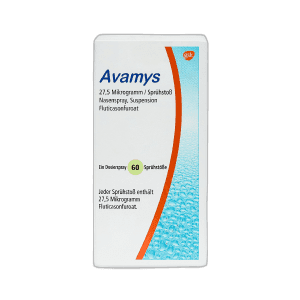
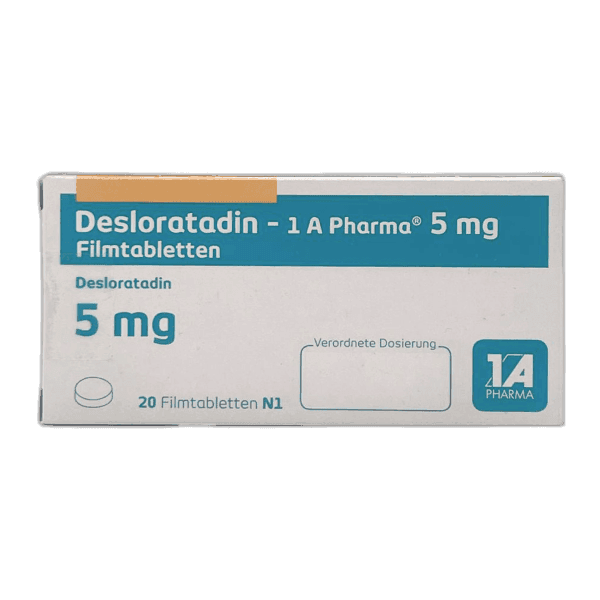
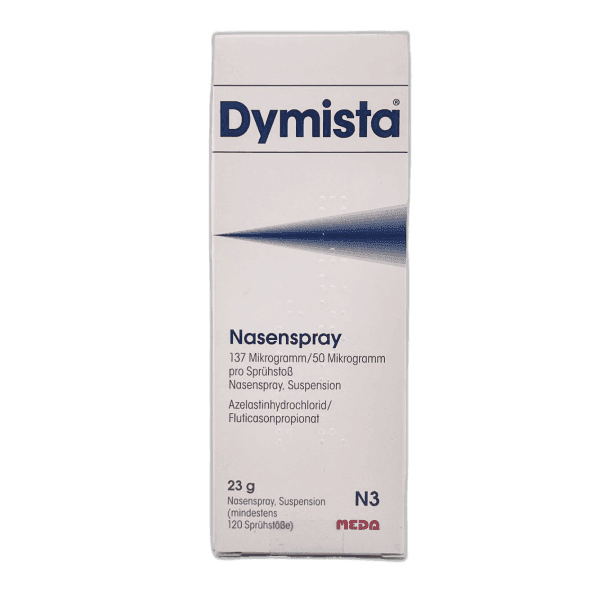
Is Ketotifen right for you?
A licensed doctor will review your information and issue a prescription if suitable. Discreet and secure.
Important Notice
This information does not replace medical advice. If you have questions about your health or the suitability of this medication, please consult a doctor or pharmacist.
Important Safety Information
This service operates under German pharmaceutical law (HWG). For risks and side effects, read the package leaflet and consult your doctor or pharmacist. All medications are dispensed from a licensed pharmacy in Germany.