
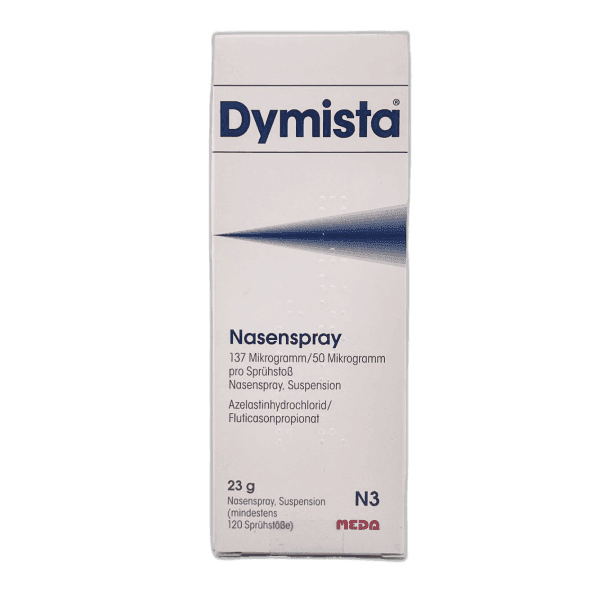
What is Dymista® Nasal Spray?
Dymista® is an innovative combination nasal spray that brings together two well-established active ingredients in one product: azelastine (a topical antihistamine) and fluticasone propionate (a nasal corticosteroid).
In clinical studies, Dymista® was significantly more effective than fluticasone nasal spray or azelastine nasal spray used alone. It relieves both nasal congestion (through the corticosteroid) and sneezing, itching, and runny nose (through the antihistamine).
Dymista® is recommended for moderate to severe allergic rhinitis when a nasal corticosteroid or an antihistamine alone is not sufficient.
Active Ingredients & Mechanism of Action
Active ingredient: Azelastinhydrochlorid / Fluticasonpropionat
Dymista® combines two different mechanisms of action:
1. Azelastine (antihistamine):
- Blocks H1 histamine receptors locally in the nasal mucosa
- Rapid onset of action (within 15 minutes)
- Additionally inhibits the release of inflammatory mediators
- Also works in non-allergic rhinitis
2. Fluticasone propionate (corticosteroid):
- Strong anti-inflammatory effect in the nasal mucosa
- Reduces swelling of the mucosa (decongestion)
- Inhibits eosinophil infiltration
- Full effect after a few days of regular use
Synergistic effect:
- The combination works faster than fluticasone alone
- Stronger overall effect than either individual component
- Azelastine speeds up the onset of action of fluticasone
- Superior symptom control compared with monotherapy in studies
Who is it suitable for?
Dymista® is suitable for:
- Adults and adolescents aged 12 years and older
- Moderate to severe allergic rhinitis
- When a nasal corticosteroid or antihistamine alone is not sufficient
- Seasonal and perennial allergic rhinitis
Especially recommended for:
- Severe hay fever symptoms with nasal congestion AND sneezing/itching
- Patients who do not respond adequately to monotherapy
- When both a rapid and a long-lasting effect are desired
- Allergy to several types of pollen (longer season)
Not suitable:
- Children under 12 years of age
- Hypersensitivity to azelastine or fluticasone
- Acute sinus infection without medical treatment
Available Dosages
Adults and adolescents aged 12 years and older:
- 1 spray per nostril twice daily (morning and evening)
Per spray:
- 137 µg azelastine hydrochloride
- 50 µg fluticasone propionate
Total daily dose:
- 548 µg azelastine hydrochloride + 200 µg fluticasone propionate
Available pack size:
- 23 ml nasal spray (approx. 120 sprays)
Duration of use:
- Throughout the entire pollen season or as needed
- Regular use for optimal effect
- Long-term use: medical monitoring recommended
Dosage form and pack sizes
The medicines catalogue lists one pack variant: one strength in one pack size.
- Dosage form
- Nasenspray
- Strengths
- 137/50 µg
- Pack sizes
- 120 Sprühstöße
| Strength | Pack | PZN | Duration |
|---|---|---|---|
| 137/50 µg | 120 Sprühstöße | 02834904 | 30 days |
Packs listed in the German medicines catalogue. Which of them are currently available and what they cost is shown in the price overview.
The Pharmazentralnummer (PZN) is the nationwide unique identifier of a pack in Germany.
Duration is the catalogue value for the usual dosage. How long a pack actually lasts depends on the dose your doctor prescribes.
How to Take
How to use:
- Gently blow your nose
- Shake the bottle vigorously (at least 5 seconds)
- Insert the nozzle into one nostril, pointing slightly away from the nasal septum
- Breathe in gently while spraying
- Repeat for the other nostril
- Do not blow your nose directly after use
Important notes:
- Use twice daily (morning and evening)
- Before first use: pump 6 times until an even mist appears
- If not used for > 7 days: pump 1 time until a mist appears
- Clean the spray tip regularly with warm water
- Do not spray into the eyes
Taste: Azelastine can cause a bitter taste if the spray gets into the throat. Tilt your head slightly forward when spraying.
Contraindications
Dymista® must not be used in cases of:
- Hypersensitivity to azelastine, fluticasone, or any of the other ingredients
Caution in cases of:
- Severe hepatic impairment
- Concomitant therapy with ritonavir or strong CYP3A4 inhibitors
- Active tuberculosis
- Systemic fungal infections
- Nasal septal ulcers or nasal surgery
- Glaucoma (intraocular pressure)
- Cataract (clouding of the lens)
- Children and adolescents (growth monitoring)
Pregnancy and breastfeeding: Insufficient data for the combination. Should only be used after a strict benefit-risk assessment. Systemic absorption is low.
Possible Side Effects
Very common (10% or more):
- Nosebleeds (epistaxis)
Common (1–10%):
- Bitter taste (due to azelastine, if the spray runs into the throat)
- Headache
- Unpleasant smell
Uncommon (0.1–1%):
- Nasal irritation or dryness
- Sneezing directly after use
Very rare:
- Nasal septum perforation (with long-term use, very rare)
- Hypersensitivity reactions
- Somnolence (drowsiness due to azelastine)
- Nausea
Note: The bitter taste is the most common reason for stopping treatment. It can be minimized by correct application technique (head slightly forward, do not breathe in too strongly).
Interactions
Caution with:
- Ritonavir and strong CYP3A4 inhibitors (increased systemic fluticasone exposure)
- Other nasal corticosteroids (additive cortisol suppression)
- CNS depressants (theoretical enhancement of azelastine sedation)
- Alcohol (slight enhancement of the sedative effect of azelastine possible)
No relevant interaction with:
- Oral antihistamines (but usually not necessary in combination with Dymista®)
- Oral cortisone preparations
- Antibiotics
Note: Systemic absorption of both active ingredients from Dymista® is low, so systemic interactions are unlikely.
Frequently Asked Questions
The bitter taste comes from the azelastine component of the spray. It occurs when the spray gets into the throat. Tip: Tilt your head slightly forward, breathe in only gently, and do not blow your nose directly after use.
Studies show that Dymista® is significantly more effective than fluticasone or azelastine alone for moderate to severe allergy symptoms. It works faster (within 15 minutes).
Dymista® already contains an antihistamine (azelastine). In most cases, no additional oral antihistamine tablet is needed. However, if you have severe eye symptoms, an oral antihistamine may be a useful addition.
Similar Medications
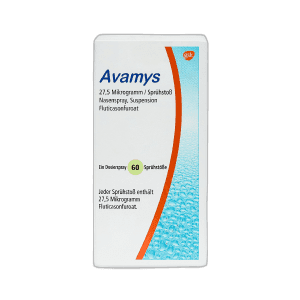
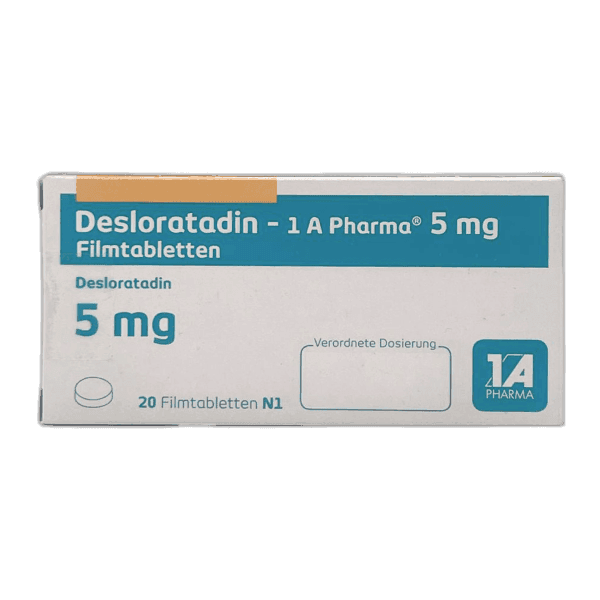
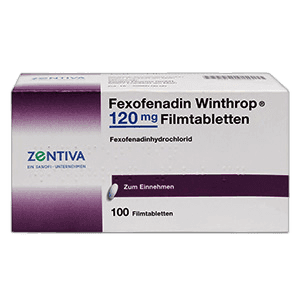
Is Dymista® Nasal Spray right for you?
A licensed doctor will review your information and issue a prescription if suitable. Discreet and secure.
Important Notice
This information does not replace medical advice. If you have questions about your health or the suitability of this medication, please consult a doctor or pharmacist.
Important Safety Information
This service operates under German pharmaceutical law (HWG). For risks and side effects, read the package leaflet and consult your doctor or pharmacist. All medications are dispensed from a licensed pharmacy in Germany.