
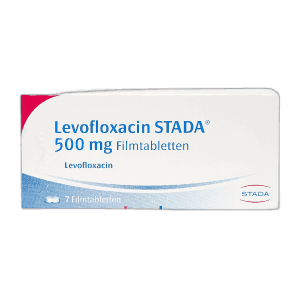
What is Levofloxacin?
Levofloxacin is a broad-spectrum fluoroquinolone antibiotic. It is used for severe bacterial infections, including complicated urinary tract infections and kidney infections.
Important note: Due to the risk of serious side effects (tendons, nerves, mental health), the EMA and the BfArM have restricted the use of fluoroquinolones for uncomplicated infections. Levofloxacin should only be used for severe infections when no suitable alternatives are available.
Active Ingredients & Mechanism of Action
Active ingredient: Levofloxacin
Mechanism of action:
- Inhibits bacterial DNA gyrase (topoisomerase II) and topoisomerase IV
- Prevents bacterial DNA replication and transcription
- Bactericidal effect (kills bacteria)
Spectrum of activity:
- Very broad spectrum against gram-positive and gram-negative pathogens
- Also atypical pathogens (mycoplasma, chlamydia, legionella)
- Good tissue penetration (kidney, prostate, lung)
Pharmacokinetics:
- High oral bioavailability (~99%)
- Once-daily dosing is sufficient
- Excreted via the kidneys (good urinary tract concentrations)
Who is it suitable for?
Levofloxacin is suitable for:
- Complicated urinary tract infections including pyelonephritis
- Complicated prostatitis
- Severe infections when other antibiotics are not suitable
NOT suitable for:
- Uncomplicated bladder infection, unless other commonly recommended antibiotics are unsuitable (Rote-Hand-Brief!)
- Mild to moderately severe infections for which alternatives are available
- Children and adolescents (cartilage damage)
- Pregnancy and breastfeeding
- History of tendon disorders while taking fluoroquinolones
Available Dosages
Urinary tract infections:
- Uncomplicated (only if there is no alternative): 250 mg once daily for 3 days
- Complicated incl. pyelonephritis: 500 mg once daily for 7–14 days
Available strengths:
- 250 mg, 500 mg film-coated tablets
Dose adjustment in renal insufficiency (with 500 mg once daily):
- GFR 20–49 ml/min: 250 mg every 24 hours (after the initial dose)
- GFR 10–19 ml/min: 125 mg every 24 hours
Dosage form and pack sizes
The medicines catalogue lists 2 pack variants: 2 strengths in one pack size.
- Dosage form
- Filmtablette
- Strengths
- 250 mg, 500 mg
- Pack sizes
- 10 units
| Strength | Pack | PZN | Duration |
|---|---|---|---|
| 250 mg | 10 units | 06122448 | 0 days |
| 500 mg | 10 units | 06122394 | 0 days |
Packs listed in the German medicines catalogue. Which of them are currently available and what they cost is shown in the price overview.
The Pharmazentralnummer (PZN) is the nationwide unique identifier of a pack in Germany.
Duration is the catalogue value for the usual dosage. How long a pack actually lasts depends on the dose your doctor prescribes.
How to Take
How to take:
- Once daily, regardless of meals
- With sufficient water (at least 1 glass)
- At least 2 hours apart from: antacids, iron supplements, zinc, magnesium, dairy products
Important notes:
- Avoid sun and UV radiation (phototoxicity!)
- If tendon pain occurs, stop taking it immediately and contact a doctor
- Drink sufficient fluids
- Complete the full course of antibiotics
Contraindications
Levofloxacin must not be taken in cases of:
- Hypersensitivity to fluoroquinolones
- Tendon disorder after previous fluoroquinolone therapy
- Epilepsy (lowering of the seizure threshold)
- Pregnancy and breastfeeding
- Children and adolescents under 18 years of age
Caution in:
- Elderly patients (increased risk of tendon rupture)
- Renal insufficiency (dose adjustment)
- G6PD deficiency (risk of hemolysis)
- QT interval prolongation or medications that prolong the QT interval
- Myasthenia gravis (worsening possible)
- Diabetes (blood sugar dysregulation possible)
Tendon warning: Fluoroquinolones can cause tendon inflammation and tendon ruptures, particularly of the Achilles tendon. The risk increases with concomitant corticosteroid therapy and in older people.
Possible Side Effects
Common (1–10%):
- Nausea, diarrhea
- Headache, dizziness
- Sleep disturbances
- Elevated liver enzymes
Uncommon (0.1–1%):
- Skin rash, phototoxicity
- Fungal infections
- Anxiety, confusion
- Muscle and joint pain
Rare but serious (Rote-Hand-Brief):
- Tendinitis
- Tendon rupture (especially of the Achilles tendon)
- Peripheral neuropathy (tingling, numbness)
- Psychiatric disorders (depression, suicidal thoughts, psychosis)
- Aortic aneurysm/dissection
- QT interval prolongation
- Hypoglycemia, up to and including coma
FQAD (fluoroquinolone-associated disability): In rare cases, side effects affecting the tendons, nerves, and mental health can be long-lasting.
Frequently Asked Questions
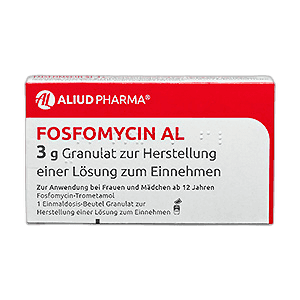
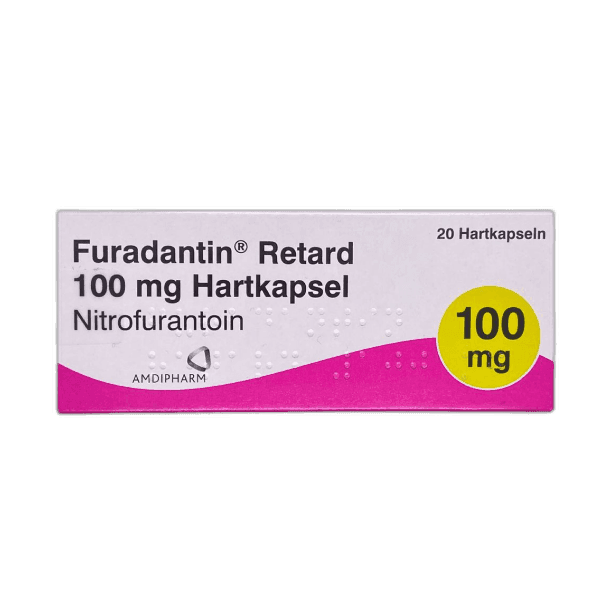
In 2019, the EMA restricted the indications for fluoroquinolones because they can cause serious and sometimes long-lasting side effects affecting the tendons, nerves, and mental health. For uncomplicated bladder infections, there are safer alternatives (e.g., fosfomycin, nitrofurantoin).
Stop taking levofloxacin immediately and contact your doctor. Rest the affected tendon and avoid sports until the symptoms have been clarified. A tendon rupture must be prevented.
Calcium, magnesium, iron, and aluminum form insoluble complexes with levofloxacin in the intestine that are not absorbed. Keep at least 2 hours apart from dairy products, antacids, and mineral supplements.
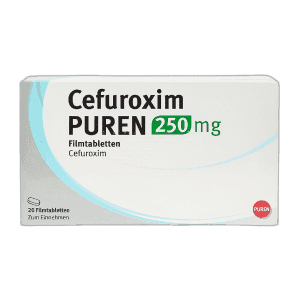
Similar Medications
Is Levofloxacin right for you?
A licensed doctor will review your information and issue a prescription if suitable. Discreet and secure.
Important Notice
This information does not replace medical advice. If you have questions about your health or the suitability of this medication, please consult a doctor or pharmacist.
Important Safety Information
This service operates under German pharmaceutical law (HWG). For risks and side effects, read the package leaflet and consult your doctor or pharmacist. All medications are dispensed from a licensed pharmacy in Germany.