
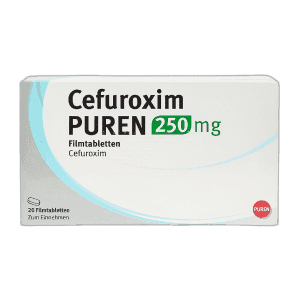
What is Cefuroxime?
Cefuroxime is a broad-spectrum antibiotic from the cephalosporin group (2nd generation). It is used for various bacterial infections, including urinary tract infections (bladder infection, kidney infection), respiratory tract infections, and skin infections.
The oral form used is cefuroxime axetil, which is converted in the body into active cefuroxime. It is available as a generic from numerous manufacturers and is generally used as a reserve medication for urinary tract infections when first-line therapies are not an option.
Active Ingredients & Mechanism of Action
Active ingredient: Cefuroxim (als Cefuroximaxetil)
Mechanism of action:
- Cefuroxime inhibits bacterial cell wall synthesis
- Binds to penicillin-binding proteins (PBPs)
- Prevents cross-linking of peptidoglycan
- The bacterial cell can no longer divide and dies
Spectrum of activity:
- Gram-positive pathogens: staphylococci, streptococci
- Gram-negative pathogens: E. coli, Klebsiella, Proteus, Haemophilus
- Stable against many beta-lactamases
Resistance situation: Resistance rates of E. coli to cephalosporins are rising. Cefuroxime is therefore not the first choice for uncomplicated bladder infections, but a reserve option.
Who is it suitable for?
Cefuroxime is suitable for:
- Urinary tract infections (lower and upper)
- Complicated bladder infections
- When first-line antibiotics are unsuitable or ineffective
- Respiratory tract infections, skin infections, Lyme disease
Not suitable:
- If you have a known allergy to cephalosporins or a severe penicillin allergy (cross-allergy possible)
- For infections with confirmed cefuroxime resistance
Available Dosages
Bladder infection/urinary tract infection:
- 250 mg twice daily for 5–7 days (uncomplicated)
- 500 mg twice daily for 7–14 days (complicated)
Other infections:
- 250–500 mg twice daily, depending on severity
Available strengths:
- 250 mg, 500 mg film-coated tablets
- Oral suspension for children available
Dose adjustment:
- In impaired kidney function (creatinine clearance 10 to 29 ml/min): usual single dose only every 24 hours
- With creatinine clearance below 10 ml/min: usual single dose only every 48 hours
- On hemodialysis: an additional single dose at the end of each dialysis session
Dosage form and pack sizes
The medicines catalogue lists 2 pack variants: 2 strengths in 2 pack sizes. Pack sizes range from 12 to 14 units.
- Dosage form
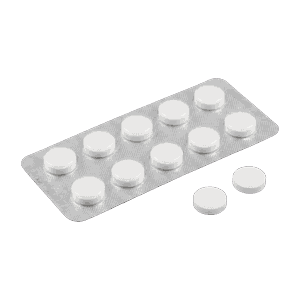
- Filmtablette
- Strengths
- 250 mg, 500 mg
- Pack sizes
- 12 units, 14 units
| Strength | Pack | PZN | Duration |
|---|---|---|---|
| 250 mg | 12 units | 00964152 | 0 days |
| 500 mg | 14 units | 04841512 | 0 days |
Packs listed in the German medicines catalogue. Which of them are currently available and what they cost is shown in the price overview.
The Pharmazentralnummer (PZN) is the nationwide unique identifier of a pack in Germany.
Duration is the catalogue value for the usual dosage. How long a pack actually lasts depends on the dose your doctor prescribes.
How to Take
How to take:
- Twice daily, morning and evening
- Take after meals (improves absorption by 40–50%)
- Swallow tablets whole with water
- Even interval of approx. 12 hours
Important notes:
- ALWAYS finish the full course of antibiotics
- Do not stop early, even if you feel better
- Drink plenty of fluids for support
- If diarrhea occurs while taking it: inform your doctor
Contraindications
Cefuroxime must not be taken in case of:
- Allergy to cephalosporins
- Severe hypersensitivity (anaphylaxis) to penicillins (risk of cross-allergy)
Caution in case of:
- Mild penicillin allergy (cross-allergy approx. 1–5%)
- Renal impairment (dose adjustment)
- Gastrointestinal disorders (increased C. difficile risk)
- Pregnancy: use possible if clinically indicated
Possible Side Effects
Common (1–10%):
- Diarrhea
- Nausea
- Abdominal pain
- Headache
- Dizziness
- Fungal infection (vaginal/oral)
- Temporarily elevated liver enzymes
- Eosinophilia (change in blood count)
Uncommon (0.1–1%):
- Skin rash, urticaria
Rare but serious:
- C. difficile-associated diarrhea (pseudomembranous colitis)
- Severe allergic reactions (anaphylaxis)
- Changes in blood count
Interactions
Interactions with other medicines:
- Medicines that reduce stomach acid: They can reduce the absorption of cefuroxime and cancel out the benefit of taking it after a meal
- Probenecid: Concomitant use is not recommended. Probenecid markedly increases the blood levels of cefuroxime and prolongs its half-life
- Blood-thinning medicines taken by mouth (oral anticoagulants): The INR value may rise
- Medicines that inhibit the movement of the bowel: They must not be used in the case of bowel inflammation caused by antibiotics (colitis)
Effect on laboratory tests:
- Cefuroxime can cause a positive Coombs test and thereby affect blood cross-matching tests
- When measuring blood sugar, ferrocyanide tests can give false negative results
Frequently Asked Questions
For uncomplicated bladder infections, guidelines prefer fosfomycin, nitrofurantoin, or pivmecillinam, as they have a narrower spectrum and promote less development of resistance. Cefuroxime, as a broad-spectrum antibiotic, is reserved for more complicated cases.
Yes, taking it after a meal significantly improves the absorption of the active ingredient (by 40–50%). Therefore, always take cefuroxime following a meal.
With a mild penicillin allergy (e.g., skin rash), the risk of cross-allergy is low (approx. 1–5%). With a severe penicillin allergy (anaphylaxis), cephalosporins should be avoided. Be sure to discuss this with your doctor.
Similar Medications
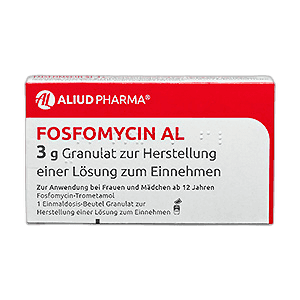
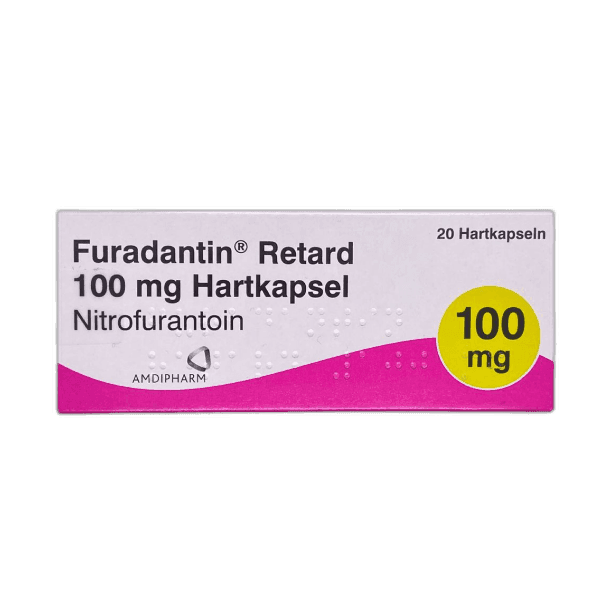
Is Cefuroxime right for you?
A licensed doctor will review your information and issue a prescription if suitable. Discreet and secure.
Important Notice
This information does not replace medical advice. If you have questions about your health or the suitability of this medication, please consult a doctor or pharmacist.
Important Safety Information
This service operates under German pharmaceutical law (HWG). For risks and side effects, read the package leaflet and consult your doctor or pharmacist. All medications are dispensed from a licensed pharmacy in Germany.