
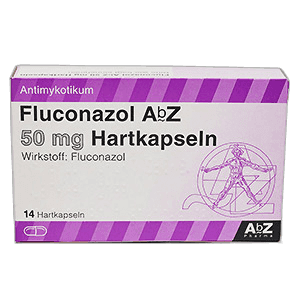
What is Fluconazole?
Fluconazole is an antimycotic (antifungal agent) from the triazole group. It is used to treat fungal infections, including vaginal yeast infections (vaginal candidiasis), thrush in the mouth, and systemic fungal infections.
For an uncomplicated vaginal yeast infection, a single 150 mg capsule is usually sufficient. The active ingredient is taken by mouth and is distributed throughout the body via the bloodstream – it also reaches the vaginal mucosa.
Well-known brand names are Diflucan® and numerous generics.
Active Ingredients & Mechanism of Action
Active ingredient: Fluconazol
Fluconazole inhibits fungal cells in a targeted way:
Mechanism of action:
- Inhibits the enzyme lanosterol 14α-demethylase
- This enzyme is required for ergosterol synthesis
- Ergosterol is an essential component of the fungal cell membrane
- Without ergosterol, the membrane becomes permeable and the fungus dies
Spectrum of activity:
- Candida albicans (most common cause of vaginal yeast infections)
- Other Candida species
- Cryptococcus
- Dermatophytes
Selectivity: Fluconazole acts more selectively on the cytochrome P450 enzymes of fungi than on those of humans.
Who is it suitable for?
Fluconazole is suitable for:
- Women with an acute vaginal yeast infection
- Recurrent vaginal yeast infections (prophylaxis)
- Thrush (fungal infection of the mouth/throat)
- Systemic fungal infections
Note on local therapy:
- For the treatment of acute or recurrent vaginal yeast infections, fluconazole is used when local therapy is not suitable
Not suitable:
- If the diagnosis is uncertain
- Bacterial vaginosis (different pathogen)
- Pregnancy (only if there is an urgent indication)
Available Dosages
For an uncomplicated vaginal yeast infection:
- 150 mg as a single dose
For recurrent vaginal yeast infections:
- Initially: 150 mg on days 1, 4, and 7
- Then: 150 mg once a week for 6 months
For oral thrush:
- Initially: 200-400 mg on day 1
- Then: 100-200 mg once daily
- Duration: 7-21 days, until the oral thrush has cleared
Available strengths:
- 50 mg capsules
- 100 mg capsules
- 150 mg capsules
- 200 mg capsules
Dosage form and pack sizes
The medicines catalogue lists 3 pack variants: 2 strengths in 3 pack sizes. Pack sizes range from 1 to 50 units.
- Dosage form
- Hartkapsel
- Strengths
- 50 mg, 150 mg
- Pack sizes
- 14 units, 50 units, 1 units
| Strength | Pack | PZN | Duration |
|---|---|---|---|
| 50 mg | 14 units | 07060347 | 0 days |
| 50 mg | 50 units | 00296503 | 0 days |
| 150 mg | 1 units | 01191657 | 0 days |
Packs listed in the German medicines catalogue. Which of them are currently available and what they cost is shown in the price overview.
The Pharmazentralnummer (PZN) is the nationwide unique identifier of a pack in Germany.
Duration is the catalogue value for the usual dosage. How long a pack actually lasts depends on the dose your doctor prescribes.
How to Take
How to take:
- Swallow the capsule whole, without chewing, with water
- With or without food
For an acute vaginal yeast infection:
- Take one 150 mg capsule
- The effect sets in within 24-48 hours
- Symptoms usually improve within 24 hours
Important:
- Take the entire prescribed amount
- Even if the symptoms improve quickly
- The partner usually does not need to be treated as well
Contraindications
Fluconazole must not be taken in cases of:
- Hypersensitivity to fluconazole or other azole antifungals
- Concurrent use of terfenadine, astemizole, cisapride, pimozide, quinidine (QT prolongation)
Caution is needed in cases of:
- Liver disease
- Renal insufficiency (dose adjustment)
- Cardiac arrhythmias
- Electrolyte disturbances
Pregnancy: The single 150 mg dose should be avoided during pregnancy. Observational studies suggest a possibly increased risk of miscarriage if fluconazole is used in the first or second trimester of pregnancy. With use in the first trimester, studies observed an increased risk of heart defects and a slightly increased risk of musculoskeletal birth defects, the latter already at 150 mg and more so at higher doses. Local therapy should be preferred.
Breastfeeding: Passes into breast milk. A single dose is possible; for longer treatment, breastfeeding should be interrupted.
Possible Side Effects
Common (1-10%):
- Headache
- Abdominal pain
- Diarrhea
- Nausea
- Vomiting
- Skin rash
- Elevated liver enzymes
Uncommon (0.1-1%):
- Taste disturbances
- Dizziness
Rare:
- Severe skin reactions (Stevens-Johnson syndrome)
- Liver damage
- QT prolongation
- Anaphylaxis
With a single dose: The side effects of a single 150 mg dose are usually mild and temporary.
Interactions
Contraindicated with:
- Terfenadine, astemizole (antihistamines)
- Cisapride (prokinetic agent)
- Pimozide, quinidine (QT prolongation)
Dose adjustment needed with:
- Warfarin – increased tendency to bleed (monitor INR)
- Oral antidiabetic drugs – hypoglycemia possible
- Cyclosporine, tacrolimus – increased levels
- Statins – increased risk of rhabdomyolysis
- Benzodiazepines – increased sedation
Fluconazole inhibits CYP2C9 and CYP3A4, so many interactions are possible. If you take long-term medication, inform your doctor.
Frequently Asked Questions
For an uncomplicated acute vaginal yeast infection: Yes. The single 150 mg dose is sufficient in most cases. For recurrent infections or more complicated cases, longer treatment may be necessary.
Symptoms usually improve within 24 hours. However, complete healing may take a few days. If there is no improvement after 3 days, you should see a doctor.
For a vaginal yeast infection, usually not, as it is not a classic sexually transmitted disease. It is different if the partner has symptoms or in the case of recurrent infections – then treating the partner as well may be advisable.
The single dose should be avoided during pregnancy whenever possible. Local antifungals (clotrimazole cream or suppositories) are safer during pregnancy and are preferred.
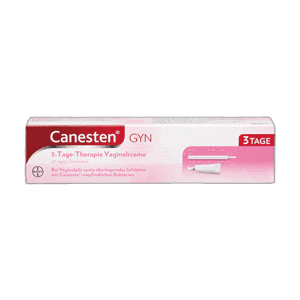
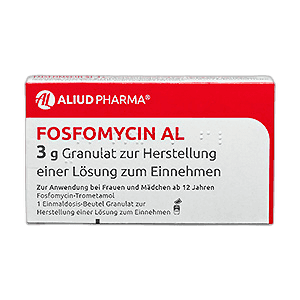
Similar Medications
Is Fluconazole right for you?
A licensed doctor will review your information and issue a prescription if suitable. Discreet and secure.
Important Notice
This information does not replace medical advice. If you have questions about your health or the suitability of this medication, please consult a doctor or pharmacist.
Important Safety Information
This service operates under German pharmaceutical law (HWG). For risks and side effects, read the package leaflet and consult your doctor or pharmacist. All medications are dispensed from a licensed pharmacy in Germany.