
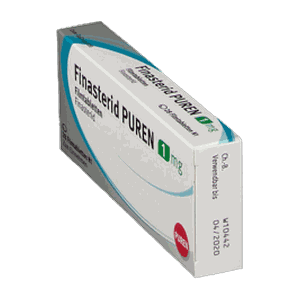
What is Finasteride?
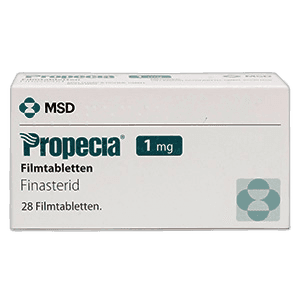
Finasteride is a prescription-only active ingredient for the treatment of hereditary hair loss (androgenetic alopecia) in men. The medication was originally introduced by MSD under the brand name Propecia® and is now available as a generic from various manufacturers.
The active ingredient belongs to the group of 5-alpha reductase inhibitors. It specifically targets the hormonal mechanism responsible for hair loss and can stop hair loss and, in many men, reactivate hair growth.
Important to know: Finasteride is approved exclusively for men. The medication is not suitable for women and, particularly during pregnancy, can cause severe malformations in a male fetus.
The effect does not set in immediately – first results are usually visible after 3 to 6 months, the full effect after about 12 months.
Active Ingredients & Mechanism of Action
Active ingredient: Finasterid
To understand how finasteride works, you need to know the mechanism behind hereditary hair loss:
The background: The male sex hormone testosterone is converted in the body into dihydrotestosterone (DHT) by the enzyme 5-alpha reductase. DHT is a potent androgen that damages the hair follicles on the top of the head in genetically predisposed men. The follicles shrink, the hairs become thinner and eventually fall out.
How finasteride works: Finasteride inhibits the enzyme 5-alpha reductase (type II), thereby reducing the DHT concentration in the blood and in the scalp by about 70%. With less DHT, the hair follicles are spared:
- Hair loss is stopped in about 90% of users
- New hair growth appears in about 65% of users
- Hair quality improves – existing hair becomes stronger
Timeline: The effect builds up slowly. First visible results after 3-6 months, optimal effect after 12-24 months. If finasteride is stopped, hair loss returns within 12 months.
Who is it suitable for?
Finasteride is suitable for:
Men with androgenetic alopecia:
- Typical pattern: receding hairline at the temples and/or a thinning area on the top of the head
- Age: 18-41 years (study population), older men can also benefit
- Mild to moderate hair loss (best results)
- Also possible with advanced hair loss, but expectations should be adjusted
Particularly effective with:
- Early intervention – the earlier treatment begins, the better
- Hair loss mainly at the crown and back of the head
- Hair that is still present, even if thinned
Less suitable for:
- Completely bald areas (there are no follicles left to save there)
- Hair loss at the temples (lower effectiveness)
- Women (not approved, can cause malformations in a male fetus)
- Hair loss caused by scarring or disease
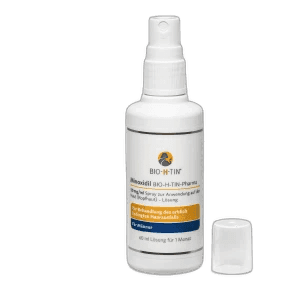
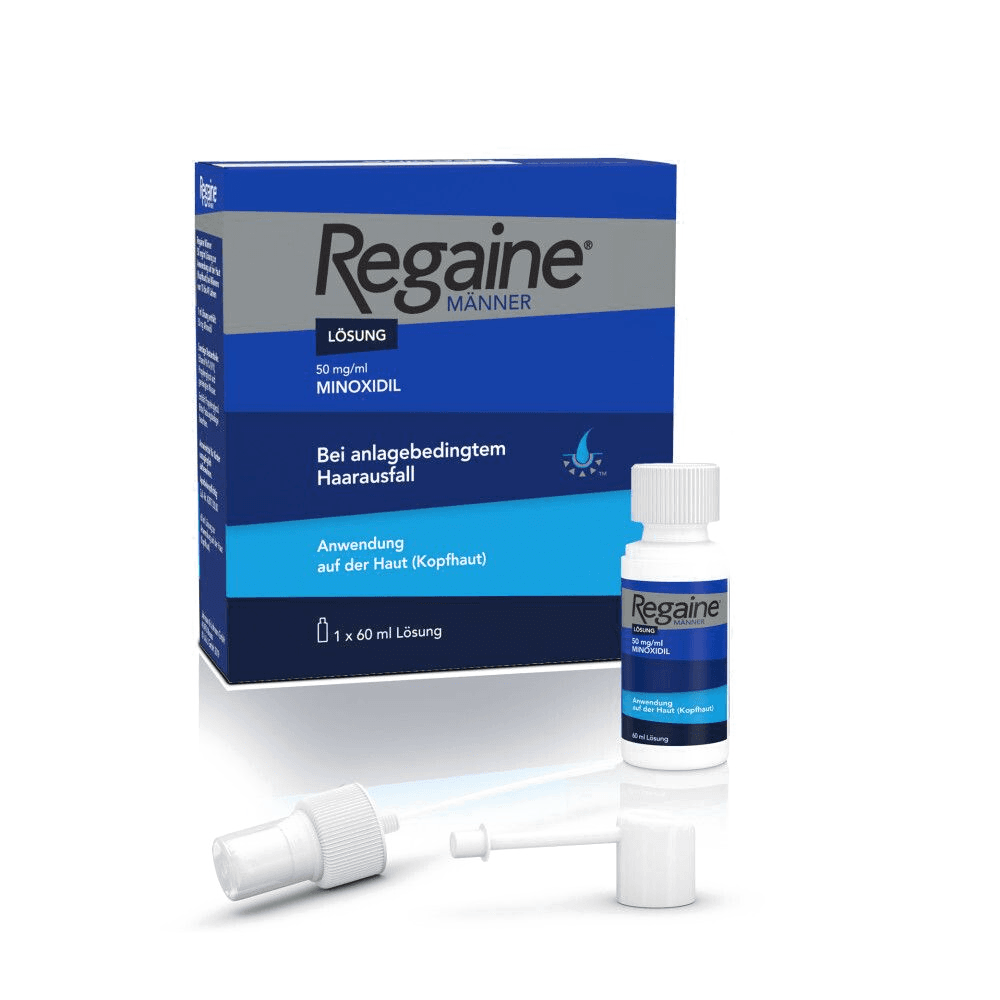
Combination therapy: Finasteride is often combined with minoxidil. The two active ingredients have different mechanisms and can complement each other.
Available Dosages
For androgenetic alopecia:
- 1 mg per day – the only approved dosage for hair loss
Other dosages (not for hair loss):
- 5 mg is used to treat benign prostatic enlargement
- This higher dose is not necessary for hair loss and increases the risk of side effects
Duration of use:
- Long-term therapy required
- It must be taken continuously to maintain the effect
- If stopped, hair loss returns within 12 months
- After 5 years of use, studies continue to show good effectiveness
Pack sizes: Finasteride 1 mg is available in various pack sizes (28, 84, 98 tablets).
Dosage form and pack sizes
The medicines catalogue lists 3 pack variants: one strength in 2 pack sizes. Pack sizes range from 28 to 98 units.
- Dosage form
- Filmtablette
- Strengths
- 1 mg
- Pack sizes
- 28 units, 98 units
| Strength | Pack | PZN | Duration |
|---|---|---|---|
| 1 mg | 28 units | 10252731 | 28 days |
| 1 mg | 28 units | 09322343 | 28 days |
| 1 mg | 98 units | 10325789 | 98 days |
Packs listed in the German medicines catalogue. Which of them are currently available and what they cost is shown in the price overview.
The Pharmazentralnummer (PZN) is the nationwide unique identifier of a pack in Germany.
Duration is the catalogue value for the usual dosage. How long a pack actually lasts depends on the dose your doctor prescribes.
How to Take
How to take:
- One tablet (1 mg) daily
- With or without food
- Take with a glass of water
- Preferably at the same time of day for consistent drug levels
Important notes:
- Do not split or chew the tablets
- Broken or crushed tablets should not be touched by women who are or could be pregnant (absorption of the active ingredient through the skin is possible)
- If you miss a dose: simply continue as normal the next day, do not take a double dose
Treatment duration and expectations:
- 3-6 months: First results may be visible, hair loss slows down
- 12 months: Full effect can be assessed, visibly thicker hair in many men
- Long term: Continuous use needed to maintain results
What you can expect:
- Hair loss stops in about 90% of men
- Visible regrowth in about 65%
- The effect is best at the crown and back of the head
- Usually a smaller effect at the receding temples
Contraindications
Absolute contraindications:
Women:
- Finasteride is approved only for men
- In pregnant women, it can cause severe malformations of the genitals of male fetuses
- Even skin contact with broken tablets should be avoided
Children and adolescents:
- Not for persons under 18 years of age
Hypersensitivity:
- Known allergy to finasteride or any of the other ingredients
Relative contraindications – special caution with:
Impaired liver function:
- Finasteride is broken down in the liver
- In severe liver disease, elimination may be delayed
Pre-existing mental health conditions:
- If prone to depression or anxiety, close monitoring is recommended
- Inform your doctor if psychological symptoms occur
Prostate cancer screening:
- Finasteride lowers the PSA level by about 50%
- This must be taken into account in prostate cancer screening
- Inform your doctor that you are taking finasteride
Possible Side Effects
Uncommon side effects (0.1-1%):
- Decreased libido (sexual desire)
- Erectile dysfunction
- Ejaculation disorders (including decreased ejaculate volume)
- Depression
Side effects of unknown frequency:
- Hypersensitivity reactions such as skin rash, itching, hives and angioedema (swelling of the lips, tongue, throat and face)
- Anxiety, suicidal thoughts
- Palpitations
- Elevated liver enzymes
- Breast tenderness and enlargement
- Testicular pain, blood in the semen, infertility
- Male breast cancer
Post-finasteride syndrome: In rare cases, men report persistent sexual side effects even after stopping the medication. This "post-finasteride syndrome" is scientifically controversial and is still being researched. Its frequency is very low.
Important notes:
- Most sexual side effects disappear with continued therapy or after stopping
- If side effects persist or are distressing, treatment should be stopped
- Psychological changes (depression) should be taken seriously
Effect on laboratory tests:
- PSA level drops by approx. 50% – important to know for prostate cancer screening
Interactions
Interactions: Finasteride has relatively few clinically relevant interactions:
No known significant interactions with:
- Blood pressure medications
- Cholesterol-lowering drugs
- Diabetes medications
- Pain relievers
Theoretical interactions:
- CYP3A4 inhibitors (ketoconazole, ritonavir): Could slow down the breakdown of finasteride, but not clinically relevant
- St. John's wort: Could speed up the breakdown, significance unclear
Special notes:
PSA test: Finasteride lowers the PSA level by about 50%. For prostate cancer screening, the doctor needs to know this in order to interpret the values correctly.
Blood donation: Men should not donate blood while taking finasteride and until one month after stopping, as the blood could theoretically be given to pregnant women.
Pregnant partners: If you wish to have children or your partner is pregnant: finasteride passes into the seminal fluid in small amounts. The risk to the fetus is considered very low, but should be discussed with the doctor.
Frequently Asked Questions
Finasteride takes time. First visible results usually appear after 3 to 6 months. The full effect can be assessed after about 12 months. Patience is important – many men stop treatment too early, before it has a chance to work.
To maintain the effect, yes. Finasteride does not treat the cause but suppresses the harmful effect of DHT. If you stop taking the medication, DHT levels rise again and hair loss starts again within 12 months.
In the vast majority of cases, no. Most men who develop sexual side effects report that they subside with continued use or disappear after stopping. In very rare cases, persistent symptoms have been reported.
Yes, this combination is actually very common. Finasteride works from the inside, minoxidil from the outside – they have different mechanisms of action and complement each other.
Both are possible. In about 90% of users, hair loss is stopped. In about 65%, there is also visibly thicker hair. This means: most users benefit, but not everyone gets back the thick hair they had when they were younger.
Similar Medications
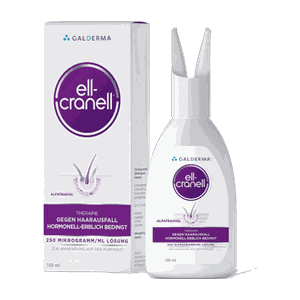
Is Finasteride right for you?
A licensed doctor will review your information and issue a prescription if suitable. Discreet and secure.
Important Notice
This information does not replace medical advice. If you have questions about your health or the suitability of this medication, please consult a doctor or pharmacist.
Important Safety Information
This service operates under German pharmaceutical law (HWG). For risks and side effects, read the package leaflet and consult your doctor or pharmacist. All medications are dispensed from a licensed pharmacy in Germany.