
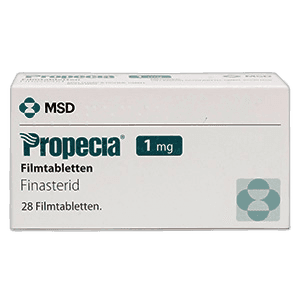
What is Propecia?
Propecia is the first medication for the treatment of hereditary hair loss (androgenetic alopecia) in men. It was developed by MSD (Merck Sharp & Dohme) and approved in 1998.
The active ingredient it contains, finasteride, inhibits the enzyme that converts testosterone into DHT, which damages the hair. As a result, hair loss is stopped, and in many men more hair grows back.
Propecia is the original product – since the patent expired, finasteride has also been available as a generic. Many men prefer the original for reasons of trust.
Important: Propecia is approved exclusively for men. Women, especially pregnant women, must not take the medication and should also not touch broken tablets.
Active Ingredients & Mechanism of Action
Active ingredient: Finasterid
The mechanism of hair loss: In men with a genetic predisposition, the enzyme 5-alpha reductase converts testosterone into dihydrotestosterone (DHT). DHT causes the hair follicles on the top of the head to shrink – the hairs become thinner and eventually fall out.
How Propecia works: Finasteride inhibits the enzyme 5-alpha reductase (type II) and thereby lowers the DHT level in the blood and in the scalp by about 70%.
The result:
- The hair follicles are protected
- Hair loss is stopped in about 90% of men
- In about 65% of men, more hair grows back
- Existing hair becomes stronger
Time course: The effect does not set in immediately. First visible results after 3-6 months, optimal effect after 12-24 months of continuous use.
Who is it suitable for?
Propecia is suitable for:
Men with androgenetic alopecia:
- Typical pattern: thinning area on the top of the head
- Mild to moderate hair loss
- Also possible with advanced hair loss
Particularly effective with:
- Early intervention – the earlier, the better
- Hair loss at the crown and the back of the head
- Hair that is still present but thinned
Less suitable for:
- Completely bald areas
- Receding hairline at the temples (effectiveness not proven)
- Women (contraindicated)
- Scarring or disease-related hair loss
Available Dosages
For hair loss:
- 1 mg daily – The only approved dosage
Important: The 5 mg tablets (for prostate enlargement) are not suitable for hair loss and should not be split.
Duration of use:
- Long-term therapy required
- When treatment is stopped, hair loss returns
- Continuous intake for a lasting effect
Dosage form and pack sizes
The medicines catalogue lists one pack variant: one strength in one pack size.
- Dosage form
- Filmtablette
- Strengths
- 1 mg
- Pack sizes
- 28 units
| Strength | Pack | PZN | Duration |
|---|---|---|---|
| 1 mg | 28 units | 00251251 | 28 days |
Packs listed in the German medicines catalogue. Which of them are currently available and what they cost is shown in the price overview.
The Pharmazentralnummer (PZN) is the nationwide unique identifier of a pack in Germany.
Duration is the catalogue value for the usual dosage. How long a pack actually lasts depends on the dose your doctor prescribes.
How to Take
How to take:
- One tablet (1 mg) daily
- Regardless of meals
- Preferably at the same time of day
- With a glass of water
Duration of treatment:
- At least 3-6 months for first visible results
- 12 months to assess the full effect
- Permanent intake for a lasting effect
If you forget a dose: Simply continue as normal the next day; do not take a double dose.
Contraindications
Absolute contraindications:
- Women: Propecia is only approved for men
- Pregnancy: Can cause severe malformations in male fetuses
- Children and adolescents: Not for persons under 18 years of age
- Hypersensitivity: Allergy to finasteride
Caution with:
- Impaired liver function
- History of depression
- Mental illness
Pregnant women: Should not touch broken or crushed tablets (absorption through the skin is possible).
Possible Side Effects
Uncommon (0.1-1%):
- Decreased libido
- Erectile dysfunction
- Ejaculation disorders (including reduced ejaculate volume)
- Depression
Frequency not known:
- Hypersensitivity reactions such as skin rash, itching, hives and angioedema (swelling of the lips, tongue, throat and face)
- Anxiety, suicidal thoughts
- Palpitations
- Elevated liver enzymes
- Breast tenderness and enlargement
- Testicular pain, blood in the semen, infertility
- Male breast cancer
Note: Most sexual side effects disappear with continued therapy or after stopping treatment. In rare cases, persistent symptoms have been reported.
Interactions
Propecia has few known interactions:
PSA test: Finasteride lowers the PSA level by about 50%. This must be taken into account in prostate cancer screening.
Blood donation: Do not donate blood while taking it and until one month after stopping.
Frequently Asked Questions
Propecia is the original from MSD; finasteride generics contain the identical active ingredient from other manufacturers. The choice is a matter of personal preference.
To maintain the effect, you must take Propecia permanently. If you stop, hair loss returns within about 12 months. Propecia does not treat the cause but suppresses the mechanism.
In about 65% of men, thicker hair grows back. However, completely bald areas where the follicles have already died can no longer be reactivated. The earlier you start, the better the results.
Studies over 5-10 years show a good safety profile. Most side effects are mild and reversible. Discuss any concerns with your doctor.
Similar Medications
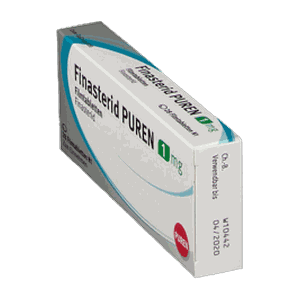
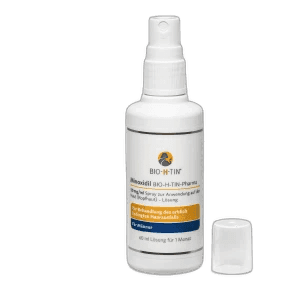
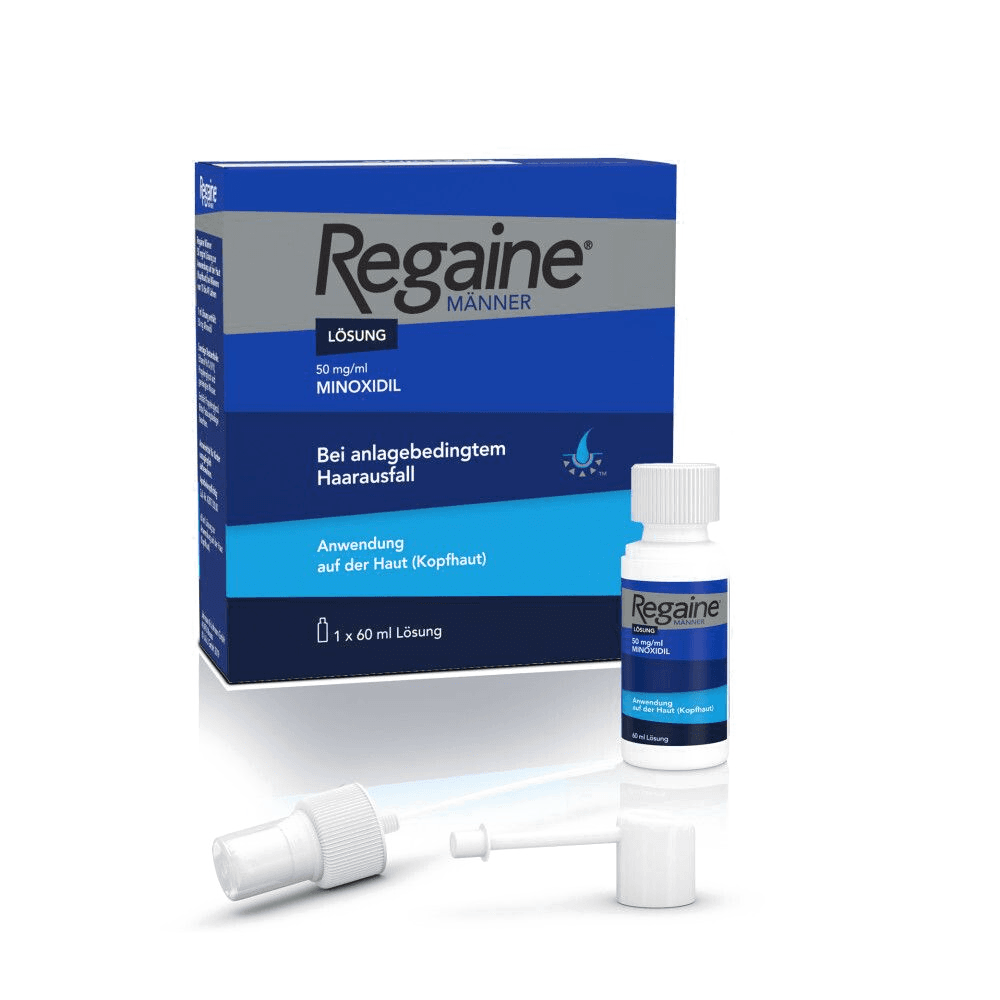
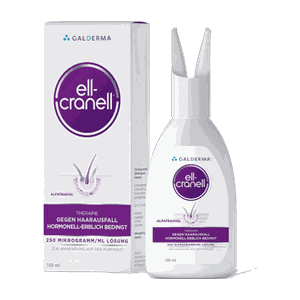
Is Propecia right for you?
A licensed doctor will review your information and issue a prescription if suitable. Discreet and secure.
Important Notice
This information does not replace medical advice. If you have questions about your health or the suitability of this medication, please consult a doctor or pharmacist.
Important Safety Information
This service operates under German pharmaceutical law (HWG). For risks and side effects, read the package leaflet and consult your doctor or pharmacist. All medications are dispensed from a licensed pharmacy in Germany.