
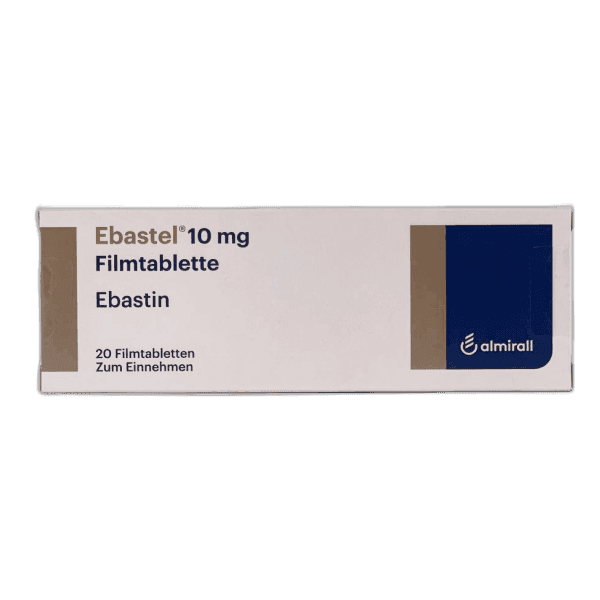
What is Ebastel® (ebastine)?
Ebastel® contains the active ingredient ebastine, a second-generation antihistamine. It is used to treat seasonal and perennial allergic rhinitis as well as chronic idiopathic urticaria.
Ebastine is converted in the liver into the active metabolite carebastine, which is responsible for the antihistaminic effect. Carebastine has a particularly long half-life of 15–19 hours.
Ebastel® is available as an orally disintegrating tablet and as a conventional film-coated tablet. The orally disintegrating tablet dissolves on the tongue and can be taken without water – convenient when you are on the go.
Active Ingredients & Mechanism of Action
Active ingredient: Ebastin
Ebastine works via its active metabolite carebastine:
Mechanism of action:
- Ebastine is converted to carebastine in the liver by CYP3A4
- Carebastine selectively blocks peripheral H1 histamine receptors
- Inhibits itching, sneezing, nasal discharge, and watery eyes
- Barely crosses the blood-brain barrier
Pharmacokinetics:
- Absorption: Rapid after oral administration
- Active metabolite: Carebastine (long half-life of 15–19 hours)
- Steady state after 3–5 days of regular use
- Food slightly increases absorption
Clinical effect:
- Onset of action: Within 1–3 hours
- Duration of action: 24 hours and longer
- Good efficacy for nasal and ocular symptoms
Who is it suitable for?
Ebastine is suitable for:
- Adults and adolescents aged 12 years and older
- Seasonal allergic rhinitis (hay fever)
- Perennial allergic rhinitis
- Chronic idiopathic urticaria
Particularly recommended for:
- Patients who want to take their medication discreetly (orally disintegrating tablet without water)
- When a long-acting antihistamine is desired
- Patients who need to stay active during the day
Not suitable for:
- Children under 12 years of age
- Severe liver impairment
- Hypersensitivity to ebastine
Available Dosages
Adults and adolescents aged 12 years and older:
- Standard dose: 10 mg once daily
- If needed: 20 mg once daily (as directed by a doctor)
Available dosage forms:
- Ebastel® 10 mg film-coated tablets
- Ebastel® 20 mg film-coated tablets
- Ebastel® 10 mg orally disintegrating tablets (dissolve on the tongue)
- Ebastel® 20 mg orally disintegrating tablets
Dose adjustment:
- Mild to moderate liver impairment: No adjustment needed
- Severe liver impairment: Contraindicated
- Kidney impairment: No adjustment needed
Dosage form and pack sizes
The medicines catalogue lists 2 pack variants: 2 strengths in one pack size.
- Dosage form
- Filmtablette
- Strengths
- 10 mg, 20 mg
- Pack sizes
- 20 units
| Strength | Pack | PZN | Duration |
|---|---|---|---|
| 10 mg | 20 units | 02249620 | 20 days |
| 20 mg | 20 units | 02748955 | 20 days |
Packs listed in the German medicines catalogue. Which of them are currently available and what they cost is shown in the price overview.
The Pharmazentralnummer (PZN) is the nationwide unique identifier of a pack in Germany.
Duration is the catalogue value for the usual dosage. How long a pack actually lasts depends on the dose your doctor prescribes.
How to Take
Film-coated tablets:
- Swallow once daily with a little water
- Regardless of meals (food slightly increases absorption)
Orally disintegrating tablets:
- Place on the tongue, without water
- Disintegrates within a few seconds
- Ideal when on the go or if you have difficulty swallowing
Important notes:
- Always take at the same time of day
- Take regularly during the pollen season
- Do not take more than the recommended dose
- If you miss a dose: Take the next regular dose
Tip: The orally disintegrating tablet is particularly convenient for acute allergy symptoms on the go, as no water is needed.
Contraindications
Ebastine must not be taken in cases of:
- Hypersensitivity to ebastine
- Severe liver impairment
- Known QT prolongation or concomitant QT-prolonging medications
Use with caution in cases of:
- Concomitant use of ketoconazole or itraconazole (CYP3A4 inhibition)
- Mild to moderate liver impairment
- Hypokalemia (low potassium)
- Hypomagnesemia (low magnesium)
- Bradycardia (slow heartbeat)
- History of heart rhythm disorders
Pregnancy and breastfeeding: Insufficient data. During pregnancy, only after a strict benefit-risk assessment. Not recommended during breastfeeding.
Possible Side Effects
Common (1–10%):
- Headache
- Dry mouth
- Drowsiness
Uncommon (0.1–1%):
- Dizziness
- Abdominal pain
- Nausea
- Sleep disturbances
- Sinusitis
Rare:
- QT prolongation (especially at high doses or with CYP3A4 inhibitors)
- Hypersensitivity reactions
- Liver function disorders
- Tachycardia
Important: At the recommended dose of 10–20 mg, ebastine has a good safety profile. At higher doses or in combination with CYP3A4 inhibitors, the risk of QT prolongation increases.
Interactions
Use with caution with:
- Ketoconazole, itraconazole (strong CYP3A4 inhibitors → increased ebastine levels and QT risk)
- Erythromycin, clarithromycin (moderate CYP3A4 inhibitors → increased levels)
- Other QT-prolonging medications (e.g., certain antiarrhythmics, antipsychotics)
- Grapefruit juice (CYP3A4 inhibition → slight increase in levels)
No relevant interaction with:
- Alcohol (no clinically relevant increase in sedation)
- Food (slight improvement in absorption)
- Diazepam, cimetidine
Note: Ebastine is metabolized via CYP3A4. Caution is required with strong CYP3A4 inhibitors such as ketoconazole and itraconazole. Inform your doctor about all medications you are currently taking.
Frequently Asked Questions
The orally disintegrating tablet dissolves on the tongue and can be taken without water. This is particularly convenient on the go or for acute allergy symptoms when no water is at hand. Its efficacy is identical to that of the film-coated tablet.
In studies of the effects on the heart, no cardiac side effects, including QT prolongation, occurred at the recommended dose of 10–20 mg. Palpitations and a fast heartbeat (tachycardia) may occur rarely. However, at significantly higher doses or in combination with certain medications (strong CYP3A4 inhibitors), QT prolongation may occur. Inform your doctor about all medications you take.
Both are modern, non-sedating antihistamines. Ebastine is a prodrug that is activated in the liver and therefore has more interactions with CYP3A4 inhibitors. Desloratadine has a more favorable interaction profile.
Similar Medications
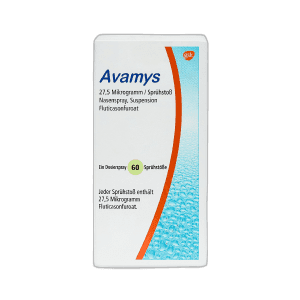
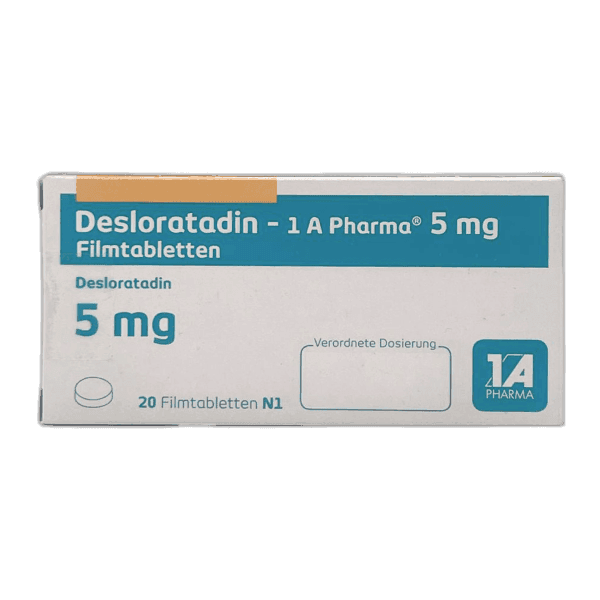
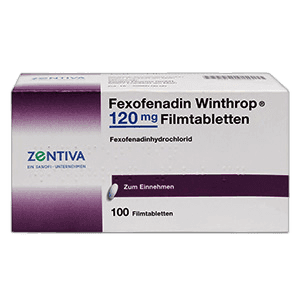
Is Ebastel® (ebastine) right for you?
A licensed doctor will review your information and issue a prescription if suitable. Discreet and secure.
Important Notice
This information does not replace medical advice. If you have questions about your health or the suitability of this medication, please consult a doctor or pharmacist.
Important Safety Information
This service operates under German pharmaceutical law (HWG). For risks and side effects, read the package leaflet and consult your doctor or pharmacist. All medications are dispensed from a licensed pharmacy in Germany.