
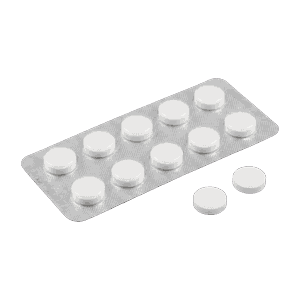
What is Doxycycline?
Doxycycline is a broad-spectrum antibiotic from the tetracycline group. It is used to treat numerous bacterial infections, including chlamydia, mycoplasma infections, acne, Lyme disease and malaria prophylaxis.
For chlamydia infections, doxycycline is an equivalent alternative to azithromycin. Treatment lasts 7 days, which requires more discipline in taking the medication.
Doxycycline is characterized by good tissue penetration and a broad spectrum of activity.
Active Ingredients & Mechanism of Action
Active ingredient: Doxycyclin
Doxycycline has a bacteriostatic effect by inhibiting protein synthesis:
Mechanism of action: The antibiotic binds to the 30S subunit of bacterial ribosomes and prevents the attachment of aminoacyl-tRNA. This blocks protein biosynthesis, and the bacteria can no longer multiply.
Special features of doxycycline:
- Good intracellular penetration
- Effective against many gram-positive and gram-negative bacteria
- Also effective against atypical pathogens (chlamydia, mycoplasma, rickettsia)
- Long half-life (12-25 hours) – only needs to be taken 1-2x daily
Additional effect: Doxycycline also has anti-inflammatory properties, which is why it is used for acne and rosacea.
Who is it suitable for?
Doxycycline is suitable for:
- Chlamydia infection (7-day therapy)
- Urethritis (inflammation of the urethra)
- Epididymitis (inflammation of the epididymis)
- Pelvic inflammatory disease (inflammation of the lower abdomen)
- Lymphogranuloma venereum
- Acne and rosacea
- Lyme disease
- Malaria prophylaxis
Advantages over azithromycin:
- Better efficacy against mycoplasma
Not suitable for:
- Pregnancy
- Children under 8 years of age
- Severe hepatic insufficiency
Available Dosages
For chlamydia/STIs:
- 100 mg twice daily for 7 days
- Or 200 mg once daily for 7 days
For acne:
- 50-100 mg daily over several weeks/months
For malaria prophylaxis:
- 100 mg daily, starting 1–2 days before arriving in the malaria area and continuing until 4 weeks after leaving it
Available strengths:
- 50 mg tablets/capsules
- 100 mg tablets/capsules
- 200 mg tablets (single dose per day)
Dosage form and pack sizes
The medicines catalogue lists 2 pack variants: one strength in 2 pack sizes. Pack sizes range from 20 to 50 units.
- Dosage form
- Tablette
- Strengths
- 100 mg
- Pack sizes
- 20 units, 50 units
| Strength | Pack | PZN | Duration |
|---|---|---|---|
| 100 mg | 20 units | 06437028 | 0 days |
| 100 mg | 50 units | 06437034 | 0 days |
Packs listed in the German medicines catalogue. Which of them are currently available and what they cost is shown in the price overview.
The Pharmazentralnummer (PZN) is the nationwide unique identifier of a pack in Germany.
Duration is the catalogue value for the usual dosage. How long a pack actually lasts depends on the dose your doctor prescribes.
How to Take
How to take it correctly:
- Take with a full glass of water
- Stay upright – do not lie down right away (to protect the esophagus)
- Take with or after a meal (better tolerability)
- Do not take together with dairy products, antacids or iron supplements (keep 2-3 hours apart)
For chlamydia:
- 100 mg in the morning and evening for 7 days
- Complete the entire course
Important:
- Use sun protection during treatment (photosensitization)
- No unprotected sex for 7 days after the end of treatment
- Have your partner treated as well
Contraindications
Doxycycline must not be taken in cases of:
- Hypersensitivity to tetracyclines
- Pregnancy – risk to the child's teeth and bones
- Children under 8 years of age
- Severe hepatic insufficiency
Caution is advised in cases of:
- Breastfeeding
- Myasthenia gravis
- Systemic lupus erythematosus
- Impaired kidney function
Special warning: Tetracyclines can cause permanent tooth discoloration and tooth enamel defects in children.
Possible Side Effects
Common (1-10%):
- Nausea
- Diarrhea
- Abdominal pain
- Photosensitivity (tendency to sunburn)
- Vaginal yeast infection
Uncommon (0.1-1%):
- Headache
- Dizziness
- Skin rash
- Itching
- Esophagitis (inflammation of the esophagus)
Rare but serious:
- Severe allergic reactions
- Increased intracranial pressure (pseudotumor cerebri)
- Liver damage
- Severe skin reactions
Photosensitivity: Increased sensitivity to sunlight is an important side effect. Sun protection (SPF 30+) and avoiding intense sun are important during treatment.
Interactions
Absorption reduced by:
- Dairy products (calcium)
- Antacids (aluminum, magnesium)
- Iron supplements
- Minerals with divalent cations
→ Keep 2-3 hours apart!
Interactions with:
- Warfarin – increased bleeding tendency
- Retinoids (isotretinoin) – increased intracranial pressure
- Barbiturates, carbamazepine – accelerated breakdown of doxycycline
- Cyclosporine – increased toxicity
Hormonal contraception: With short-term use, probably no relevant effect on the pill, but caution is advised in case of vomiting or diarrhea.
Similar Medications
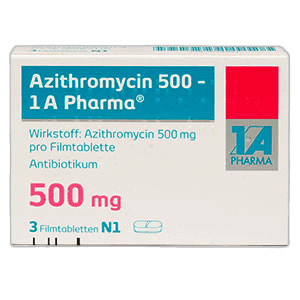
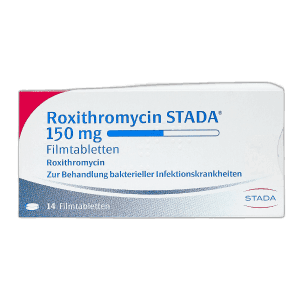
Is Doxycycline right for you?
A licensed doctor will review your information and issue a prescription if suitable. Discreet and secure.
Important Notice
This information does not replace medical advice. If you have questions about your health or the suitability of this medication, please consult a doctor or pharmacist.
Important Safety Information
This service operates under German pharmaceutical law (HWG). For risks and side effects, read the package leaflet and consult your doctor or pharmacist. All medications are dispensed from a licensed pharmacy in Germany.