
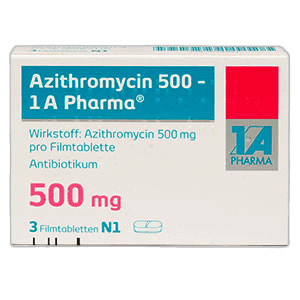
What is Azithromycin?
Azithromycin is a broad-spectrum antibiotic from the macrolide group. It is frequently used to treat chlamydia infections, but can also be used for other bacterial diseases such as respiratory tract infections, skin infections, and certain sexually transmitted diseases.
A particular advantage of azithromycin is how easy it is to take: for chlamydia, a single dose of 1000 mg (1 gram) is often sufficient. The antibiotic accumulates in the tissue and continues to work for several days after it is taken.
Active Ingredients & Mechanism of Action
Active ingredient: Azithromycin
Azithromycin has a bacteriostatic effect – it inhibits the growth of bacteria:
Mechanism of action: The antibiotic binds to the 50S subunit of bacterial ribosomes and thereby inhibits bacterial protein synthesis. Without new proteins, the bacteria cannot multiply and are eliminated by the immune system.
Special features of macrolides:
- Long half-life (40-68 hours)
- Accumulates in cells (effective intracellularly)
- Remains active in the tissue for days
- This is why often only a single dose is needed
Spectrum of activity: Azithromycin is effective against many gram-positive and gram-negative bacteria as well as against intracellular pathogens such as chlamydia, mycoplasma, and legionella.
Who is it suitable for?
Azithromycin is suitable for:
- Uncomplicated genital chlamydia infection
- Nonspecific urethritis (inflammation of the urethra)
- Certain respiratory tract infections
- Skin infections
- As part of combination therapy for gonorrhea
Most common use for STIs: Chlamydia infection is one of the most common sexually transmitted infections. Azithromycin should only be used after carefully weighing benefits and risks if preferred treatments are not indicated.
Not suitable for:
- Severe liver disease
- Known allergy to macrolides
- Certain heart rhythm disorders (QT prolongation)
Available Dosages
For chlamydia infection:
- 1000 mg (1 g) as a single dose
For gonorrhea (in combination):
- 2000 mg (2 g) single dose together with a ceftriaxone injection
For respiratory tract infections:
- 500 mg on day 1, then 250 mg on days 2-5
- Or 500 mg daily for 3 days
Available strengths:
- 250 mg tablets
- 500 mg tablets
- 500 mg sachet (granules for suspension)
Dosage form and pack sizes
The medicines catalogue lists one pack variant: one strength in one pack size.
- Dosage form
- Filmtablette
- Strengths
- 500 mg
- Pack sizes
- 3 units
| Strength | Pack | PZN | Duration |
|---|---|---|---|
| 500 mg | 3 units | 07116993 | 0 days |
Packs listed in the German medicines catalogue. Which of them are currently available and what they cost is shown in the price overview.
The Pharmazentralnummer (PZN) is the nationwide unique identifier of a pack in Germany.
Duration is the catalogue value for the usual dosage. How long a pack actually lasts depends on the dose your doctor prescribes.
How to Take
For chlamydia (single dose):
- Take all tablets together with water
- Can be taken with or without meals
- For best tolerability: take with or after a meal
For multiple-dose regimens:
- Take at about the same time every day
- Take the entire prescribed amount, even if symptoms disappear
Important notes:
- No unprotected sex for 7 days after treatment
- Your partner should also be treated
- Follow-up test 6 to 12 weeks after the end of treatment
Contraindications
Azithromycin must not be taken in the following cases:
- Hypersensitivity to azithromycin or other macrolides
Use with caution in:
- Congenital or known QT prolongation
- Concurrent treatment with other medications that prolong the QT interval
- Hypokalemia or hypomagnesemia (potassium or magnesium level too low)
- Severe hepatic insufficiency
- Mild to moderate liver function disorders
- Kidney function disorders
- Myasthenia gravis (may worsen symptoms)
- Heart rhythm disorders
Pregnancy and breastfeeding: Azithromycin can be used during pregnancy after a strict assessment of the indication. It passes into breast milk.
Possible Side Effects
Very common (≥10%):
- Diarrhea
Common (1-10%):
- Nausea
- Abdominal pain
- Vomiting
- Headache
Uncommon (0.1-1%):
- Dizziness
- Taste disturbances
- Skin rash
- Joint pain
- Fatigue
Rare but serious:
- Severe allergic reactions
- QT prolongation (heart rhythm disorder)
- Liver problems
- Pseudomembranous colitis
Note: The gastrointestinal complaints are usually mild and temporary. Taking it with food can help.
Interactions
Do not combine with:
- Ergotamine/dihydroergotamine (migraine medications) – severe vascular spasms
- Certain antiarrhythmics (QT prolongation)
- Colchicine – increased toxicity
Caution with:
- Warfarin – increased bleeding tendency
- Cyclosporine – increased cyclosporine levels
- Digoxin – increased digoxin levels
- Statins – increased risk of rhabdomyolysis
No relevant effect on:
- Birth control pill (unlike with some other antibiotics)
- Most common medications
Similar Medications
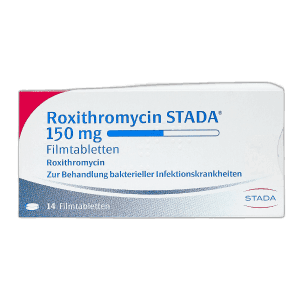
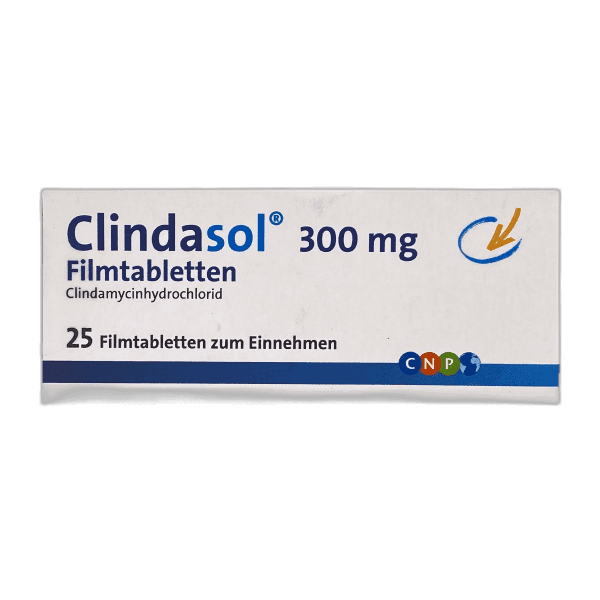
Is Azithromycin right for you?
A licensed doctor will review your information and issue a prescription if suitable. Discreet and secure.
Important Notice
This information does not replace medical advice. If you have questions about your health or the suitability of this medication, please consult a doctor or pharmacist.
Important Safety Information
This service operates under German pharmaceutical law (HWG). For risks and side effects, read the package leaflet and consult your doctor or pharmacist. All medications are dispensed from a licensed pharmacy in Germany.