
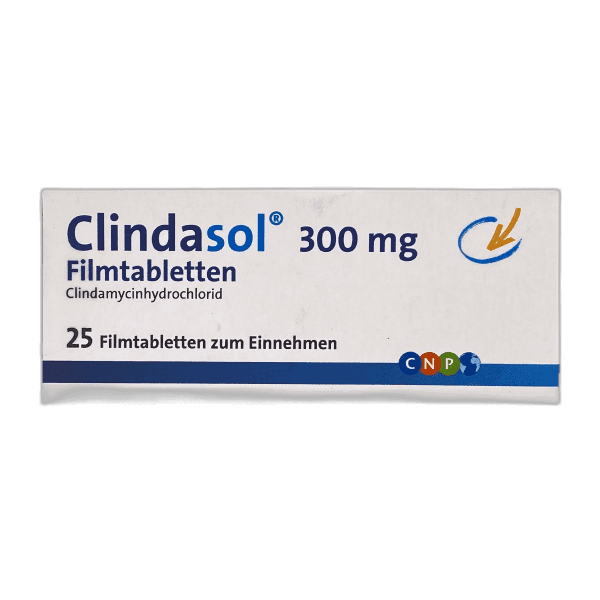
What is Clindasol?
Clindasol® 300 mg film-coated tablets contain the active ingredient clindamycin, an antibiotic from the lincosamide group. The tablets are taken orally and act throughout the entire body.
Clindasol® is used for acute and chronic bacterial infections caused by clindamycin-sensitive pathogens, including infections of the female reproductive organs.
For bacterial vaginosis, clindamycin may be considered as a tablet or as a cream for use in the vagina. The doctor decides which form is suitable.
Active Ingredients & Mechanism of Action
Active ingredient: Clindamycin 300 mg (als Clindamycinhydrochlorid)
Clindamycin mainly inhibits the growth of bacteria. Depending on the concentration at the site of infection and the sensitivity of the pathogens, it can also kill bacteria.
Who is it suitable for?
Clindasol® is used for infections caused by clindamycin-sensitive pathogens, for example:
- Infections of the female reproductive organs
- Infections of the pelvic and abdominal cavity
- Infections of the skin and soft tissues
- Infections of the bones and joints
- Infections of the ear, nose and throat area and of the tooth and jaw area
- Infections of the lower respiratory tract
- Scarlet fever
Not suitable:
- for acute respiratory infections caused by viruses
- for the treatment of meningitis
Available Dosages
Usual dose (adults and adolescents over 14 years of age):
- 0.6 to 1.8 g clindamycin daily, divided into 4 single doses
- with Clindasol® 300 mg, this corresponds to 4 to 6 film-coated tablets per day (1.2 to 1.8 g)
- for daily amounts below 1.2 g, products with a lower active ingredient content are available
Duration of treatment:
- depends on the condition and its course and is determined by the doctor
Liver and kidney disease:
- in cases of moderate to severe impairment of liver function or severe impairment of kidney function, a different dosage may be necessary
Dosage form and pack sizes
The medicines catalogue lists one pack variant: one strength in one pack size.
- Dosage form
- Filmtablette
- Strengths
- 300 mg
- Pack sizes
- 30 units
| Strength | Pack | PZN |
|---|---|---|
| 300 mg | 30 units | 06794633 |
Packs listed in the German medicines catalogue. Which of them are currently available and what they cost is shown in the price overview.
The Pharmazentralnummer (PZN) is the nationwide unique identifier of a pack in Germany.
How to Take
Taking the tablets:
- Swallow the film-coated tablets whole with sufficient liquid, ideally with a glass of water.
- Take them regularly — only then does clindamycin work reliably and sufficiently.
Important:
- Do not change or stop the treatment without prior consultation, even if the symptoms ease.
- Do not make up for a missed dose by taking a double amount; instead, continue as prescribed.
Contraindications
Clindasol® must not be taken:
- in case of allergy to clindamycin or lincomycin or to any of the other ingredients
Special caution in case of:
- impaired liver function
- disorders of neuromuscular transmission, e.g. myasthenia gravis or Parkinson's disease
- a history of gastrointestinal disease, e.g. previous inflammation of the colon
- penicillin allergy: no cross-allergy is known, but allergic reactions have been described in isolated cases
Pregnancy and breastfeeding: So far, there is no evidence of a negative effect on the pregnancy or the child. The doctor weighs the benefits and risks. In breastfed infants, diarrhea, fungal colonization and sensitization cannot be ruled out.
Possible Side Effects
Common to very common:
- Gastrointestinal complaints such as abdominal pain, nausea, vomiting and diarrhea
Uncommon:
- Allergic skin reactions such as measles-like rash, itching, hives
Rare to uncommon:
- Mild, temporary increase in certain liver test values
Seek medical help immediately in case of:
- watery diarrhea or diarrhea several times a day, sometimes with blood or mucus, fever and abdominal cramps — even up to three weeks after the treatment (sign of a severe inflammation of the bowel). Do not take any antidiarrheal medicines that inhibit bowel motility.
- swelling of the face or larynx, difficulty breathing or circulatory problems
- reduced urine output, swelling of the legs or feet, shortness of breath
The complete list can be found in the package leaflet.
Interactions
Inform your doctor if you are taking:
- macrolide antibiotics such as erythromycin — a mutual reduction in effect is possible
- muscle relaxants — their effect may be increased
- warfarin and similar blood thinners — the tendency to bleed may increase; coagulation checks may be necessary
Frequently Asked Questions
The tablets are taken orally and act throughout the entire body; the vaginal cream is applied directly in the vagina. The doctor decides which form is an option for you.
Gastrointestinal complaints are the most common side effects. However, watery or bloody diarrhea with fever and abdominal cramps can indicate a severe inflammation of the bowel — in that case, contact a doctor immediately, even weeks after the treatment.
So far, there is no evidence of a negative effect. The doctor weighs the benefits and risks; in breastfed infants, diarrhea and fungal colonization are possible.
Similar Medications
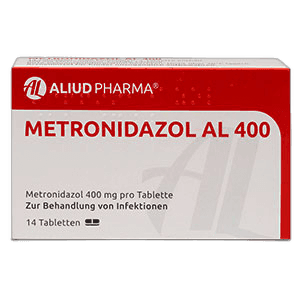
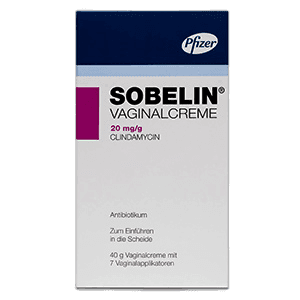
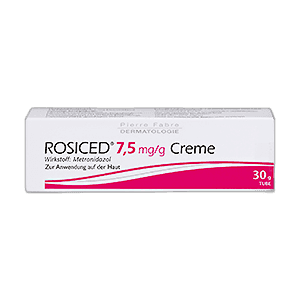
Is Clindasol right for you?
A licensed doctor will review your information and issue a prescription if suitable. Discreet and secure.
Important Notice
This information does not replace medical advice. If you have questions about your health or the suitability of this medication, please consult a doctor or pharmacist.
Important Safety Information
This service operates under German pharmaceutical law (HWG). For risks and side effects, read the package leaflet and consult your doctor or pharmacist. All medications are dispensed from a licensed pharmacy in Germany.