
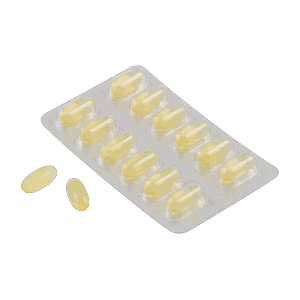
What is Dekristol?
Dekristol® contains the active ingredient colecalciferol (vitamin D3) in high-dose form and is used to treat a confirmed vitamin D deficiency. It is available as a soft capsule in a strength of 20,000 IU (international units).
Vitamin D3 is essential for calcium absorption, bone health, and the immune system. According to the Robert Koch Institute, about 60% of the population in Germany has suboptimal vitamin D levels, especially in the winter months.
Dekristol® 20,000 IU is prescription-only and is used for the initial loading therapy of a severe deficiency. Lower doses (up to 1,000 IU) are available without a prescription.
Active Ingredients & Mechanism of Action
Active ingredient: Colecalciferol (Vitamin D3)
Mechanism of action:
- Colecalciferol (vitamin D3) is converted in the liver to 25-OH vitamin D (calcidiol)
- In the kidney, it is further activated to 1,25-(OH)2 vitamin D (calcitriol)
- Calcitriol is the biologically active hormone
Effects of vitamin D:
- Increases calcium absorption in the intestine
- Promotes bone mineralization
- Regulates calcium and phosphate metabolism
- Supports immune function (T cells, macrophages)
- Influences muscle function
- Modulates cell growth
Vitamin D deficiency (25-OH vitamin D < 20 ng/ml) can lead to:
- Osteomalacia (softening of the bones)
- Osteoporosis (bone loss)
- Muscle weakness and an increased risk of falls
- Increased susceptibility to infections
Who is it suitable for?
Dekristol® is suitable for:
- Adults with a confirmed vitamin D deficiency (25-OH vitamin D < 20 ng/ml)
- Loading therapy in severe deficiency (< 12 ng/ml)
- Prevention and treatment of osteoporosis (as an adjunct)
- Older people with a confirmed vitamin D deficiency
Not suitable:
- Hypercalcemia (elevated calcium level)
- Hypercalciuria (increased calcium excretion in the urine)
- Kidney stones (calcium stones)
- Severe renal insufficiency (conversion impaired)
Available Dosages
Loading therapy for severe deficiency:
- 20,000 IU (1 soft capsule) once a week
- Duration: usually 4 to 5 weeks, depending on your doctor's decision
Maintenance therapy:
- After the first month, your doctor may consider a lower dose depending on your vitamin D level and your response to treatment
- Or switch to daily dosing (800–2,000 IU, available without a prescription)
Target level:
- 25-OH vitamin D: 30–60 ng/ml (75–150 nmol/L)
Monitoring:
- Check blood levels 6–8 weeks after starting therapy
- Also measure calcium levels during high-dose therapy
Dosage form and pack sizes
The medicines catalogue lists one pack variant: one strength in one pack size.
- Dosage form
- Weichkapsel
- Strengths
- 20.000 IE
- Pack sizes
- 50 units
| Strength | Pack | PZN |
|---|---|---|
| 20.000 IE | 50 units | 04007393 |
Packs listed in the German medicines catalogue. Which of them are currently available and what they cost is shown in the price overview.
The Pharmazentralnummer (PZN) is the nationwide unique identifier of a pack in Germany.
How to Take
How to take:
- Swallow the soft capsule whole with water
- Ideally with a meal containing fat (improves absorption)
- With weekly dosing: always on the same day of the week
Important information:
- Do not take without a confirmed deficiency (blood test!)
- Overdosing over months can cause hypercalcemia
- Pay attention to calcium intake (important together with vitamin D)
- Do not take at the same time as other high-dose vitamin D preparations
Contraindications
Dekristol® must not be taken in cases of:
- Hypercalcemia
- Hypercalciuria
- Nephrolithiasis (calcium stones)
- Severe renal insufficiency
- Vitamin D overdose
- Hypersensitivity to colecalciferol
Caution in cases of:
- Sarcoidosis, tuberculosis (elevated calcium levels possible)
- Impaired renal function (elevated calcium levels possible)
- Concomitant use of thiazide diuretics (increase calcium)
- Cardiac glycoside therapy (digitalis → risk of arrhythmia with hypercalcemia)
- Immobilization (increased risk of hypercalcemia)
Possible Side Effects
Rare when dosed correctly:
- Gastrointestinal complaints (nausea, constipation)
- Headache
- Allergic reactions (very rare)
With overdose (hypercalcemia):
- Nausea, vomiting, loss of appetite
- Thirst, increased urination
- Constipation
- Fatigue, weakness
- Muscle pain
- In extreme cases: kidney calcification, kidney stones, cardiac arrhythmias
Note: An overdose is very unlikely when used as intended under medical supervision. During treatment with doses above 1,000 IU of vitamin D per day, calcium levels in the blood and urine must be monitored and kidney function must be checked.
Frequently Asked Questions
Because of the high single dose, uncontrolled use carries a risk of hypercalcemia. The prescription requirement ensures that the therapy is supervised by a doctor and that the vitamin D level is monitored.
Yes, chronic overdose can lead to elevated calcium levels (hypercalcemia). However, this is very rare when taken as intended under medical supervision. Do not take higher doses on your own initiative.
Vitamin D improves calcium absorption. An adequate calcium intake through your diet (dairy products, green vegetables) is important. Your doctor will decide on an individual basis whether additional calcium supplementation is necessary.
A test is advisable in cases of: osteoporosis, frequent infections, muscle weakness, fatigue, little exposure to sunlight, dark skin, pregnancy, and older age. The level is measured with a blood test (25-OH vitamin D).
Similar Medications
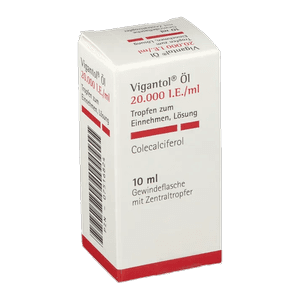
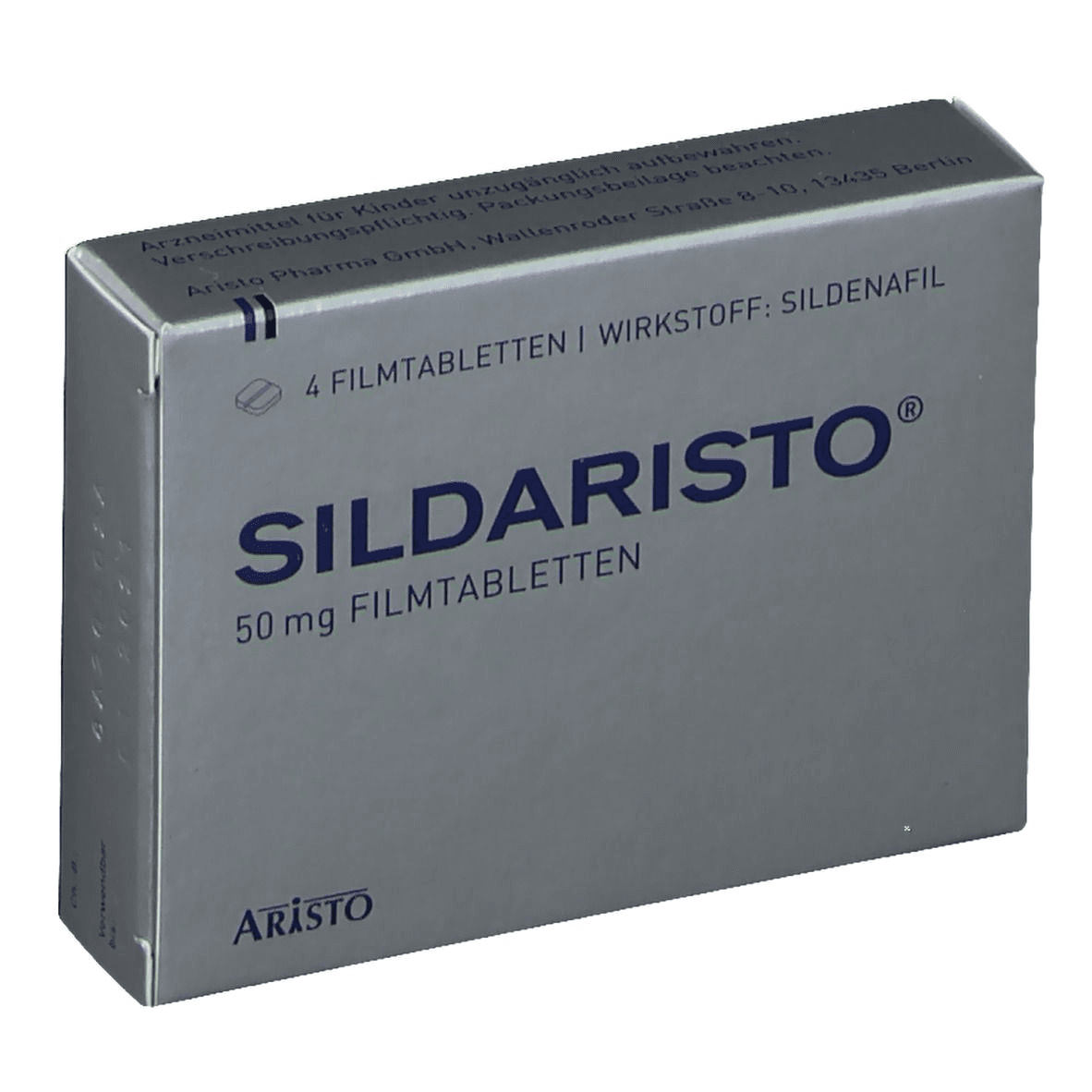
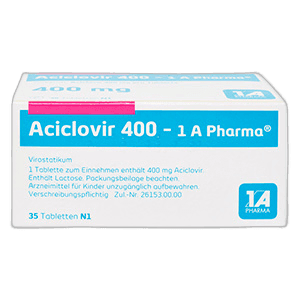
Is Dekristol right for you?
A licensed doctor will review your information and issue a prescription if suitable. Discreet and secure.
Important Notice
This information does not replace medical advice. If you have questions about your health or the suitability of this medication, please consult a doctor or pharmacist.
Important Safety Information
This service operates under German pharmaceutical law (HWG). For risks and side effects, read the package leaflet and consult your doctor or pharmacist. All medications are dispensed from a licensed pharmacy in Germany.