
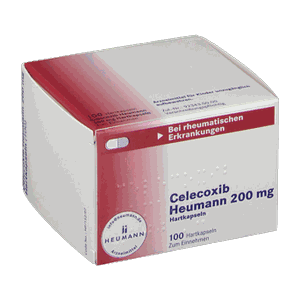
What is Celecoxib?
Celecoxib is a selective cyclooxygenase-2 inhibitor (COX-2 inhibitor, coxib). It acts specifically on the enzyme COX-2, which is mainly active during inflammation, while sparing COX-1, which has a protective function for the stomach lining.
The original product is Celebrex®. Celecoxib generics are also available. The active ingredient is used mainly in patients who cannot tolerate conventional NSAIDs such as ibuprofen or diclofenac because of stomach problems.
Celecoxib is approved for the treatment of osteoarthritis, rheumatoid arthritis, and ankylosing spondylitis.
Active Ingredients & Mechanism of Action
Active ingredient: Celecoxib
Celecoxib selectively inhibits cyclooxygenase-2 (COX-2):
COX-1 vs. COX-2:
- COX-1: Protects the stomach lining, regulates kidney function and platelets
- COX-2: Is produced in greater amounts during inflammation, promotes pain and swelling
Advantage of selectivity:
- Celecoxib mainly inhibits COX-2
- This results in fewer stomach ulcers and GI bleeds
- The protective function of COX-1 for the stomach is largely preserved
Action profile:
- Pain-relieving and anti-inflammatory
- Onset of action: 30–60 minutes
- Duration of action: 12 hours
Who is it suitable for?
Celecoxib is suitable for:
- Osteoarthritis (symptomatic treatment)
- Rheumatoid arthritis
- Ankylosing spondylitis (Bechterew's disease)
Particularly suitable for:
- Patients with an increased gastrointestinal risk
- Patients who cannot tolerate conventional NSAIDs
- Older patients with a history of GI problems
Not suitable:
- With known cardiovascular disease
- After a heart attack or stroke
- With severe liver or kidney failure
- With a sulfonamide allergy
Available Dosages
Capsules:
- 100 mg, 200 mg
Osteoarthritis:
- 200 mg daily (1x 200 mg or 2x 100 mg)
Rheumatoid arthritis:
- 200–400 mg daily (divided into 2 doses)
Ankylosing spondylitis:
- 200 mg daily, up to 400 mg if needed
Maximum daily dose: 400 mg
Dosage form and pack sizes
The medicines catalogue lists one pack variant: one strength in one pack size.
- Dosage form
- Hartkapsel
- Strengths
- 100 mg
- Pack sizes
- 20 units
| Strength | Pack | PZN |
|---|---|---|
| 100 mg | 20 units | 05395380 |
Packs listed in the German medicines catalogue. Which of them are currently available and what they cost is shown in the price overview.
The Pharmazentralnummer (PZN) is the nationwide unique identifier of a pack in Germany.
How to Take
How to take:
- Swallow the capsules whole with water, without chewing
- Regardless of meals (can be taken with food)
- If taken 2 times daily: morning and evening
Important notes:
- Lowest effective dose for the shortest possible duration
- Regular medical check-ups during long-term use
- Monitor blood pressure
Contraindications
Celecoxib must not be taken in cases of:
- Hypersensitivity to celecoxib or sulfonamides
- Asthma, acute rhinitis, nasal polyps, angioedema, hives or other allergic reactions after taking acetylsalicylic acid or other NSAIDs, including COX-2 inhibitors
- Active gastrointestinal ulcers or gastrointestinal bleeding
- Ischemic heart disease, heart failure (NYHA II–IV)
- History of heart attack or stroke
- Diseases of the blood vessels of the brain (cerebrovascular diseases)
- Peripheral arterial occlusive disease
- Severe liver failure
- Impaired kidney function with an estimated creatinine clearance below 30 ml/min
- Inflammatory bowel disease
- Pregnancy and breastfeeding
- Women who could become pregnant and are not using a reliable method of contraception
Use with caution in cases of:
- Cardiovascular risk factors
- Impaired kidney function
- High blood pressure
- Older patients
Possible Side Effects
Common (1–10%):
- High blood pressure
- Headache, dizziness
- Insomnia
- Edema
- Respiratory tract infections
- Gastrointestinal complaints such as abdominal pain, diarrhea, indigestion, flatulence, nausea and vomiting
Uncommon (0.1–1%):
- Heart failure
- Skin rash
Rare but serious:
- Cardiovascular events (heart attack, stroke)
- Severe skin reactions
- Liver damage
GI advantage: The risk of stomach ulcers and GI bleeding is significantly lower than with non-selective NSAIDs.
Interactions
Increased risk of bleeding with:
- Anticoagulants (warfarin – monitor INR)
Reduced effect of:
- ACE inhibitors, sartans
- Diuretics
Celecoxib is metabolized via CYP2C9:
- Fluconazole increases celecoxib levels (halve the dose)
- In known CYP2C9 poor metabolizers: lowest dose
Caution with:
- Lithium (increased levels)
- Methotrexate
Frequently Asked Questions
Partly. In endoscopy studies lasting 12 weeks, stomach and duodenal ulcers occurred less often with celecoxib than with naproxen or ibuprofen. For the comparison with diclofenac, the data were inconsistent. In the long-term CLASS study, there was no statistically significant difference from ibuprofen or diclofenac in complicated ulcers (bleeding, perforation or obstruction). Gastrointestinal ulcers and bleeding have also been observed with celecoxib, so caution is needed if you have an increased gastrointestinal risk.
All NSAIDs can slightly increase cardiovascular risk. The PRECISION trial showed that celecoxib at standard doses did not perform worse than ibuprofen or naproxen. Nevertheless, celecoxib is contraindicated in people with existing heart disease.
Celecoxib contains a sulfonamide group in its chemical structure. If you have a known hypersensitivity to sulfonamides, you must not take celecoxib, as there may be a higher risk of serious skin or hypersensitivity reactions.
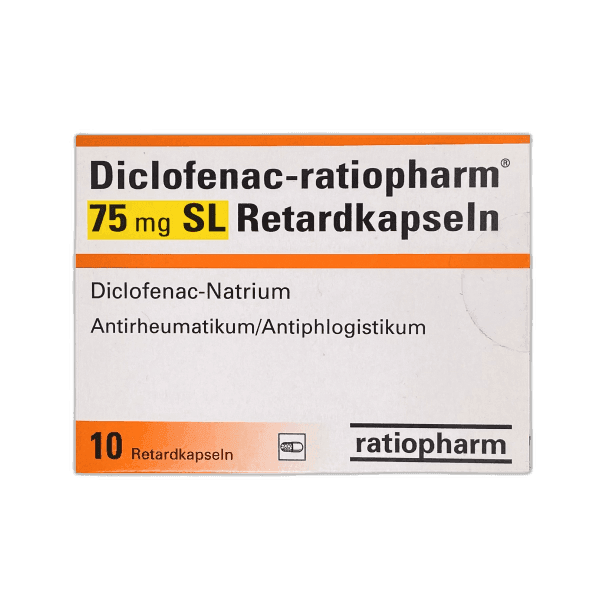
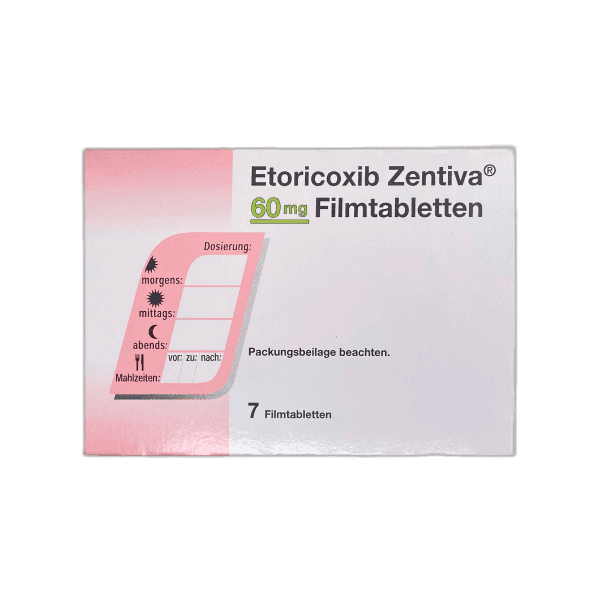
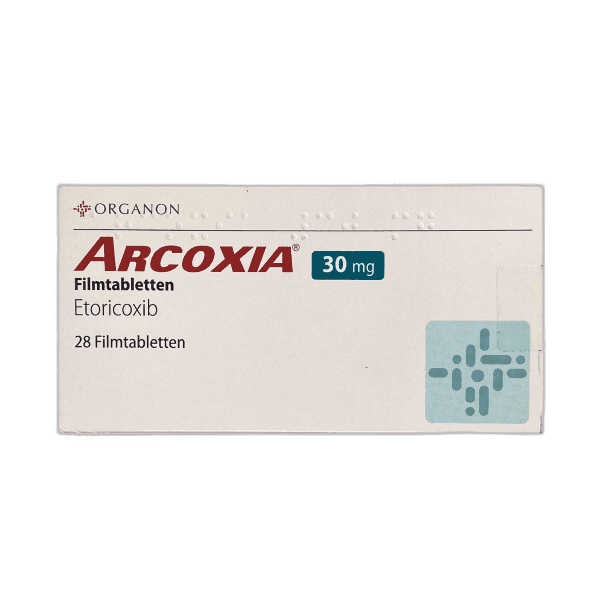
Similar Medications

Is Celecoxib right for you?
A licensed doctor will review your information and issue a prescription if suitable. Discreet and secure.
Important Notice
This information does not replace medical advice. If you have questions about your health or the suitability of this medication, please consult a doctor or pharmacist.
Important Safety Information
This service operates under German pharmaceutical law (HWG). For risks and side effects, read the package leaflet and consult your doctor or pharmacist. All medications are dispensed from a licensed pharmacy in Germany.