
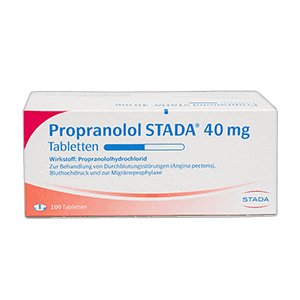
What is Propranolol?
Propranolol is a beta blocker and was developed in the 1960s. Its development was honored with the Nobel Prize in Medicine in 1988. Propranolol non-selectively blocks both beta-1 and beta-2 receptors.
In addition to high blood pressure, propranolol is used for numerous other conditions: migraine prevention, essential tremor, anxiety disorders with physical symptoms (stage fright), hyperthyroidism, and infantile hemangiomas. Well-known products are Propra-ratiopharm® and Obsidan®.
Because propranolol is not cardioselective, it is prescribed less often today for high blood pressure alone than bisoprolol or metoprolol. However, its versatility still makes it an important medication.
Active Ingredients & Mechanism of Action
Active ingredient: Propranolol
Propranolol non-selectively blocks beta-1 and beta-2 receptors:
Beta-1 blockade (heart):
- Lowers heart rate and blood pressure
- Reduces the heart's oxygen consumption
- Inhibits renin release
Beta-2 blockade (lungs, blood vessels, metabolism):
- Can narrow the bronchi (caution: asthma)
- Can worsen peripheral circulation
- Affects glucose and fat metabolism
- Inhibits glycogenolysis in the liver
Special properties:
- Lipophilic – crosses the blood-brain barrier well
- Central effect (migraine prevention, tremor treatment, anxiety relief)
- Membrane-stabilizing effect
- Inhibits the conversion of T4 to T3 (useful in hyperthyroidism)
Onset of action: Rapid onset of action after 1-2 hours. Half-life of 3-6 hours, so it needs to be taken several times a day (except the extended-release form).
Who is it suitable for?
Propranolol is suitable for:
- Adults with high blood pressure
- Migraine prevention
- Essential tremor
- Hyperthyroidism (symptom control)
- Situational anxiety / stage fright
- Angina pectoris
- After a heart attack
Particularly suitable for:
- Migraine (well documented)
- Tremor
- Overactive thyroid
- Anxiety with physical symptoms (palpitations, sweating, trembling)
Not suitable for:
- Bronchial asthma (strictly contraindicated!)
- Severe COPD
- Second- or third-degree AV block
- Severe bradycardia
- Decompensated heart failure
- Prinzmetal angina
Available Dosages
High blood pressure:
- Starting dose: 40 mg twice daily
- Usual dose: 80-160 mg daily (divided into 2-3 doses)
- Maximum dose: 320 mg daily
- Extended-release form: 80-160 mg once daily
Migraine prevention:
- 40-80 mg two to three times daily
- Gradual dose increase over 2-3 weeks
Essential tremor:
- 40 mg two to three times daily
- Increase up to 120-240 mg daily
Stage fright (situational):
- 10-40 mg about 30-60 minutes before the situation
Available strengths:
- 10 mg, 40 mg, 80 mg tablets
- 80 mg, 160 mg extended-release capsules
Dosage form and pack sizes
The medicines catalogue lists 3 pack variants: 3 strengths in one pack size.
- Dosage form
- Filmtablette
- Strengths
- 10 mg, 40 mg, 80 mg
- Pack sizes
- 100 units
| Strength | Pack | PZN |
|---|---|---|
| 10 mg | 100 units | 16146510 |
| 40 mg | 100 units | 02388801 |
| 80 mg | 100 units | 01030581 |
Packs listed in the German medicines catalogue. Which of them are currently available and what they cost is shown in the price overview.
The Pharmazentralnummer (PZN) is the nationwide unique identifier of a pack in Germany.
How to Take
How to take (standard form):
- Two to three times daily
- Before meals (more even absorption)
- Take with water
How to take (extended-release form):
- Once daily
- Do not open or chew the capsules
- Regardless of meals
Important notes:
- Never stop abruptly (taper off slowly over 1-2 weeks)
- Regular pulse and blood pressure checks
- In people with diabetes: monitor blood sugar closely
- Do not take if you have asthma
- Inform the anesthesiologist before surgery
Contraindications
Propranolol must not be taken in cases of:
- Bronchial asthma (strictly contraindicated!)
- Severe COPD with bronchospasm
- Second- or third-degree AV block
- Sick sinus syndrome
- Severe bradycardia (below 50/min)
- Cardiogenic shock
- Severe hypotension
- Untreated pheochromocytoma
- Metabolic acidosis
- Prinzmetal angina
- Severe peripheral circulatory disorders
Caution in cases of:
- Diabetes mellitus (strong masking of hypoglycemia symptoms)
- Mild COPD
- Psoriasis
- Myasthenia gravis
- Severe renal impairment
Pregnancy: Only if strictly indicated. May cause bradycardia and hypoglycemia in the newborn.
Possible Side Effects
Common (1-10%):
- Tiredness, exhaustion
- Cold hands and feet (more pronounced than with selective beta blockers)
- Bradycardia
- Gastrointestinal complaints
- Sleep disturbances, vivid dreams
Uncommon (0.1-1%):
- Depressed mood
- Erectile dysfunction
- Bronchospasm
- Dizziness
- Weight gain
- Worsening of glucose and fat metabolism
Rare:
- Raynaud's syndrome (white fingers)
- Hallucinations
- Worsening of psoriasis
- Alopecia (hair loss)
Important: Because propranolol also blocks beta-2 receptors, side effects such as cold extremities, bronchospasm, and metabolic changes occur more often than with cardioselective beta blockers.
Interactions
Contraindicated with:
- Verapamil or diltiazem IV
- MAO inhibitors (exception: MAO-B inhibitors)
Caution with:
- Insulin and oral antidiabetic drugs → strong masking of hypoglycemia
- Epinephrine → paradoxical rise in blood pressure and bradycardia
- Clonidine → worsened rebound hypertension after stopping clonidine (first stop propranolol gradually, then reduce clonidine step by step only a few days later)
- Ergotamine preparations → increased vasoconstriction
- Rifampicin → accelerated breakdown of propranolol
- Cimetidine → increased propranolol levels
- CYP1A2 and CYP2D6 inhibitors → increased levels
Food: Protein-rich meals can increase the bioavailability of propranolol. Grapefruit juice can also slightly increase levels.
Frequently Asked Questions
Yes, propranolol is effective for stage fright and exam anxiety. It blocks the physical symptoms of anxiety such as a racing heart, trembling, and sweating. Usually, 10-40 mg is taken about 30-60 minutes before the stressful situation. The effect on mental performance is minimal.
Propranolol is not cardioselective and also blocks beta-2 receptors, which leads to more side effects (cold hands, bronchospasm, metabolic changes). Newer, cardioselective beta blockers such as bisoprolol or metoprolol have a better side effect profile.
Yes, propranolol is officially approved for migraine prevention. It can reduce the frequency of migraine attacks by 40-50%. The effect sets in after 4-6 weeks of regular use. The usual dose is 80-240 mg daily.
Propranolol also blocks the beta-2 receptors in the bronchi. These receptors keep the airways open. Blocking them can trigger life-threatening bronchospasm in people with asthma. People with asthma should only receive cardioselective beta blockers such as bisoprolol at a low dose.
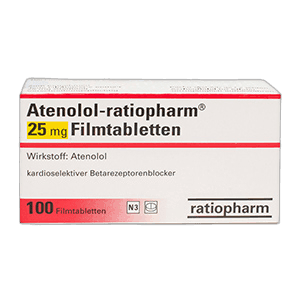
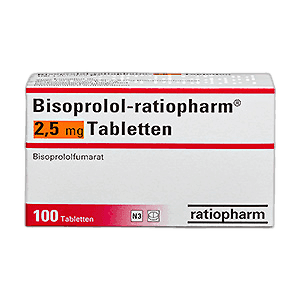
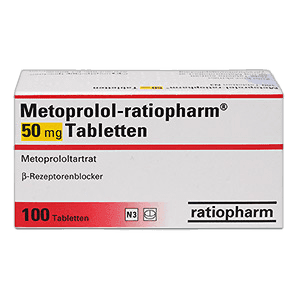
Similar Medications
Is Propranolol right for you?
A licensed doctor will review your information and issue a prescription if suitable. Discreet and secure.
Important Notice
This information does not replace medical advice. If you have questions about your health or the suitability of this medication, please consult a doctor or pharmacist.
Important Safety Information
This service operates under German pharmaceutical law (HWG). For risks and side effects, read the package leaflet and consult your doctor or pharmacist. All medications are dispensed from a licensed pharmacy in Germany.