
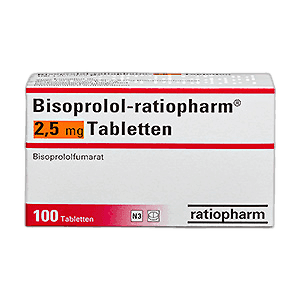
What is Bisoprolol?
Bisoprolol is a highly selective beta-1 receptor blocker. It is used to treat high blood pressure (hypertension), coronary artery disease (stable angina pectoris), and chronic heart failure.
The active ingredient lowers both blood pressure and heart rate, thereby reducing the strain on the heart. Bisoprolol is taken once daily and is available as a generic from numerous manufacturers, including BisoHEXAL®, Bisoprolol-1 A Pharma®, Bisoprolol-ratiopharm®, and the original product Concor®.
Bisoprolol is also available in combination products with hydrochlorothiazide (e.g., BisoHEXAL® plus, Bisoprolol comp) or with amlodipine.
Active Ingredients & Mechanism of Action
Active ingredient: Bisoprolol
Bisoprolol selectively blocks the beta-1 receptors in the heart:
Mechanism of action:
- Blocks beta-1 receptors in the heart (cardioselective)
- Reduces heart rate (negative chronotropic)
- Decreases the force of the heart's contractions (negative inotropic)
- Lowers the speed of impulse conduction (negative dromotropic)
- Inhibits renin release in the kidney
Blood pressure is lowered through:
- Reduced cardiac performance (cardiac output)
- Inhibited renin secretion
- Central sympatholytic effect
- In the long term, also a reduction in peripheral resistance
Cardioselectivity: Bisoprolol is highly selective for beta-1 receptors. Beta-2 receptors in the lungs and blood vessels are barely affected at therapeutic doses. Nevertheless, caution is advised in asthma.
Onset of action: Maximum blood pressure reduction after 3-4 hours. With regular use, a stable effect after 1-2 weeks.
Who is it suitable for?
Bisoprolol is suitable for:
- Adults with high blood pressure (arterial hypertension)
- Patients with chronic stable angina pectoris
- Chronic heart failure (as add-on therapy)
Especially recommended for:
- High blood pressure with an elevated heart rate
- Coronary artery disease
- Heart failure (in combination with ACE inhibitors/sartans)
- Young patients with stress-related hypertension
Not suitable:
- Severe bronchial asthma or severe COPD
- Second- or third-degree AV block (without a pacemaker)
- Sick sinus syndrome
- Severe bradycardia (heart rate below 50/min)
- Severe hypotension (systolic below 90 mmHg)
- Pheochromocytoma (untreated)
- Metabolic acidosis
Available Dosages
High blood pressure:
- Starting dose: 5 mg once daily
- Usual maintenance dose: 5-10 mg once daily
- Maximum dose: 20 mg daily
Heart failure:
- Starting dose: 1.25 mg once daily
- Slow increase if the dose is well tolerated: 1.25 mg, 2.5 mg and 3.75 mg for 1 week each, then 5 mg and 7.5 mg for 4 weeks each
- Target dose: 10 mg once daily
Angina pectoris:
- Starting dose: 5 mg once daily
- Usual dose: 10 mg once daily
- Maximum dose: 20 mg daily
Available strengths:
- 1.25 mg, 2.5 mg, 3.75 mg, 5 mg, 7.5 mg, 10 mg tablets
Combination products:
- Bisoprolol + hydrochlorothiazide (BisoHEXAL® plus, Bisoprolol comp)
- Bisoprolol + amlodipine
Dosage form and pack sizes
The medicines catalogue lists one pack variant: one strength in one pack size.
- Dosage form
- Tablette
- Strengths
- 10 mg
- Pack sizes
- 100 units
| Strength | Pack | PZN | Duration |
|---|---|---|---|
| 10 mg | 100 units | 06866143 | 100 days |
Packs listed in the German medicines catalogue. Which of them are currently available and what they cost is shown in the price overview.
The Pharmazentralnummer (PZN) is the nationwide unique identifier of a pack in Germany.
Duration is the catalogue value for the usual dosage. How long a pack actually lasts depends on the dose your doctor prescribes.
How to Take
How to take:
- Once daily, preferably in the morning
- With or without meals
- Swallow with sufficient water
- Always at the same time of day
Dose adjustment in heart failure:
- Very slow increase (weekly at first, from 5 mg onwards at 4-week intervals)
- Start with 1.25 mg
- If the condition worsens, reduce the dose again
- Close medical monitoring
Important notes:
- Never stop abruptly! Taper off over at least 1-2 weeks
- Stopping suddenly can lead to rebound tachycardia and a rise in blood pressure
- Check blood pressure and pulse regularly
- Inform the anesthesiologist before any surgery
Contraindications
Bisoprolol must not be taken in cases of:
- Hypersensitivity to bisoprolol or other beta blockers
- Acute heart failure or decompensated heart failure
- Cardiogenic shock
- Second- or third-degree AV block (without a pacemaker)
- Sick sinus syndrome
- Sinoatrial block
- Bradycardia (heart rate below 50/min before treatment)
- Severe hypotension (systolic below 90 mmHg)
- Severe bronchial asthma or severe COPD
- Severe peripheral arterial occlusive disease or severe Raynaud's syndrome
- Untreated pheochromocytoma
- Metabolic acidosis
Caution in:
- Mild to moderate COPD
- Diabetes mellitus (masking of hypoglycemia symptoms)
- Strict fasting periods (risk of hypoglycemia)
- Peripheral circulatory disorders (Raynaud's syndrome)
- Psoriasis (may be worsened)
- Thyrotoxicosis (symptoms may be masked)
Pregnancy: Beta blockers should only be used during pregnancy when strictly indicated. They can lead to growth retardation and bradycardia in the newborn.
Possible Side Effects
Common (1-10%):
- Tiredness, exhaustion
- Dizziness, headache
- Feeling of cold in the hands and feet
- Gastrointestinal complaints (nausea, diarrhea, constipation)
- Bradycardia (slowed heartbeat)
Uncommon (0.1-1%):
- Sleep disturbances, nightmares
- Depressed mood
- Muscle weakness, muscle cramps
- Erectile dysfunction
- Orthostatic hypotension
- Bronchospasm in susceptible patients
Rare:
- Worsening of psoriasis
- Worsening of a peripheral circulatory disorder
- Liver function disorders (elevated transaminases)
- Allergic skin reactions
Important note: Beta blockers can mask the symptoms of low blood sugar (trembling, racing heart). People with diabetes should monitor their blood sugar closely.
Interactions
Contraindicated with:
- Verapamil or diltiazem IV (severe bradycardia, AV block)
- MAO inhibitors (except MAO-B inhibitors)
Caution when taken at the same time as:
- Calcium channel blockers of the verapamil/diltiazem type → enhanced effect on the heart
- Antiarrhythmics (amiodarone, flecainide) → enhanced cardiodepressant effect
- Clonidine → when stopping clonidine, taper off the beta blocker first
- Digitalis preparations → increased bradycardia
- Other blood pressure-lowering drugs → enhanced lowering of blood pressure
- NSAIDs → slightly reduced lowering of blood pressure
- Insulin and oral antidiabetic drugs → masking of hypoglycemia symptoms
Important: Bisoprolol and verapamil/diltiazem must not be given intravenously at the same time. Oral combination only under strict monitoring.
Frequently Asked Questions
No, bisoprolol must never be stopped abruptly. Stopping suddenly can lead to a dangerous rebound effect: heart rate and blood pressure can rise sharply. The dose should be reduced gradually over at least 1-2 weeks. Always talk to your doctor first.
Tiredness and exhaustion are among the most common side effects of beta blockers. This occurs especially at the start of treatment and often improves after a few weeks. If the tiredness persists and severely affects you, your doctor can adjust the dose or switch you to a different medication.
Erectile dysfunction is a known but not common side effect of beta blockers. Newer studies show that psychological expectation plays a major role here. If erectile problems occur, talk to your doctor – switching to nebivolol or another antihypertensive can help.
Yes, exercise is actually recommended. However, bisoprolol lowers your heart rate, so you will not reach as high a pulse during training. Train according to how strenuous the exercise feels rather than by pulse values. Endurance sports are well suited; extreme peaks of exertion should be avoided.
Similar Medications
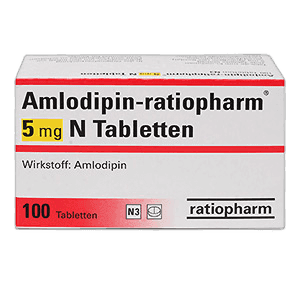
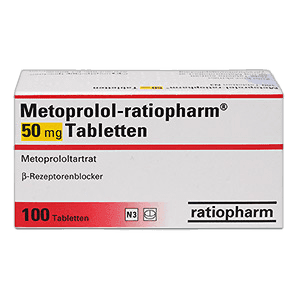
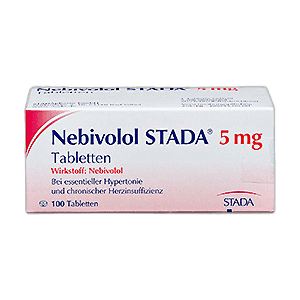
Is Bisoprolol right for you?
A licensed doctor will review your information and issue a prescription if suitable. Discreet and secure.
Important Notice
This information does not replace medical advice. If you have questions about your health or the suitability of this medication, please consult a doctor or pharmacist.
Important Safety Information
This service operates under German pharmaceutical law (HWG). For risks and side effects, read the package leaflet and consult your doctor or pharmacist. All medications are dispensed from a licensed pharmacy in Germany.