
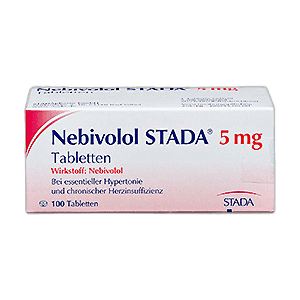
What is Nebivolol?
Nebivolol is a highly selective third-generation beta-1 blocker with a unique additional property: it releases nitric oxide (NO) and thereby dilates the blood vessels. This combination of beta blockade and vasodilation makes nebivolol particularly well tolerated.
Nebivolol is used to treat high blood pressure and as an add-on therapy for chronic heart failure. Well-known products include Nebilet® and various generics.
Active Ingredients & Mechanism of Action
Active ingredient: Nebivolol
Nebivolol has a dual mechanism of action:
Beta-1 blockade:
- Highest beta-1 selectivity of all beta blockers
- Lowers heart rate and blood pressure
- Reduces the heart's oxygen consumption
- Inhibits renin release
NO release (nitric oxide):
- Activates endothelial NO synthase (eNOS)
- Nitric oxide dilates the blood vessels
- Improves endothelial function
- Lowers peripheral vascular resistance
Metabolism:
- No worsening of glucose metabolism
- No negative effect on blood lipids
Onset of action: Maximum blood pressure reduction after 1-2 weeks of regular use. Stable control after 4 weeks.
Who is it suitable for?
Nebivolol is suitable for:
- Adults with high blood pressure
- Chronic stable heart failure (as add-on therapy, aged 70 and over)
Particularly recommended for:
- Patients with erectile dysfunction on other beta blockers
- Metabolic syndrome / diabetes (metabolically neutral)
- Younger patients who value good tolerability
Not suitable:
- History of bronchial asthma or bronchospasm
- Second- or third-degree AV block
- Bradycardia (heart rate below 60/min before starting treatment)
- Decompensated heart failure
- Hepatic insufficiency or impaired liver function
- Cardiogenic shock
Available Dosages
High blood pressure:
- Starting dose: 5 mg once daily
- Usual maintenance dose: 5 mg once daily
- Maximum dose: 5 mg daily
- Patients over 65: starting dose 2.5 mg once daily, increase to 5 mg if needed
Heart failure (aged 70 and over):
- Starting dose: 1.25 mg once daily
- Slow increase every 1-2 weeks
- Target dose: 10 mg once daily
In renal insufficiency:
- Starting dose: 2.5 mg once daily
- Maximum dose: 5 mg daily
Available strengths:
- 5 mg tablets (can be split)
Dosage form and pack sizes
The medicines catalogue lists one pack variant: one strength in one pack size.
- Dosage form
- Tablette
- Strengths
- 5 mg
- Pack sizes
- 100 units
| Strength | Pack | PZN | Duration |
|---|---|---|---|
| 5 mg | 100 units | 07371082 | 100 days |
Packs listed in the German medicines catalogue. Which of them are currently available and what they cost is shown in the price overview.
The Pharmazentralnummer (PZN) is the nationwide unique identifier of a pack in Germany.
Duration is the catalogue value for the usual dosage. How long a pack actually lasts depends on the dose your doctor prescribes.
How to Take
How to take:
- Once daily, preferably at the same time of day
- With or without meals
- With enough water
- The tablet can be split
Dose adjustment:
- For high blood pressure: assess the effect after 1-2 weeks
- For heart failure: very slow increase
- Regular pulse and blood pressure checks
Important notes:
- Do not stop abruptly – taper off over at least 1-2 weeks
- Inform the anesthesiologist before surgery
- In people with diabetes, monitor blood sugar
Contraindications
Nebivolol must not be taken in case of:
- Hypersensitivity to nebivolol
- Hepatic insufficiency or impaired liver function
- Acute heart failure or cardiogenic shock
- Second- or third-degree AV block (without a pacemaker)
- Sick sinus syndrome
- Bradycardia (heart rate below 60/min before starting treatment)
- Hypotension (systolic blood pressure below 90 mmHg)
- History of bronchospasm or bronchial asthma
- Untreated pheochromocytoma
- Metabolic acidosis
- Severe peripheral circulatory disorders
Caution with:
- COPD (narrowing of the airways may increase)
- Diabetes mellitus (metabolically neutral, but caution)
- Psoriasis (may be worsened)
- Peripheral circulatory disorders (may be worsened)
Pregnancy: Only if strictly indicated. May cause fetal bradycardia.
Possible Side Effects
Common (1-10%):
- Headache
- Dizziness
- Tiredness
- Gastrointestinal complaints
- Tingling in the extremities
- Constipation, nausea
- Shortness of breath
- Edema
Uncommon (0.1-1%):
- Bradycardia
- Sleep disturbances
- Depressed mood
- Bronchospasm
- Skin rash
Very rare:
- Syncope (fainting)
Interactions
Contraindicated with:
- Verapamil or diltiazem IV
- Floctafenine
- Sultopride
Caution with:
- Oral verapamil/diltiazem → increased effect on the heart
- Antiarrhythmics (class I) → additive cardiodepressant effect
- Clonidine → when stopping clonidine, taper off the beta blocker first
- Insulin and oral antidiabetics → masking of hypoglycemia
- Anesthetics → increased myocardial depression
- CYP2D6 inhibitors (paroxetine, fluoxetine) → increased nebivolol levels
Note: Nebivolol is mainly metabolized via CYP2D6. In poor metabolizers (approx. 7% of the population), bioavailability is higher.
Frequently Asked Questions
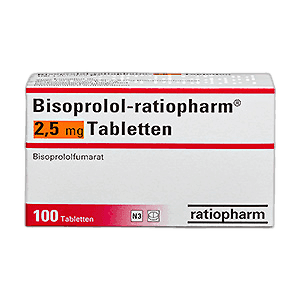
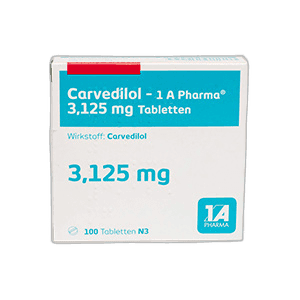
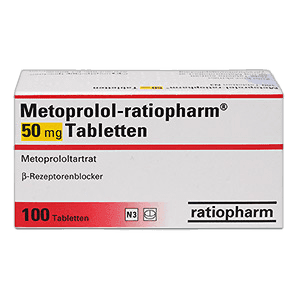
Nebivolol belongs to the third generation because, in addition to classic beta blockade, it has an additional vasodilating effect via nitric oxide (NO). First generation: non-selective (propranolol). Second generation: cardioselective (bisoprolol, metoprolol). Third generation: with an additional vasodilating effect, cardioselective (nebivolol) or non-selective with alpha-1 blockade (carvedilol).
Bisoprolol has been studied more extensively in heart failure. The choice depends on individual needs.
Unlike older beta blockers, nebivolol has no negative effect on glucose and lipid metabolism. It is therefore a good choice even for patients with diabetes or metabolic syndrome. Nevertheless, people with diabetes should check their blood sugar regularly.
Similar Medications
Is Nebivolol right for you?
A licensed doctor will review your information and issue a prescription if suitable. Discreet and secure.
Important Notice
This information does not replace medical advice. If you have questions about your health or the suitability of this medication, please consult a doctor or pharmacist.
Important Safety Information
This service operates under German pharmaceutical law (HWG). For risks and side effects, read the package leaflet and consult your doctor or pharmacist. All medications are dispensed from a licensed pharmacy in Germany.