
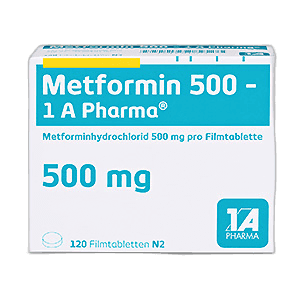
What is Metformin?
Metformin is an oral antidiabetic medication from the biguanide class and is considered the first-line treatment for type 2 diabetes mellitus. It lowers blood sugar levels without causing low blood sugar (hypoglycemia).
Metformin is available under various brand names, including Glucophage®, Siofor®, and Metformin Lich®. Numerous generics are available.
The active ingredient is usually used as long-term therapy and is often combined with other antidiabetic medications or insulin when blood sugar control with metformin alone is not sufficient.
Active Ingredients & Mechanism of Action
Active ingredient: Metformin (Metforminhydrochlorid)
Metformin acts on glucose metabolism through several mechanisms:
Inhibition of glucose production in the liver:
- Reduces hepatic gluconeogenesis (the formation of new glucose)
- This is the most important mechanism of action
Improvement of insulin sensitivity:
- Increases glucose uptake into muscle and fat cells
- The body's cells respond better again to the body's own insulin
Delayed glucose absorption in the intestine:
- Slows the absorption of sugar from food
Advantages:
- No increased risk of hypoglycemia when used alone
- Weight-neutral to slightly weight-reducing
- Proven cardiovascular benefit
Who is it suitable for?
Metformin is suitable for:
- Adults with type 2 diabetes mellitus
- As the first drug therapy after lifestyle changes
- In combination with other antidiabetic medications or insulin
- Overweight patients with type 2 diabetes (particular benefit)
Not suitable:
- Type 1 diabetes
- Severe impairment of kidney function (eGFR < 30 ml/min)
- Acute conditions with a risk of lactic acidosis
- Breastfeeding
Available Dosages
Available strengths:
- 500 mg film-coated tablets
- 850 mg film-coated tablets
- 1000 mg film-coated tablets
Extended-release tablets:
- 500 mg, 750 mg, 1000 mg (extended release)
Usual dosage:
- Starting dose: 500 mg 1-2x daily or 850 mg 1x daily
- Increase every 1-2 weeks
- Maximum dose: 3000 mg/day (usual: 2000 mg/day)
Dosage form and pack sizes
The medicines catalogue lists one pack variant: one strength in one pack size.
- Dosage form
- Filmtablette
- Strengths
- 850 mg
- Pack sizes
- 120 units
| Strength | Pack | PZN | Duration |
|---|---|---|---|
| 850 mg | 120 units | 00079527 | 60 days |
Packs listed in the German medicines catalogue. Which of them are currently available and what they cost is shown in the price overview.
The Pharmazentralnummer (PZN) is the nationwide unique identifier of a pack in Germany.
Duration is the catalogue value for the usual dosage. How long a pack actually lasts depends on the dose your doctor prescribes.
How to Take
How to take:
- Take with or after meals (reduces gastrointestinal complaints)
- Swallow the tablets whole with water, without chewing
- Do not split or chew extended-release tablets
Dosing schedule (typical):
- Weeks 1-2: 500 mg in the evening
- Weeks 3-4: 500 mg in the morning and in the evening
- Then, if needed, increase to 3x 500 mg or 2x 1000 mg
Important notes:
- Take regularly, even if you have no symptoms
- Stop before or at the latest at the time of examinations with iodinated contrast agents and resume no earlier than 48 h afterward, once your kidney function has been rechecked and is stable
- In case of surgery, pause as instructed by your doctor
- Attend regular kidney function checks
Contraindications
Metformin must not be taken in cases of:
- Severe renal insufficiency (eGFR < 30 ml/min)
- Diabetic ketoacidosis or diabetic precoma
- Acute conditions with a risk of kidney damage (dehydration, severe infections, shock)
- Hepatic insufficiency
- Alcohol intoxication, alcoholism
- Decompensated heart failure (acute and unstable)
- Conditions with tissue hypoxia (cardiovascular shock, respiratory insufficiency)
Use with caution in cases of:
- Impaired kidney function (eGFR 30-45 ml/min: max. 1000 mg/day)
- Elderly patients (more frequent kidney function checks)
- Iodinated contrast agents (stop before or at the latest at the time of the examination, resume no earlier than 48 h afterward, once your kidney function has been rechecked and is stable)
Pregnancy/breastfeeding: If clinically necessary, metformin may be considered during pregnancy and in the period around conception, in addition to or as an alternative to insulin. Breastfeeding while taking metformin is not recommended.
Possible Side Effects
Very common (>10%):
- Nausea
- Vomiting
- Diarrhea
- Abdominal pain
- Loss of appetite
Note: These complaints occur mainly at the start of treatment and usually improve after a few weeks. Taking the medication with food and increasing the dose slowly help.
Common (1-10%):
- Taste disturbances (metallic)
- Vitamin B12 deficiency with long-term use
Very rare:
- Lactic acidosis (potentially life-threatening)
- Liver function disorders
- Skin reactions
Long-term: If you take it for years, have your vitamin B12 levels checked regularly.
Interactions
Alcohol: Increased risk of lactic acidosis. Avoid excessive alcohol consumption.
Contrast agents (iodinated): Stop metformin before or at the latest at the time of the examination and resume no earlier than 48 hours afterward, once your kidney function has been rechecked and is stable. Risk of kidney damage.
Caution when taking at the same time as:
- ACE inhibitors, diuretics – kidney function may worsen
- Corticosteroids – may raise blood sugar
- Other antidiabetic medications or insulin – the risk of hypoglycemia increases in combination
Interactions via the kidneys: Medications that affect kidney function require special monitoring.
Frequently Asked Questions
Gastrointestinal complaints are the most common side effect, especially at the start of treatment. Take metformin with food and increase the dose slowly. Extended-release tablets (e.g., Metformin ret.) are often better tolerated. If the complaints persist, talk to your doctor.
Metformin alone does not cause low blood sugar (hypoglycemia). The risk only arises in combination with insulin or sulfonylureas.
Type 2 diabetes is a chronic disease. Metformin is usually taken long-term. If blood sugar control is very good as a result of lifestyle changes (weight loss, exercise, diet), the doctor may consider reducing the dose or stopping the medication.
Metformin can support slight weight loss because it reduces appetite and improves insulin resistance. However, it is not a weight-loss medication and is not prescribed for weight reduction alone.
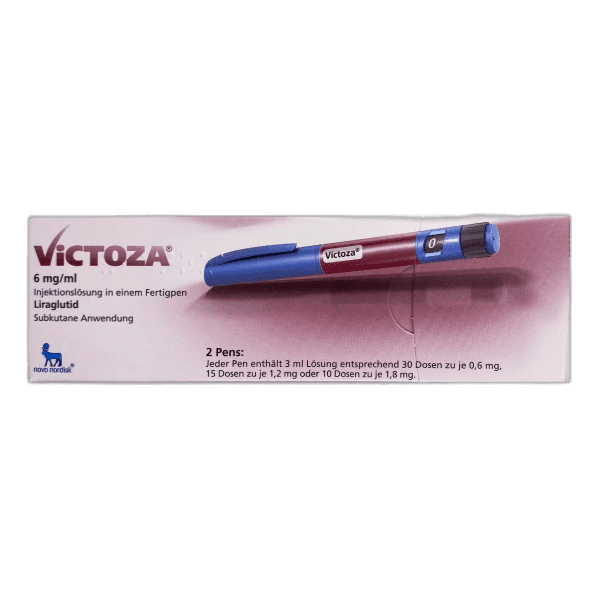
Similar Medications
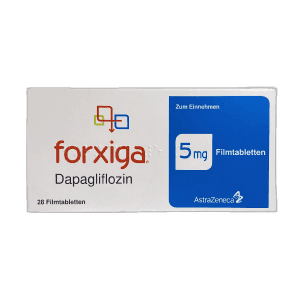
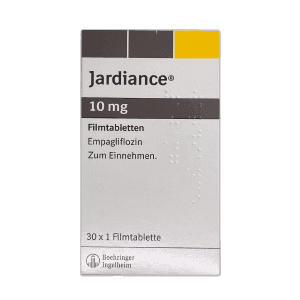
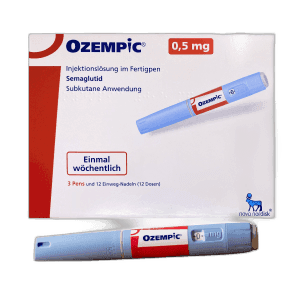
Is Metformin right for you?
A licensed doctor will review your information and issue a prescription if suitable. Discreet and secure.
Important Notice
This information does not replace medical advice. If you have questions about your health or the suitability of this medication, please consult a doctor or pharmacist.
Important Safety Information
This service operates under German pharmaceutical law (HWG). For risks and side effects, read the package leaflet and consult your doctor or pharmacist. All medications are dispensed from a licensed pharmacy in Germany.