
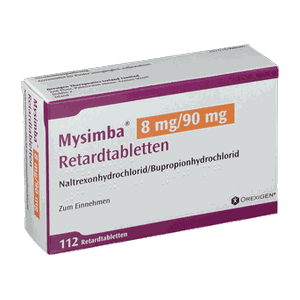
What is Mysimba?
Mysimba is an oral medication for weight reduction that combines two active ingredients: naltrexone (an opioid antagonist) and bupropion (an antidepressant/smoking cessation aid).
Unlike the GLP-1 agonists (Wegovy, Ozempic), Mysimba acts primarily in the brain, on the reward and satiety center. It is taken as a tablet, not injected.
Mysimba is approved for adults with a BMI ≥ 30 or a BMI ≥ 27 with comorbidities.
Active Ingredients & Mechanism of Action
Active ingredient: Naltrexon 8 mg, Bupropion 90 mg
The combination acts synergistically on the brain:
Bupropion:
- Inhibits the reuptake of dopamine and norepinephrine
- Stimulates neurons in the hypothalamus that regulate appetite
- Reduces the craving for food
Naltrexone:
- Blocks opioid receptors
- Enhances and prolongs the effect of bupropion
- Reduces the feeling of reward from eating
Together:
- Decreased appetite
- Reduced craving for food (especially "emotional eating")
- Increased energy expenditure
Who is it suitable for?
Mysimba is suitable for:
- Adults with a BMI ≥ 30 (obesity)
- Adults with a BMI ≥ 27 and at least one weight-related comorbidity
- In each case as an adjunct to a reduced-calorie diet and increased physical activity
- As an alternative to injectable medications
Not suitable in cases of uncontrolled high blood pressure, epilepsy, eating disorders.
Available Dosages
Gradual dose escalation:
- Week 1: 1 tablet in the morning
- Week 2: 1 tablet in the morning + 1 in the evening
- Week 3: 2 tablets in the morning + 1 in the evening
- From week 4: 2 tablets in the morning + 2 in the evening (maintenance dose)
Maximum dose: 4 tablets daily (2-0-2)
How to Take
- Swallow the tablets whole, without chewing, with water
- Preferably with meals
- Not with a high-fat meal (increases the risk of seizures)
- Follow the dose escalation as prescribed
Contraindications
Absolute contraindications:
- Uncontrolled high blood pressure
- Epilepsy or a history of seizures
- Tumor of the central nervous system
- Alcohol or benzodiazepine withdrawal
- Bulimia or anorexia
- Concurrent use of MAO inhibitors
- Opioid use or opioid withdrawal
- Severe hepatic insufficiency
- Bipolar disorder (including a past history)
- End-stage renal insufficiency
Relative contraindications:
- Severe depression
- Moderate or severe renal impairment (no more than 2 tablets daily)
Possible Side Effects
Very common:
- Nausea
- Constipation
- Headache
- Vomiting
Common:
- Dizziness
- Dry mouth
- Sleep disturbances
- Anxiety, irritability
- Increase in blood pressure
- Abdominal pain
Rare but serious:
- Seizures (risk increased with rapid dose escalation)
Frequency not known, but serious:
- Suicidal thoughts (monitor in patients with a psychiatric history)
Interactions
Contraindicated:
- MAO inhibitors (14-day interval)
- Opioids (naltrexone blocks their effect!)
- Other bupropion products
Caution:
- Medications that raise blood pressure
- Medications that lower the seizure threshold
- CYP2D6 substrates (tamoxifen, metoprolol)
Frequently Asked Questions
In studies, participants lost an average of 5-10% of their body weight. That is less than with GLP-1 agonists, but Mysimba is taken orally.
Bupropion is also approved as an antidepressant. Mysimba itself is approved for weight management. It can nevertheless have a positive effect on mood.
No! Naltrexone blocks the effect of opioids. If pain medication is needed (e.g., before surgery), Mysimba must be stopped in good time.
No, in Germany Mysimba is not reimbursed by the statutory health insurance funds. The costs must be paid out of pocket.
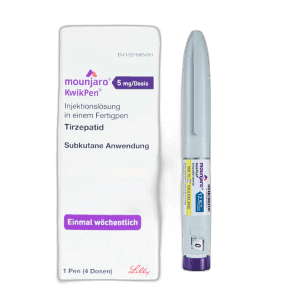
Similar Medications
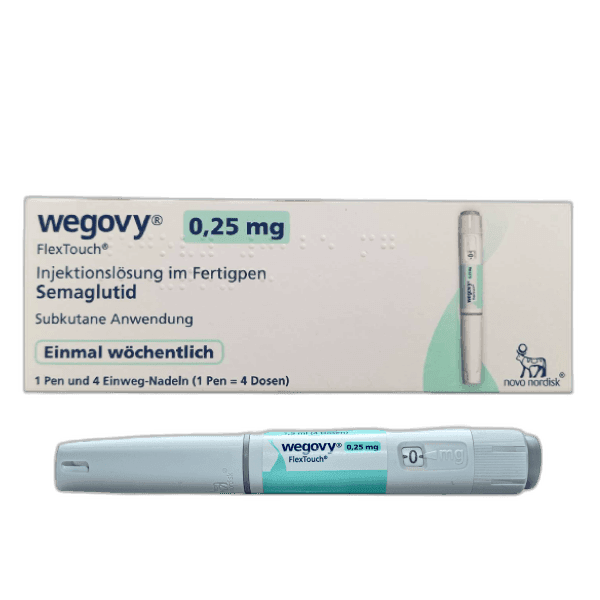
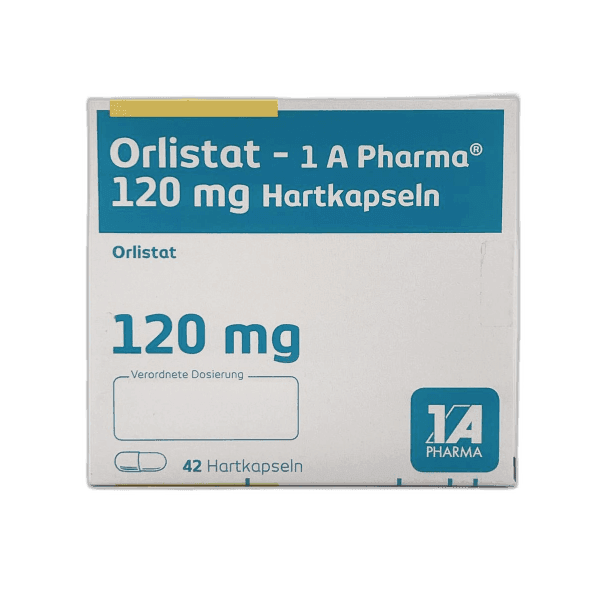
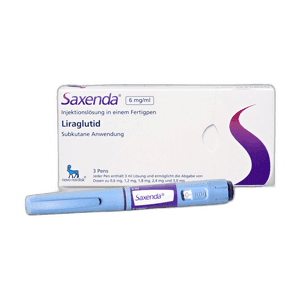
Is Mysimba right for you?
A licensed doctor will review your information and issue a prescription if suitable. Discreet and secure.
Important Notice
This information does not replace medical advice. If you have questions about your health or the suitability of this medication, please consult a doctor or pharmacist.
Important Safety Information
This service operates under German pharmaceutical law (HWG). For risks and side effects, read the package leaflet and consult your doctor or pharmacist. All medications are dispensed from a licensed pharmacy in Germany.