
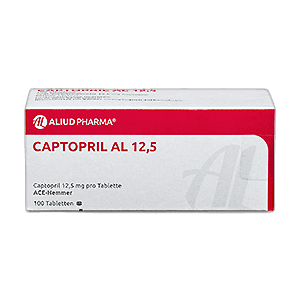
What is Captopril?
Captopril was the first approved ACE inhibitor and has been in use since the 1980s. It is used to treat high blood pressure, heart failure, after a heart attack, and in diabetic nephropathy.
It usually has to be taken two to three times a day, which is a disadvantage compared with newer ACE inhibitors.
Active Ingredients & Mechanism of Action
Active ingredient: Captopril
Captopril directly inhibits the ACE enzyme:
Mechanism of action:
- Direct ACE inhibition (not a prodrug)
- Rapid onset of action (15-30 minutes)
- Short duration of action (6-12 hours)
- Lowers blood pressure by dilating blood vessels
Special feature:
- Contains a sulfhydryl group (SH group)
- Fastest onset of action of all ACE inhibitors
- Short half-life requires multiple daily doses
Who is it suitable for?
Captopril is suitable for:
- Adults with high blood pressure
- Heart failure
- After a heart attack
- Diabetic nephropathy (type 1 diabetes)
Particularly suitable:
- When a rapid onset of action is desired
- Diagnostic purposes (captopril test for renal artery stenosis)
Not suitable:
- Pregnancy
- Breastfeeding premature infants and during the first weeks after delivery
- History of angioedema
- Patients who prefer a once-daily dose
Available Dosages
High blood pressure:
- Starting dose: 12.5-25 mg twice daily
- Usual dose: 25-50 mg twice daily
- Maximum dose: 150 mg daily
Heart failure:
- Starting dose: 6.25-12.5 mg three times daily
- Target dose: 50 mg three times daily
Available strengths:
- 12.5 mg, 25 mg, 50 mg tablets
Dosage form and pack sizes
The medicines catalogue lists 2 pack variants: 2 strengths in one pack size.
- Dosage form
- Tablette
- Strengths
- 25 mg, 50 mg
- Pack sizes
- 100 units
| Strength | Pack | PZN | Duration |
|---|---|---|---|
| 25 mg | 100 units | 01015156 | 50 days |
| 50 mg | 100 units | 01015239 | 50 days |
Packs listed in the German medicines catalogue. Which of them are currently available and what they cost is shown in the price overview.
The Pharmazentralnummer (PZN) is the nationwide unique identifier of a pack in Germany.
Duration is the catalogue value for the usual dosage. How long a pack actually lasts depends on the dose your doctor prescribes.
How to Take
How to take:
- Two to three times daily
- Take on an empty stomach (1 hour before meals)
- Meals reduce absorption by 30-40%
- Take with water
Important notes:
- Regular laboratory tests (kidneys, potassium, blood count)
- Do not stop abruptly
- Self-monitoring of blood pressure recommended
Contraindications
Captopril must not be taken in the following cases:
- Hypersensitivity to captopril or other ACE inhibitors
- History of angioedema
- Pregnancy in the 2nd and 3rd trimester
- Bilateral renal artery stenosis
- Concomitant use of sacubitril/valsartan (at least 36 hours apart when switching)
- Concomitant use with aliskiren in diabetes mellitus or impaired kidney function (GFR below 60 ml/min/1.73 m²)
Use with caution in:
- Impaired kidney function
- Collagen vascular diseases (increased risk of blood count changes)
- Immunosuppressive therapy
- Aortic stenosis
- High potassium levels
Pregnancy and breastfeeding: Captopril is not recommended in the 1st trimester of pregnancy and is contraindicated in the 2nd and 3rd trimesters. Treatment should not be started during pregnancy. If pregnancy is detected, treatment must be stopped immediately and, if necessary, another therapy started. Captopril is not recommended when breastfeeding premature infants or in the first weeks after delivery. If the infant is older, use during breastfeeding may be considered if treatment is necessary for the mother and the infant is carefully monitored.
Possible Side Effects
Common (1-10%):
- Dry, irritating cough
- Taste disturbances (metallic taste)
- Skin rash
- Dizziness
Uncommon (0.1-1%):
- Drop in blood pressure
- Gastrointestinal complaints
- Proteinuria
- Elevated potassium levels
Rare:
- Angioedema
- Neutropenia/agranulocytosis (especially in renal insufficiency and collagen vascular diseases)
- Severe skin reactions
Special feature: Taste disturbances occur more frequently with captopril than with newer ACE inhibitors, due to the SH group.
Interactions
Important interactions:
- Potassium-sparing diuretics → hyperkalemia
- NSAIDs → reduced effect, kidney damage
- Lithium → increased levels
- Antacids → reduced absorption of captopril
- Probenecid → increased captopril levels
Food intake: Meals reduce bioavailability by 30-40%. Taking it on an empty stomach is recommended.
Caution:
- Allopurinol (hypersensitivity reactions)
- Procainamide (blood count changes)
Frequently Asked Questions
Food reduces the absorption of captopril by about 30-40%. For a reliable effect, it should therefore be taken one hour before meals. With other ACE inhibitors such as ramipril, this does not matter.
Captopril has to be taken two to three times a day on an empty stomach, which is impractical. Newer ACE inhibitors such as ramipril or lisinopril work with a single daily dose.
If your blood pressure is severely elevated (above 180/120 mmHg) with symptoms such as headache or visual disturbances: call an emergency doctor. If values are very high without symptoms, still seek medical help promptly.
Similar Medications
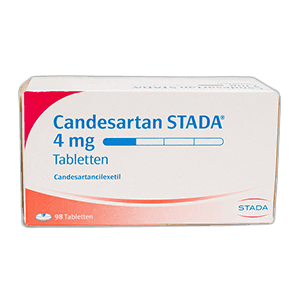
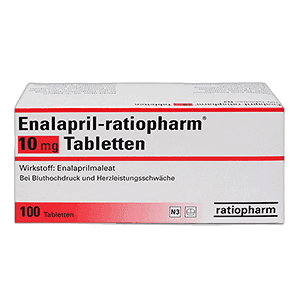
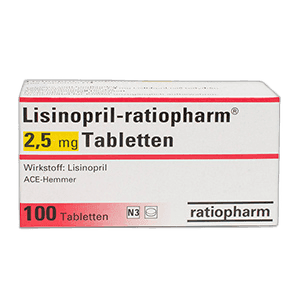
Is Captopril right for you?
A licensed doctor will review your information and issue a prescription if suitable. Discreet and secure.
Important Notice
This information does not replace medical advice. If you have questions about your health or the suitability of this medication, please consult a doctor or pharmacist.
Important Safety Information
This service operates under German pharmaceutical law (HWG). For risks and side effects, read the package leaflet and consult your doctor or pharmacist. All medications are dispensed from a licensed pharmacy in Germany.