
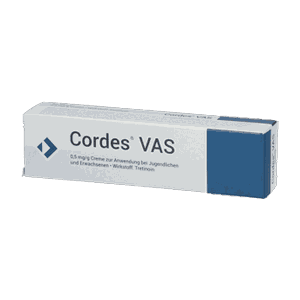
What is Tretinoin Cream?
Tretinoin (all-trans retinoic acid) is the oldest topical retinoid. It has been used to treat acne since the 1960s.
Unlike newer retinoids such as adapalene, tretinoin is not photostable and must be applied in the evening. It is more irritating than adapalene. Many people know it by the brand name Retin-A®.
Tretinoin is also used off-label for anti-aging treatment.
Active Ingredients & Mechanism of Action
Active ingredient: Tretinoin 0,025-0,1%
Tretinoin binds directly to retinoid receptors:
Mechanism of action:
- Binds to RAR (retinoic acid receptors)
- Activates specific genes
- Alters gene expression in skin cells
Effects on acne:
- Normalizes keratinization in the follicles
- Prevents microcomedone formation
- Dissolves existing comedones
- Has anti-inflammatory properties
Effects on the skin:
- Accelerates skin turnover
- Stimulates collagen production
- Thins the stratum corneum
- Thickens the epidermis
Important: Since tretinoin is light-sensitive and makes the skin more sensitive, evening application and sun protection are essential.
Who is it suitable for?
Tretinoin is suitable for:
- Acne vulgaris (all forms)
- Comedone-predominant acne
- Anti-aging treatment
- Hyperpigmentation
Advantages:
- Dual: acne + anti-aging
- Long-term use possible
Limitations:
- Stronger irritation than adapalene
- Not photostable (evenings only)
- Not during pregnancy
- Longer adjustment period needed
Available Dosages
Concentrations:
- 0.025% (low – for getting used to it)
- 0.05% (standard)
- 0.1% (high – if well tolerated)
Dosage forms:
- Cream (for dry skin)
- Gel (for oily skin)
- Solution (for scalp/large areas)
Recommendation: Start with a low concentration (0.025%) and increase if well tolerated.
How to Take
Application (evening): 1. Cleanse your face with a mild cleanser 2. Wait 20-30 minutes (important for dry skin!) 3. Spread a pea-sized amount over the entire face 4. Avoid sensitive areas (eyelids, corners of the mouth) 5. Wait 20 minutes, then apply a moisturizer if needed
Adjustment schedule:
- Weeks 1-2: Every 3rd day
- Weeks 3-4: Every 2nd day
- From week 5: Daily (if tolerated)
Important:
- Apply only in the evening (light-sensitive)
- Sun protection SPF 30+ in the morning
- Avoid retinol products
- No peels, no other acids at first
Contraindications
Do not use in case of:
- Pregnancy (teratogenic!)
- Breastfeeding
- Hypersensitivity to retinoids
- Acute eczema, sunburn
- Perioral dermatitis, rosacea
Pregnancy prevention: Women of childbearing age must use reliable contraception. If you wish to have children, stop using it at least 1 month beforehand.
Use with caution in case of:
- Sensitive skin
- Atopic dermatitis
- Simultaneous use of other irritating products
Possible Side Effects
Very common (retinoid dermatitis):
- Dry skin
- Peeling
- Redness
- Burning, stinging
- These reactions improve after 2-4 weeks
Common:
- Increased sensitivity to sunlight
- Initial worsening of acne (purging)
- Itching
Uncommon:
- Hyperpigmentation (with incorrect use)
- Contact dermatitis
Purging: In the first 4-8 weeks, acne may get worse. This is normal!
Interactions
Do not combine with:
- Other retinoids
- Benzoyl peroxide (possible if applied at different times)
- AHA/BHA in high concentrations (at first)
- Sulfur, resorcinol
Can be combined after the adjustment period:
- Benzoyl peroxide (in the morning)
- Azelaic acid
- Niacinamide
Note: Vitamin C (L-ascorbic acid) can inactivate tretinoin – apply separately (vit. C in the morning, tretinoin in the evening).
Frequently Asked Questions
Tretinoin 0.05% and adapalene 0.1% are about equally effective for acne. However, tretinoin is more irritating. Adapalene is more stable and is easier to combine with benzoyl peroxide.
'Purging' is normal. Tretinoin speeds up the skin cycle, so hidden blemishes come to the surface faster.
Yes, tretinoin can be used long-term. For acne as maintenance therapy 2-3x per week, for anti-aging on an ongoing basis. The skin gets used to it.
Damp skin absorbs tretinoin more strongly, which leads to more irritation. On dry skin, the active ingredient spreads more evenly and it is better tolerated.
Tretinoin cream is approved for the treatment of acne vulgaris. For wrinkles, tretinoin is used off-label.
Similar Medications
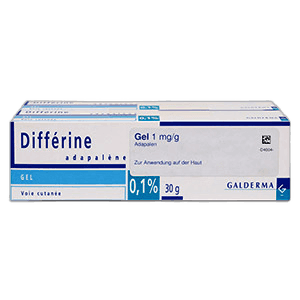
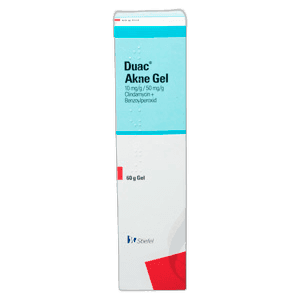
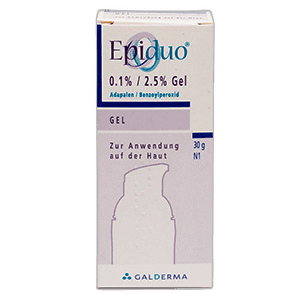
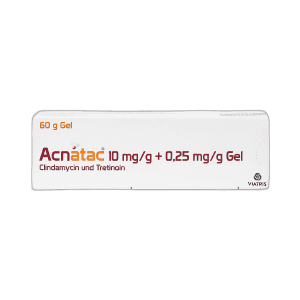
Is Tretinoin Cream right for you?
A licensed doctor will review your information and issue a prescription if suitable. Discreet and secure.
Important Notice
This information does not replace medical advice. If you have questions about your health or the suitability of this medication, please consult a doctor or pharmacist.
Important Safety Information
This service operates under German pharmaceutical law (HWG). For risks and side effects, read the package leaflet and consult your doctor or pharmacist. All medications are dispensed from a licensed pharmacy in Germany.