
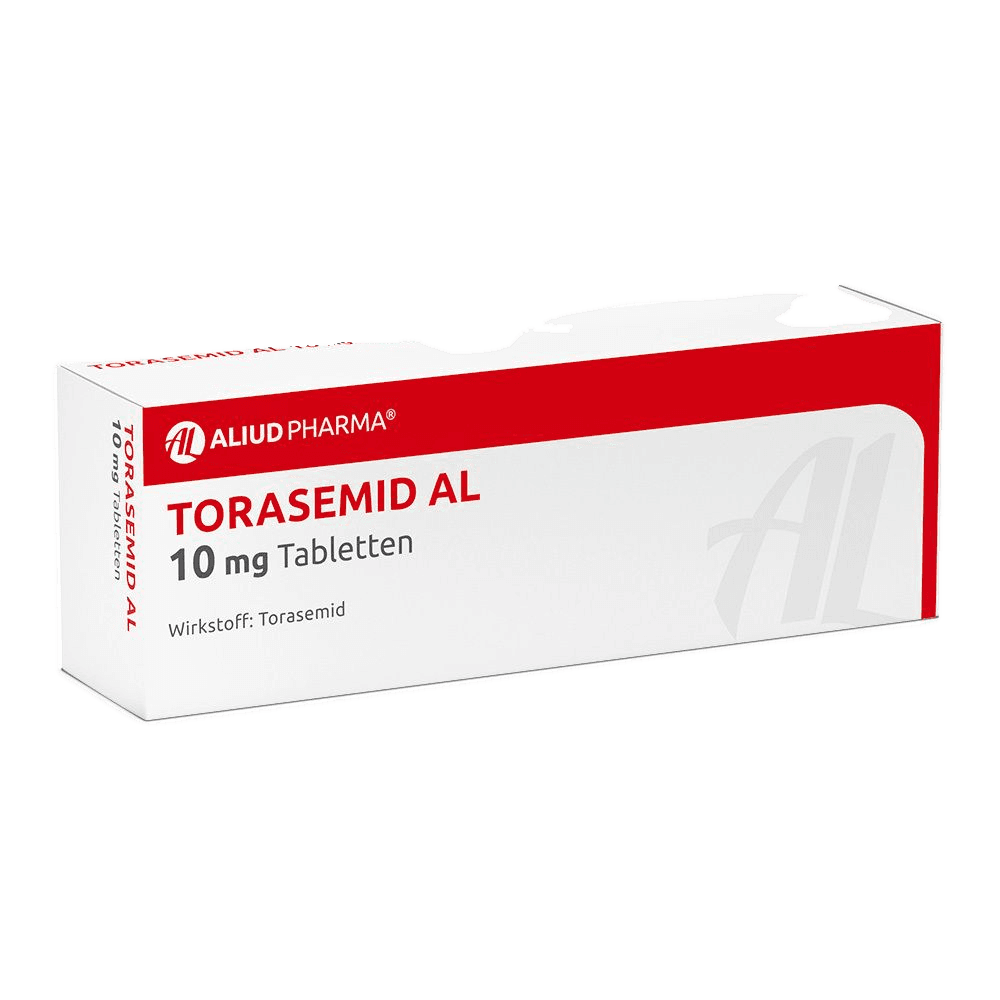
What is Torasemide?
Torasemide is a newer-generation loop diuretic and a further development of furosemide. It is used for high blood pressure and for edema resulting from heart failure, kidney disease, or liver disease.
Compared with furosemide, torasemide shows higher and more reliable bioavailability (80-100% vs. 50-70% with furosemide), a longer duration of action (12-16 hours), less potassium loss, and no rebound sodium retention. Well-known products include Torasemid HEXAL®, Torasemid-ratiopharm, and Torem®.
At the low dose of 2.5-5 mg, torasemide is also used as a mild diuretic for high blood pressure, similar to a thiazide.
Active Ingredients & Mechanism of Action
Active ingredient: Torasemid
Torasemide inhibits the NKCC2 cotransporter in the loop of Henle:
Mechanism of action:
- Inhibits the reabsorption of sodium, potassium, and chloride
- Promotes water excretion
- Lowers blood volume and blood pressure
Compared with furosemide:
- Higher bioavailability (80-100% orally)
- More consistent absorption (less variable)
- Longer duration of action (12-16 hours vs. 4-6 hours)
- Less potassium loss
- No rebound sodium retention after the effect wears off
- Additional aldosterone-antagonistic effect
Antihypertensive effect: At a low dose (2.5-5 mg), torasemide acts similarly to a thiazide diuretic and lowers blood pressure without strong fluid removal. At higher doses (10-200 mg), it acts as a potent loop diuretic.
Onset of action: Orally after 1 hour. Maximum effect after 1-2 hours. Duration of action: 12-16 hours.
Who is it suitable for?
Torasemide is suitable for:
- Adults with high blood pressure (low dose)
- Edema in heart failure
- Edema in kidney disease
- Edema in liver cirrhosis
Particularly recommended for:
- Heart failure (the TORAFIC study shows advantages over furosemide)
- Patients with potassium loss on furosemide
- When more even fluid removal is desired
- High blood pressure as a mild diuretic therapy
Not suitable:
- Anuria
- Severe hypovolemia
- Severe electrolyte disturbances
- Hepatic encephalopathy
- Hypersensitivity to torasemide or sulfonylureas
Available Dosages
High blood pressure:
- Usual dose: 2.5-5 mg once daily
- Maximum dose for high blood pressure: 5 mg daily
Edema in heart failure:
- Starting dose: 5-10 mg once daily
- Usual dose: 10-20 mg once daily
- Maximum dose: 20 mg daily
Edema in renal insufficiency:
- 20-200 mg once daily
Edema in liver cirrhosis:
- 5-10 mg once daily (with a potassium-sparing diuretic)
Available strengths:
- 2.5 mg, 5 mg, 10 mg, 20 mg, 50 mg, 100 mg, 200 mg tablets
Dosage form and pack sizes
The medicines catalogue lists 2 pack variants: 2 strengths in one pack size.
- Dosage form
- Tablette
- Strengths
- 5 mg, 10 mg
- Pack sizes
- 100 units
| Strength | Pack | PZN | Duration |
|---|---|---|---|
| 5 mg | 100 units | 04008671 | 100 days |
| 10 mg | 100 units | 01671423 | 100 days |
Packs listed in the German medicines catalogue. Which of them are currently available and what they cost is shown in the price overview.
The Pharmazentralnummer (PZN) is the nationwide unique identifier of a pack in Germany.
Duration is the catalogue value for the usual dosage. How long a pack actually lasts depends on the dose your doctor prescribes.
How to Take
How to take:
- Once daily, preferably in the morning
- With or without food
- With sufficient water
- Always at the same time of day
Notes:
- Regular laboratory checks (electrolytes, kidney values, blood sugar)
- Check your weight regularly
- Drink enough fluids (as directed by your doctor)
- A potassium-rich diet can be helpful
- In case of vomiting or diarrhea: contact a doctor
Contraindications
Torasemide must not be taken in case of:
- Anuria (no urine production)
- Precomatose or comatose hepatic encephalopathy
- Severe hypokalemia or hyponatremia
- Severe hypovolemia/dehydration
- Hypersensitivity to torasemide or sulfonylureas
- Breastfeeding
Caution in case of:
- Diabetes mellitus (increase in blood sugar)
- Gout/hyperuricemia
- Liver cirrhosis (monitor electrolytes closely)
- Concomitant use of digitalis preparations
- Prostatic hyperplasia
Pregnancy: Only if strictly indicated. Torasemide can cross the placenta and affect fetal diuresis.
Possible Side Effects
Common (1-10%):
- Increased urge to urinate (intended)
- Mild electrolyte shifts
- Dry mouth
- Elevated uric acid
Uncommon (0.1-1%):
- Hypokalemia (less than with furosemide)
- Hyponatremia
- Dizziness, headache
- Gastrointestinal complaints
- Muscle cramps
- Increase in blood sugar
Rare:
- Skin rash
- Photosensitization
- Changes in blood count
- Pancreatitis
- Hearing disorders (at very high doses)
Interactions
Dangerous combinations:
- Aminoglycosides → increased oto- and nephrotoxicity
- Cisplatin → increased nephrotoxicity
- Lithium → increased lithium levels
Caution with:
- Digitalis preparations → potassium loss increases digitalis toxicity
- ACE inhibitors/sartans → increased hypotension (especially with the first dose)
- NSAIDs → reduced diuretic effect
- Corticosteroids → increased potassium loss
- Probenecid → reduced torasemide effect
- Colestyramine → reduced torasemide absorption
Frequently Asked Questions
Differences from furosemide: more reliable absorption, a longer duration of action, less potassium loss, and no rebound water retention. In the TORAFIC study, torasemide showed advantages in preventing fibrosis in heart failure. Many doctors therefore prefer torasemide, especially in heart failure.
Yes, at a low dose (2.5-5 mg), torasemide acts similarly to a thiazide diuretic and lowers blood pressure without strong fluid removal. It is sometimes used as an alternative to hydrochlorothiazide or indapamide.
Torasemide has an additional aldosterone-antagonistic effect that counteracts potassium loss. In addition, diuresis is more even and the total amount of potassium excreted is lower than with the surge-like action of furosemide.
Similar Medications
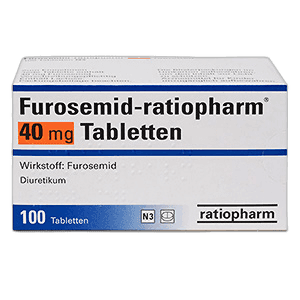
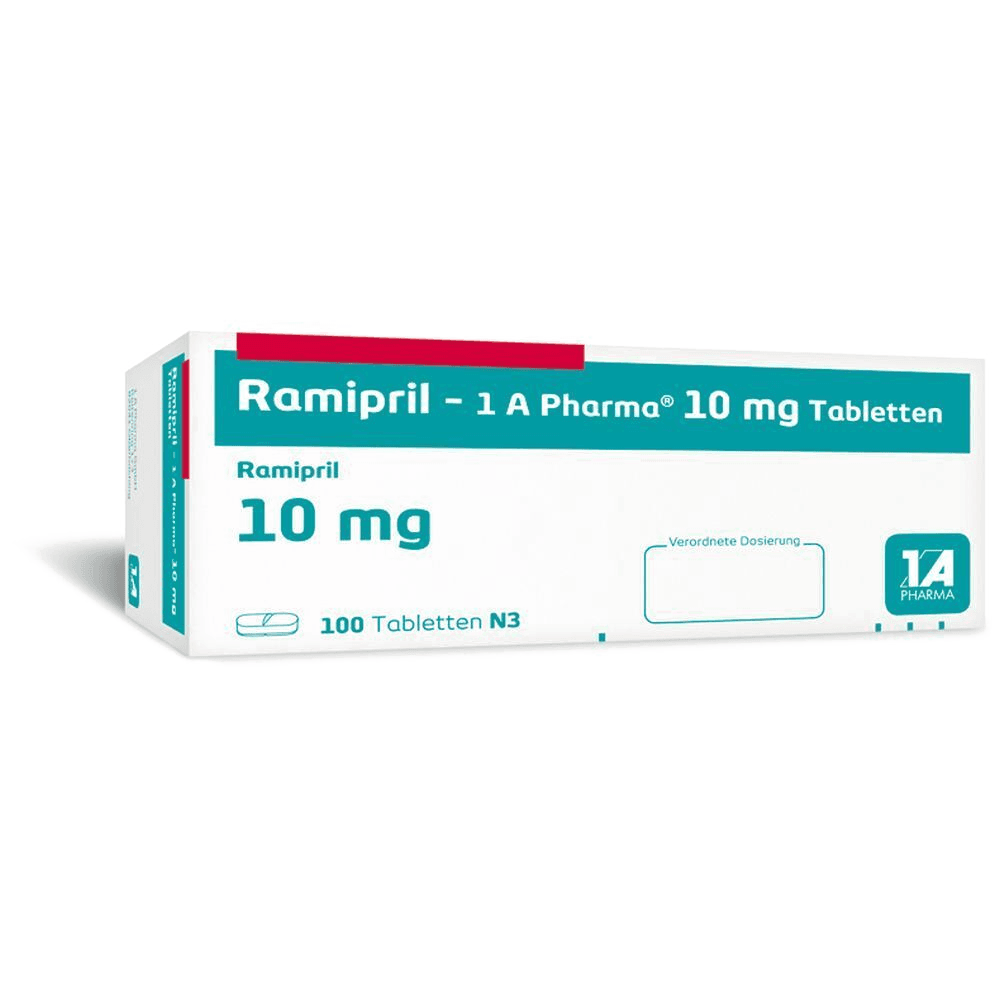
Is Torasemide right for you?
A licensed doctor will review your information and issue a prescription if suitable. Discreet and secure.
Important Notice
This information does not replace medical advice. If you have questions about your health or the suitability of this medication, please consult a doctor or pharmacist.
Important Safety Information
This service operates under German pharmaceutical law (HWG). For risks and side effects, read the package leaflet and consult your doctor or pharmacist. All medications are dispensed from a licensed pharmacy in Germany.