
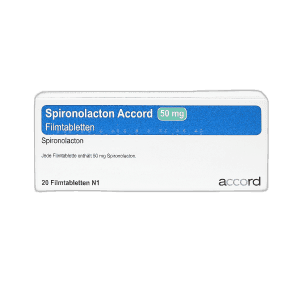
What is Spironolactone?
Spironolactone is an aldosterone antagonist and potassium-sparing diuretic. It inhibits the action of the hormone aldosterone, which is responsible for water and salt retention. Unlike furosemide and torasemide, spironolactone does not cause potassium loss; instead, it conserves potassium.
The RALES study showed that low-dose spironolactone reduces mortality by 30% in severe heart failure – a groundbreaking result. Spironolactone is used for heart failure, treatment-resistant high blood pressure, liver cirrhosis with ascites, and primary hyperaldosteronism.
Spironolactone also has antiandrogenic properties, which are used off-label in women to treat hormonal acne and hirsutism, but in men can lead to gynecomastia (breast enlargement).
Active Ingredients & Mechanism of Action
Active ingredient: Spironolacton
Spironolactone blocks the mineralocorticoid receptor (aldosterone receptor):
Mechanism of action:
- Competitive inhibition of aldosterone at the mineralocorticoid receptor
- Aldosterone can no longer trigger sodium reabsorption and potassium secretion
- Sodium and water are excreted
- Potassium is conserved (potassium-sparing diuretic)
In heart failure:
- Prevents the harmful effects of aldosterone on the heart
- Reduces cardiac fibrosis (scarring)
- Improves endothelial function
- Reduces mortality by 30% (RALES study)
Antiandrogenic effect:
- Blocks androgen receptors
- Inhibits testosterone production
- In women, can: improve acne and hirsutism (off-label use)
- In men, can: cause gynecomastia and erectile dysfunction
Onset of action: Slow onset of action over 2-3 days. Full effect only after 1-2 weeks. Long duration of action due to the active metabolite canrenone (half-life 16-20 hours).
Who is it suitable for?
Spironolactone is suitable for:
- Chronic heart failure (NYHA III-IV, as add-on therapy)
- Treatment-resistant high blood pressure (as a 4th medication)
- Primary hyperaldosteronism (Conn syndrome)
- Liver cirrhosis with ascites and edema
- Hypokalemia caused by other diuretics
Especially recommended for:
- Severe heart failure
- High blood pressure that does not respond to 3 medications
- Conn syndrome (aldosterone-producing adenoma)
- Liver cirrhosis with ascites
Not suitable:
- Severe renal insufficiency (GFR below 30 ml/min)
- Severe hyperkalemia
- Addison's disease
- Anuria
- At the same time as eplerenone
Available Dosages
Heart failure:
- 25-50 mg once daily
- If potassium is below 5.0 mmol/l: 25 mg
- If potassium is above 5.5 mmol/l: reduce the dose or pause treatment
Treatment-resistant high blood pressure:
- 25-50 mg once daily
Liver cirrhosis with ascites:
- Starting dose: 100 mg daily
- Can be increased up to 400 mg daily
- In combination with furosemide (ratio 100:40)
Primary hyperaldosteronism:
- 100-400 mg daily
Available strengths:
- 25 mg, 50 mg, 100 mg tablets
Dosage form and pack sizes
The medicines catalogue lists 2 pack variants: 2 strengths in 2 pack sizes. Pack sizes range from 50 to 100 units.
- Dosage form
- Filmtablette
- Strengths
- 25 mg, 50 mg
- Pack sizes
- 50 units, 100 units
| Strength | Pack | PZN | Duration |
|---|---|---|---|
| 25 mg | 50 units | 02475003 | 50 days |
| 50 mg | 100 units | 03574115 | 100 days |
Packs listed in the German medicines catalogue. Which of them are currently available and what they cost is shown in the price overview.
The Pharmazentralnummer (PZN) is the nationwide unique identifier of a pack in Germany.
Duration is the catalogue value for the usual dosage. How long a pack actually lasts depends on the dose your doctor prescribes.
How to Take
How to take:
- Once daily, preferably in the morning or at midday
- With or after meals (improved absorption)
- With sufficient water
Important notes:
- Close monitoring of potassium (potassium can rise dangerously!)
- No potassium supplements without medical instruction
- No potassium-containing salt substitutes
- Have your kidney function checked regularly
- If potassium is above 5.5 mmol/l: contact a doctor immediately
Monitoring:
- Potassium and creatinine: after 1 week, 4 weeks, then every 3 months
- In heart failure: more frequent monitoring
Contraindications
Spironolactone must not be taken in case of:
- Severe hyperkalemia (above 5.5 mmol/l)
- Severe renal insufficiency (GFR below 30 ml/min)
- Addison's disease (adrenal insufficiency)
- Anuria
- At the same time as eplerenone
- Hypersensitivity to spironolactone
Caution in case of:
- Moderate renal insufficiency (close potassium monitoring)
- Concomitant use of ACE inhibitors/sartans (risk of hyperkalemia!)
- Diabetes mellitus (increased risk of hyperkalemia)
- Concomitant use of NSAIDs
- Elderly patients
Pregnancy and breastfeeding: Contraindicated throughout pregnancy and during breastfeeding. The antiandrogenic effect can disrupt the development of male fetuses.
Possible Side Effects
Common (1-10%):
- Hyperkalemia (most important side effect!)
- Gynecomastia in men (dose-dependent, up to 10%)
- Breast tension and tenderness
- Gastrointestinal complaints
- Fatigue, drowsiness
- Headache
Uncommon (0.1-1%):
- Menstrual disorders in women
- Mood changes in women
- Erectile dysfunction in men
- Skin rash
- Nausea, vomiting
- Muscle cramps
Rare:
- Severe hyperkalemia (life-threatening!)
- Hyponatremia
- Metabolic acidosis
- Elevated liver function tests
- Changes in blood count
Gynecomastia: Breast enlargement in men is dose-dependent and reversible after discontinuation. Alternative in case of intolerance: eplerenone (more selective, less antiandrogenic).
Interactions
Dangerous combinations (risk of hyperkalemia!):
- ACE inhibitors and sartans → close potassium monitoring!
- Potassium supplements → contraindicated
- Other potassium-sparing diuretics (triamterene, amiloride) → contraindicated
- Eplerenone → contraindicated
- Trimethoprim → intensified hyperkalemia
Caution with:
- NSAIDs → reduced diuresis, hyperkalemia
- Lithium → increased lithium levels
- Digoxin → increased digoxin levels
- Antihypertensives → enhanced lowering of blood pressure
Important: The combination of spironolactone with ACE inhibitors/sartans is standard in heart failure, but requires close potassium monitoring. The risk of severe hyperkalemia is real!
Frequently Asked Questions
The RALES study showed that low-dose spironolactone (25 mg) reduces mortality by 30% in severe heart failure. It prevents the harmful effects of aldosterone on the heart and reduces cardiac fibrosis. Today, it is an established part of heart failure therapy.
Spironolactone has an antiandrogenic effect and blocks androgen receptors. In men, this can lead to reversible breast enlargement (gynecomastia) and breast pain. The alternative, eplerenone, causes this side effect much less often.
Very dangerous! A potassium level above 6.0 mmol/l can lead to severe cardiac arrhythmias, up to and including cardiac arrest. That is why regular blood tests are mandatory while taking spironolactone. Avoid potassium supplements and potassium-containing salt substitutes.
Both are aldosterone antagonists. Eplerenone is more selective and causes significantly less gynecomastia and erectile dysfunction. Eplerenone is preferred when spironolactone is not tolerated due to antiandrogenic side effects.
Similar Medications
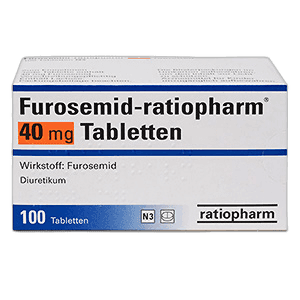
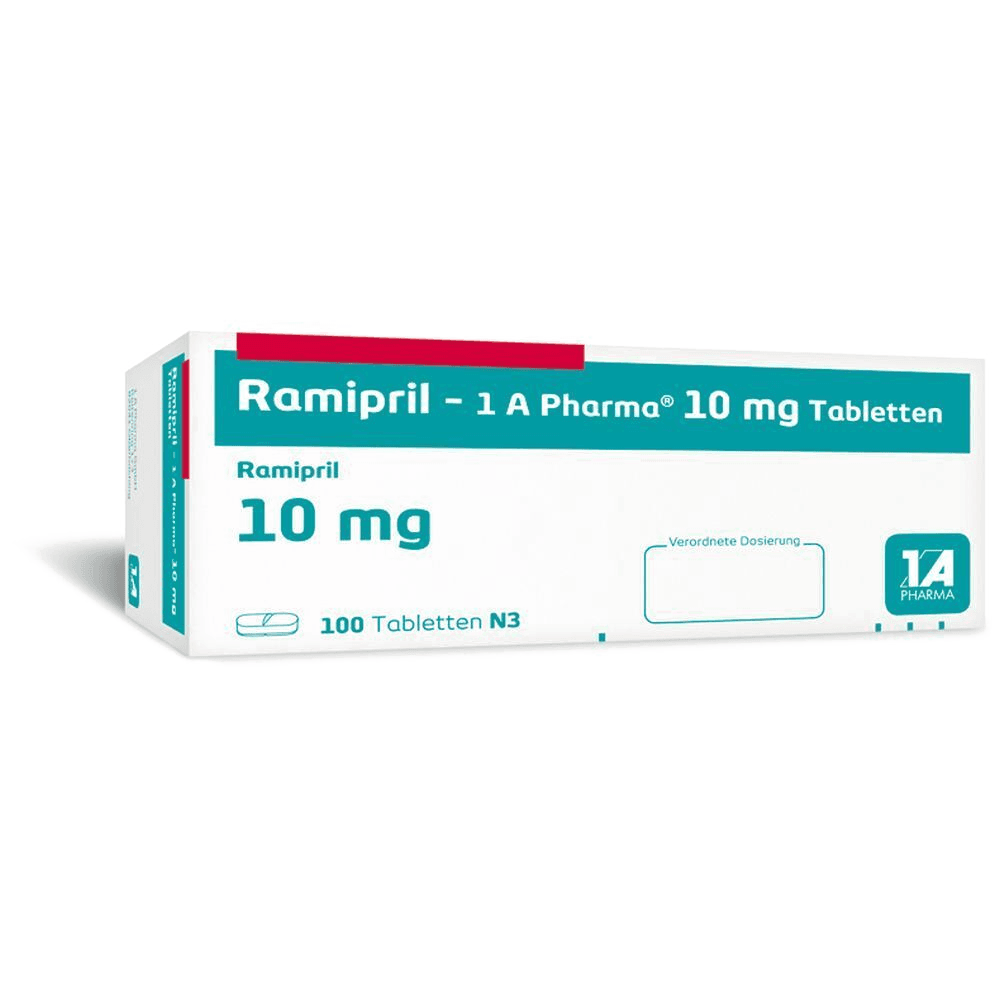
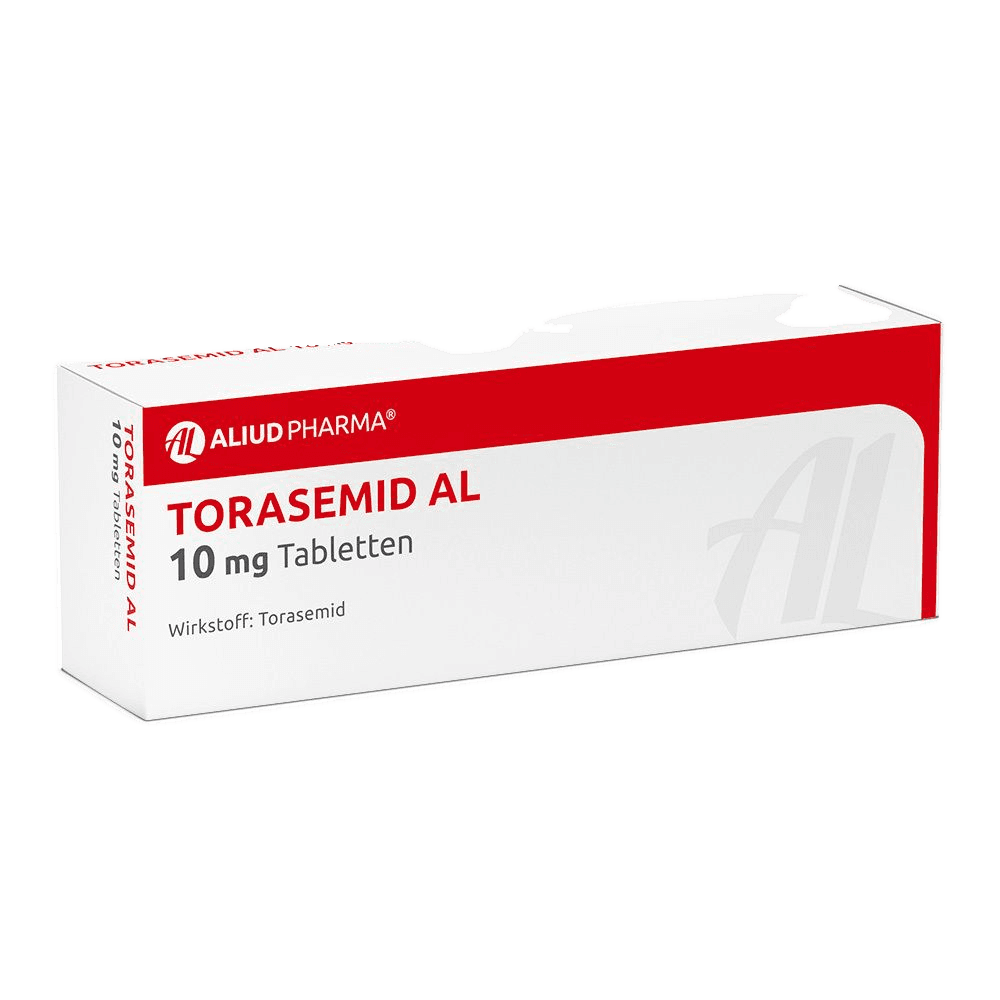
Is Spironolactone right for you?
A licensed doctor will review your information and issue a prescription if suitable. Discreet and secure.
Important Notice
This information does not replace medical advice. If you have questions about your health or the suitability of this medication, please consult a doctor or pharmacist.
Important Safety Information
This service operates under German pharmaceutical law (HWG). For risks and side effects, read the package leaflet and consult your doctor or pharmacist. All medications are dispensed from a licensed pharmacy in Germany.