
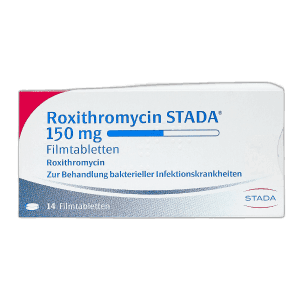
What is roxithromycin?
Roxithromycin is a macrolide antibiotic used in various bacterial infections. It is used, inter alia, in respiratory tract infections, skin and soft tissue infections as well as in urogenital infections.
In gynecological infections, roxithromycin can be used as an alternative, in particular in the case of mixed infections with atypical pathogens (chlamydia, mycoplasma) or incompatibility with penicillins and metronidazole.
Active Ingredients & Mechanism of Action
Active ingredient: Roxithromycin
Active mechanism:
- Inhibits bacterial protein synthesis
- Connects to the 50S subunit of ribosome
- bacteriostatic (in high concentration partially bactericide)
Activity spectrum:
- Gram-positive bacteria (streptoccus, staphylococci)
- Atypical pathogens: Chlamydia trachomatis, Mycoplasma, Ureaplasma
- Some Gram-negative pathogens
Pharmacokinetics:
- Good tissue penetration
- Long half-life (about 12 hours)
- Once or twice daily intake
Who is it suitable for?
Roxithromycin is suitable for:
- Infections with atypical pathogens (chlamydia, mycoplasma)
- Patients with penicillin allergy (as an alternative)
- respiratory infections, skin and soft tissue infections
- Urethritis (non-gonorrhoic)
Not suitable:
- Heavy liver failure
- Simultaneous intake of ergotamine
- hypersensitivity to macrolides
Available Dosages
Standard dosing:
- 150 mg twice a day for 7–14 days
- or 300 mg once a day
Available starches:
- 150 mg, 300 mg tablets
Dosis adjustment:
- In case of severe liver failure, half dose or alternative preparation
How to Take
Intake:
- Take before meals (15 minutes before meals)
- sober intake improves intake
- Swallow tablet in whole with water
Important notes:
- Keep complete therapy cycle
- Don't drop prematurely
- Contact doctor for skin rash or liver complaints
Contraindications
**Roxithromycin must not be taken at:* *
- hypersensitivity to macrolides
- Simultaneous intake of ergotamine/dihydroergotamine
- Heavy liver failure
- Simultaneous intake of Astemizol, Cisaprid, Pimozid
Preview at:
- Liver disease
- QT extension
- Myasthenia gravis
Possible Side Effects
Family (1–10 %):
- nausea, abdominal pain
- diarrhea
- Headaches
- Squeeze
** Occasionally (0.1-1 %):* *
- Skin rash
- Increased liver levels
- Taste disorders
- Candidose
Selten:
- Hepatitis
- QT extension
- Heavy allergic reactions
General: Roxithromycin is generally well tolerated, better than erythromycin with regard to gastrointestinal complaints.
Frequently Asked Questions
Similar Medications
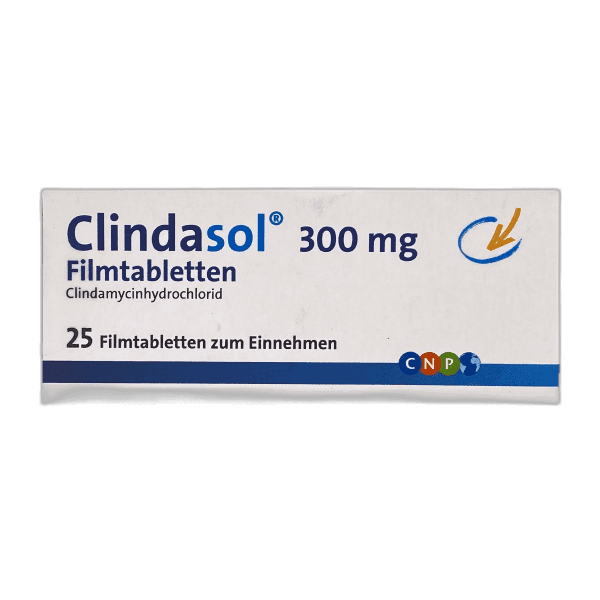

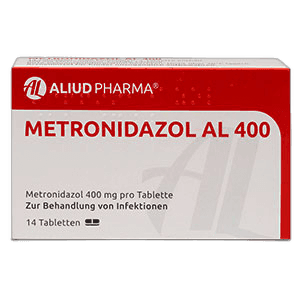
Is roxithromycin right for you?
A licensed doctor will review your information and issue a prescription if suitable. Discreet and secure.
Important Notice
This information does not replace medical advice. If you have questions about your health or the suitability of this medication, please consult a doctor or pharmacist.
Important Safety Information
This service operates under German pharmaceutical law (HWG). For risks and side effects, read the package leaflet and consult your doctor or pharmacist. All medications are dispensed from a licensed pharmacy in Germany.