
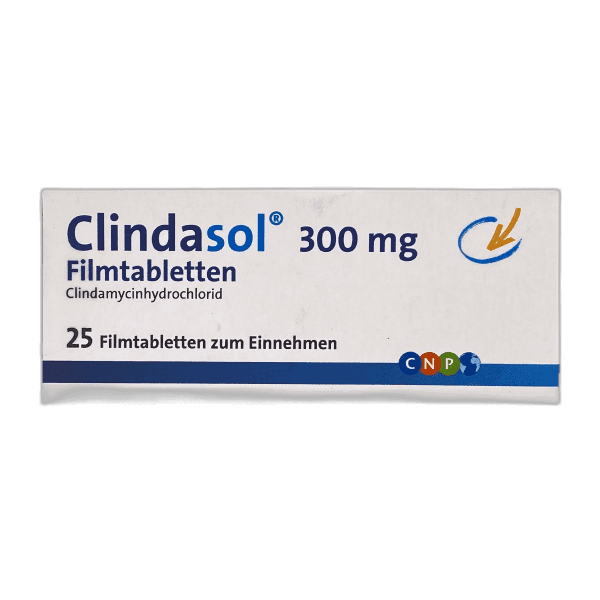
What is clindasol?
Clindasol® and Sobelin® vaginal cream contain the active ingredient clindamycin (2%). The bacterial vaginal vaginal infection is the most common vaginal infection in females with a bearable age and is caused by an imbalance of the vaginal flora (examination of anaerobic bacteria, in particular Gardnerella vaginalis).
Clindamycin vaginal is one of the two standard therapies of bacterial vaginal (beside oral or vaginal metronidazole). The local application has the advantage of lower systemic side effects.
Active Ingredients & Mechanism of Action
Active ingredient: Clindamycin (2 % Vaginalcreme)
Active mechanism:
- Clindamycin inhibits bacterial protein synthesis
- Connects to the 50S subunit of ribosome
- Works bacteriostatic (in high concentration bactericide)
Active spectrum for bacterial vaginal disease:
- Gardnerella vaginalis
- Mobiluncus spp.
- Bacteroides spp.
- Prevotella spp.
- Mycoplasma hominis
Local effect:
- High concentration of active substance directly in the vagina
- Low systemic absorption (about 4% of dose)
- Low gastrointestinal side effects as oral therapy
Who is it suitable for?
Clindamycin vaginal cream is suitable for:
- Women with bacterial vaginal
- Alternative to oral metronidazole
- Women who misuse oral therapies
- Pregnant (according to the doctor)
Not suitable:
- Vaginal candiosis (skin mushroom) – Clindamycin does not affect fungi
- allergy to lindamycin or lincomycin
- C.-difficile infection in history
Available Dosages
Standard therapy:
- 1 applicator filling (approx. 5 g cream = 100 mg clindamycin) intravaginal before bed
- Application time: 3–7 days (depending on preparation and doctor's instructions)
Alternative:
- Clindamycin vaginal capsules (100 mg): 1 capsule intravaginal for 3 days
pregnant:
- Clindamycin vaginal can be used from the 2nd trimester (according to medical prescription)
How to Take
Application: 1. Fill applicator with cream (according to package leaflet) Two. Comfortable back position 3. Carefully introduce applicator into the vagina 4. Bringing cream slowly Five. Remove and dispose of applicator (single applicator)
Important notes:
- Apply before bed (Creme stays better in the vagina)
- Do not use vaginal intercourse or slip inserts during treatment
- Clindamycin vaginal cream can damage latex condoms and diaphragms!
- wearing cotton underwear
- Continue treatment during menstruation
Contraindications
**Clindasol®/Sobelin® must not be used at:* *
- hypersensitivity to clindamycin or lincomycin
- C.-difficile-associated diarrhea in prehistory
- Colitis in history
Preview at:
- Atopic lining (allergic inclination)
- Simultaneous use of latex products (condoms, diaphragms)
- Pregnancy (only after medical instruction)
Possible Side Effects
Family (1–10 %):
- Vaginal Candida infect (skin fungus as a result of antibiotic therapy)
- Vaginal burning, itching
- Vulvovaginitis
** Occasionally (0.1-1 %):* *
- stomach pain
- nausea
- Harnwegsinfekt
- Headaches
Selten:
- C.-difficile-associated diarrhea (also possible with vaginal application!)
- Allergic reactions
** Since clindamycin can also reduce the lactobacilli, a vaginal candiosis subsequently occurs in about 10-15 % of the cases.
Frequently Asked Questions
Similar Medications
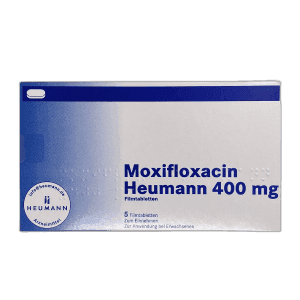
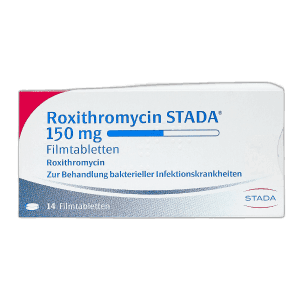
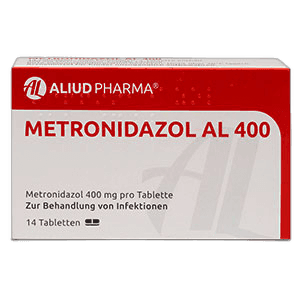
Is clindasol right for you?
A licensed doctor will review your information and issue a prescription if suitable. Discreet and secure.
Important Notice
This information does not replace medical advice. If you have questions about your health or the suitability of this medication, please consult a doctor or pharmacist.
Important Safety Information
This service operates under German pharmaceutical law (HWG). For risks and side effects, read the package leaflet and consult your doctor or pharmacist. All medications are dispensed from a licensed pharmacy in Germany.