
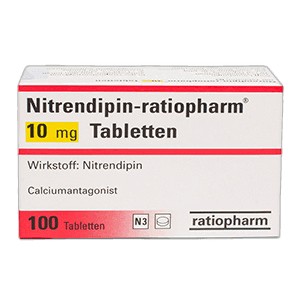
What is Nitrendipine?
Nitrendipine is a dihydropyridine-type calcium channel blocker that has been particularly well studied for the treatment of isolated systolic hypertension in older patients. The Syst-Eur trial showed that nitrendipine can reduce strokes by 42% and dementia by 50% in this patient group.
Nitrendipine is taken once or twice daily depending on the dose and is available as a generic and under the brand name Bayotensin®. It has an intermediate half-life and acts predominantly on the vascular muscle.
Active Ingredients & Mechanism of Action
Active ingredient: Nitrendipin
Nitrendipine blocks L-type calcium channels in the vascular muscle:
Mechanism of action:
- Blocks the influx of calcium into vascular smooth muscle cells
- Arteries and arterioles dilate
- Peripheral vascular resistance decreases
- Blood pressure falls – especially the systolic value
Special features:
- High vascular selectivity
- Little effect on the heart
- Intermediate half-life (8-12 hours)
- Taken once or twice daily, depending on the dose
Clinical significance: The Syst-Eur trial showed that in older patients with isolated systolic hypertension, nitrendipine:
- Reduces strokes by 42%
- Reduces dementia by 50%
- Lowers cardiovascular events by 31%
Onset of action: After 1-2 hours. Maximum effect after 1-2 weeks of regular use.
Who is it suitable for?
Nitrendipine is suitable for:
- Adults with high blood pressure
- In particular: isolated systolic hypertension in older patients
Especially recommended for:
- Older patients (over 60 years) with elevated systolic blood pressure
- When stroke prevention is the priority
- In combination with other blood pressure-lowering drugs
Not suitable:
- Unstable angina pectoris
- Acute myocardial infarction (first 4 weeks)
- Severe heart failure
- Severe aortic stenosis
- Pregnancy and breastfeeding
Available Dosages
High blood pressure:
- Starting dose: 10 mg twice daily (morning and evening) or 20 mg once daily (morning)
- Usual dose: 10-20 mg twice daily
- Maximum dose: 20 mg twice daily (40 mg/day)
Older patients:
- Your doctor sets the dose individually. The lowest dose is 10 mg
- Slow dose increase
Available strengths:
- 10 mg, 20 mg tablets
Dosage form and pack sizes
The medicines catalogue lists 2 pack variants: 2 strengths in one pack size.
- Dosage form
- Filmtablette
- Strengths
- 10 mg, 20 mg
- Pack sizes
- 100 units
| Strength | Pack | PZN | Duration |
|---|---|---|---|
| 10 mg | 100 units | 00366959 | 50 days |
| 20 mg | 100 units | 00227838 | 100 days |
Packs listed in the German medicines catalogue. Which of them are currently available and what they cost is shown in the price overview.
The Pharmazentralnummer (PZN) is the nationwide unique identifier of a pack in Germany.
Duration is the catalogue value for the usual dosage. How long a pack actually lasts depends on the dose your doctor prescribes.
How to Take
How to take:
- Once or twice daily (morning and evening)
- Regardless of meals
- With sufficient water
- Avoid grapefruit juice
Notes:
- Regular blood pressure checks
- Headache and flushing may occur at the start – these usually improve
- Inform your doctor if facial redness is severe
- Do not stop abruptly (consult your doctor)
Contraindications
Nitrendipine must not be taken in cases of:
- Hypersensitivity to nitrendipine or other dihydropyridines
- Unstable angina pectoris
- Acute myocardial infarction (first 4 weeks)
- Severe heart failure
- Severe aortic stenosis
- Cardiogenic shock
Caution in:
- Hepatic impairment (slowed breakdown)
- Tachycardia (reflex increase in heart rate)
- Severe renal impairment
Pregnancy: Contraindicated. Not sufficiently studied in pregnancy.
Possible Side Effects
Common (1-10%):
- Headache
- Facial redness (flushing)
- Dizziness
- Palpitations
- Ankle edema
Uncommon (0.1-1%):
- Gastrointestinal complaints
- Fatigue
- Tachycardia
- Skin rash
Rare:
- Gum overgrowth (gingival hyperplasia)
- Elevated liver enzymes
- Allergic reactions
- Chest pain
- Paresthesias
Note: Flushing and headache are common at the start of therapy, but usually improve after 1-2 weeks. Consult a doctor if symptoms persist.
Interactions
Caution with:
- Grapefruit juice → increased nitrendipine levels (CYP3A4 inhibition)
- CYP3A4 inhibitors (ketoconazole, erythromycin) → enhanced effect
- CYP3A4 inducers (rifampicin, phenytoin) → reduced effect
- Other blood pressure-lowering drugs → increased hypotension
- Digoxin → slight increase in levels possible
- Cimetidine → increased nitrendipine levels
Combines well with:
- ACE inhibitors and sartans
- Beta blockers (prevent reflex tachycardia)
- Diuretics
Alcohol: Increases the blood pressure-lowering effect. Use caution with concurrent consumption.
Frequently Asked Questions
The Syst-Eur trial showed that nitrendipine reduces strokes by 42% and dementia by 50% in older patients with isolated systolic hypertension. These are impressive results that give nitrendipine a special place in this patient group.
The Syst-Eur trial showed a 50% reduction in the incidence of dementia with nitrendipine. Whether this is a specific effect of the medication or due to the lowering of blood pressure has not been conclusively established. In any case, the brain benefits from well-controlled blood pressure.
Not necessarily. Nitrendipine has an intermediate half-life of 8-12 hours. The usual options are either 10 mg twice daily (morning and evening) or 20 mg once daily (morning). If a higher dose is needed, the dose can be increased gradually to 20 mg twice daily (40 mg per day). Your doctor decides how often you take nitrendipine, depending on how severe your high blood pressure is.
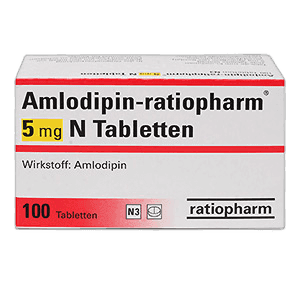
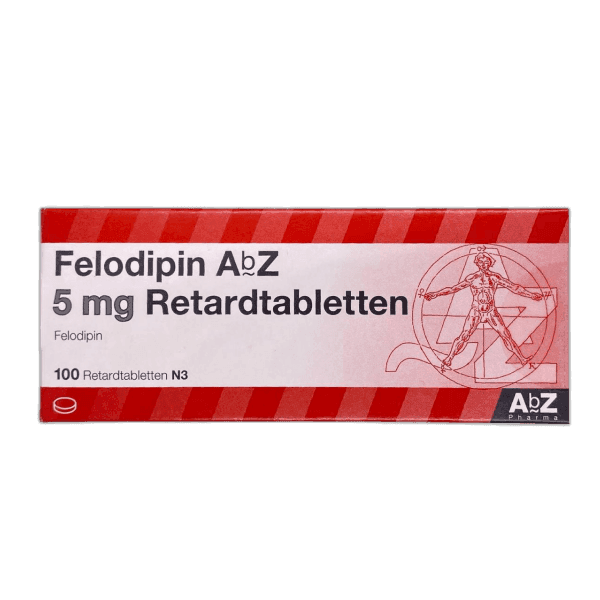
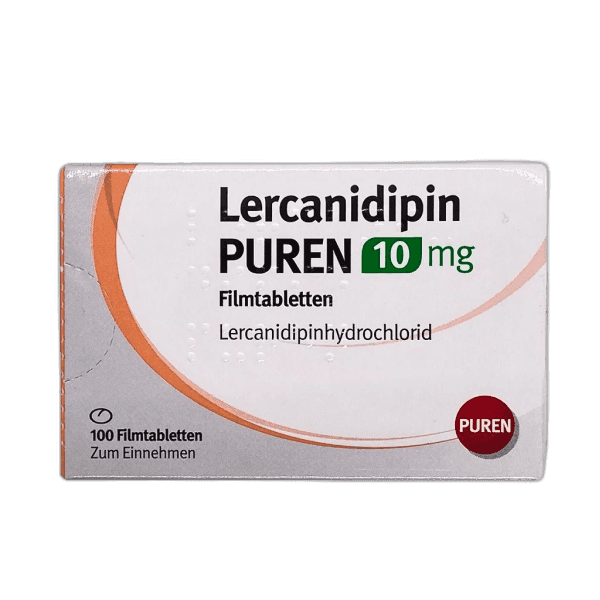
Similar Medications
Is Nitrendipine right for you?
A licensed doctor will review your information and issue a prescription if suitable. Discreet and secure.
Important Notice
This information does not replace medical advice. If you have questions about your health or the suitability of this medication, please consult a doctor or pharmacist.
Important Safety Information
This service operates under German pharmaceutical law (HWG). For risks and side effects, read the package leaflet and consult your doctor or pharmacist. All medications are dispensed from a licensed pharmacy in Germany.