
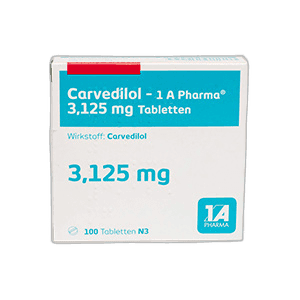
What is Carvedilol?
Carvedilol is a third-generation beta blocker: it blocks not only beta-1 and beta-2 receptors but also alpha-1 receptors. This triple blockade leads to a reduction in blood pressure and takes strain off the heart.
Carvedilol has been studied particularly well in chronic heart failure and has reduced mortality in heart failure in large studies (COPERNICUS, COMET). It is used for high blood pressure, chronic heart failure, and coronary heart disease.
For high blood pressure, carvedilol is usually taken once daily, and for angina pectoris and heart failure twice daily. Available products include Carvedilol-ratiopharm® and Dilatrend®.
Active Ingredients & Mechanism of Action
Active ingredient: Carvedilol
Carvedilol has a triple mechanism of action:
Beta-1 blockade (in the heart):
- Lowers heart rate and force of contraction
- Reduces oxygen consumption
- Inhibits renin release
Beta-2 blockade (in the lungs and blood vessels):
- Not cardioselective
- Caution: bronchospasm possible in asthma
Alpha-1 blockade (in the blood vessels):
- Dilates the peripheral blood vessels
- Lowers vascular resistance
- Reduces the afterload of the heart
- Improves blood flow
Additional properties:
- Antioxidant effect
- Stabilization of cell membranes
- No negative effect on insulin sensitivity
- Favorable effects on lipid metabolism
Onset of action: Maximum blood pressure reduction after 1-2 hours. Stable control after 1-2 weeks.
Who is it suitable for?
Carvedilol is suitable for:
- Adults with high blood pressure
- Chronic stable heart failure (NYHA II-IV)
- Chronic stable angina pectoris
Especially recommended for:
- Heart failure (strong evidence from studies)
- High blood pressure with increased peripheral resistance
- Patients after a heart attack
Not suitable for:
- Bronchial asthma (not cardioselective!)
- Grade II/III AV block
- Severe bradycardia
- Decompensated heart failure
- Severe liver failure
- Cardiogenic shock
Available Dosages
High blood pressure:
- Starting dose: 12.5 mg once daily (days 1 and 2)
- Then: 25 mg once or twice daily
- Maximum dose: 50 mg daily (divided)
Heart failure:
- Starting dose: 3.125 mg twice daily
- Increase every 2 weeks: 6.25 mg → 12.5 mg → 25 mg (2x each)
- Target dose: 25 mg twice daily (up to 85 kg) or 50 mg twice daily (over 85 kg)
Angina pectoris:
- Starting dose: 12.5 mg twice daily
- After 2 days: 25 mg twice daily
Available strengths:
- 3.125 mg, 6.25 mg, 12.5 mg, 25 mg tablets
Dosage form and pack sizes
The medicines catalogue lists 2 pack variants: 2 strengths in one pack size.
- Dosage form
- Filmtablette
- Strengths
- 12,5 mg, 25 mg
- Pack sizes
- 100 units
| Strength | Pack | PZN | Duration |
|---|---|---|---|
| 12,5 mg | 100 units | 02895490 | 50 days |
| 25 mg | 100 units | 02227044 | 50 days |
Packs listed in the German medicines catalogue. Which of them are currently available and what they cost is shown in the price overview.
The Pharmazentralnummer (PZN) is the nationwide unique identifier of a pack in Germany.
Duration is the catalogue value for the usual dosage. How long a pack actually lasts depends on the dose your doctor prescribes.
How to Take
How to take:
- For high blood pressure: usually once daily
- For angina pectoris and heart failure: twice daily
- Take with meals (better tolerability, slower absorption)
- With sufficient water
- Patients with heart failure: stand up slowly (orthostatic hypotension)
In heart failure:
- Very slow dose increase (every 2 weeks)
- Start only when heart failure is stable
- Close medical monitoring
- If the condition worsens: reduce the dose
Important notes:
- Do not stop abruptly
- Regular blood pressure, pulse, and weight checks
- People with asthma: carvedilol is not suitable (not cardioselective)
Contraindications
Carvedilol must not be taken in case of:
- Hypersensitivity to carvedilol
- Decompensated heart failure (IV therapy required)
- Severe liver failure
- Grade II/III AV block (without a pacemaker)
- Severe bradycardia (below 50/min)
- Sick sinus syndrome
- Cardiogenic shock
- Severe hypotension (below 85 mmHg systolic)
- Bronchial asthma or severe COPD
- Untreated pheochromocytoma
Caution in case of:
- Diabetes mellitus (can mask symptoms of hypoglycemia)
- Peripheral circulatory disorders
- Prinzmetal angina
- Contact lens wearers (reduced tear fluid)
- Psoriasis
Pregnancy: Carvedilol should not be used during pregnancy unless the expected benefit outweighs the possible risks. Beta blockers can lead to growth retardation and bradycardia in the newborn.
Possible Side Effects
Very common (over 10%):
- Dizziness
- Headache
- Fatigue (especially at the beginning)
Common (1-10%):
- Bradycardia
- Orthostatic hypotension (especially in heart failure)
- Edema
- Weight gain
- Gastrointestinal complaints
- Visual disturbances
- Reduced tear fluid
Uncommon (0.1-1%):
- Depressed mood
- Sleep disorders
- Erectile dysfunction
- Skin rash
- Shortness of breath, bronchospasm
- Constipation
Rare:
- Severe allergic reactions
- Worsening of kidney function
- Thrombocytopenia
- Worsening of psoriasis
Note: Orthostatic dizziness occurs especially at the start of therapy and when the dose is increased. Standing up slowly is recommended.
Interactions
Contraindicated with:
- Verapamil or diltiazem IV
- MAO inhibitors (except MAO-B inhibitors)
Caution with:
- Digoxin → increased digoxin levels
- Insulin and antidiabetic drugs → masking and intensification of hypoglycemia
- Rifampicin → decreased carvedilol levels
- Cyclosporine → increased cyclosporine levels
- Clonidine → rebound effect if both are stopped at the same time
- Anesthetics → increased hypotension and bradycardia
- CYP2D6 inhibitors (fluoxetine, paroxetine) → increased carvedilol levels
Important: Carvedilol is metabolized via CYP2D6 and CYP2C9. Inhibitors of these enzymes can increase the effect of carvedilol.
Frequently Asked Questions
In large studies (COPERNICUS, COMET), carvedilol reduced mortality in chronic heart failure by up to 35%. The combination of beta and alpha blockade takes strain off the heart. It is one of the three beta blockers recommended for heart failure.
Unlike bisoprolol or metoprolol, carvedilol also blocks beta-2 receptors in the lungs. Beta-2 blockade can trigger severe bronchospasm in people with asthma. In asthma, a cardioselective beta blocker should be chosen instead.
The half-life of carvedilol is only 6-10 hours. Taking it twice daily is therefore necessary for an even effect over 24 hours. Taking it with meals slows absorption and improves tolerability.
Similar Medications
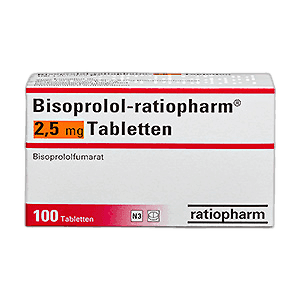
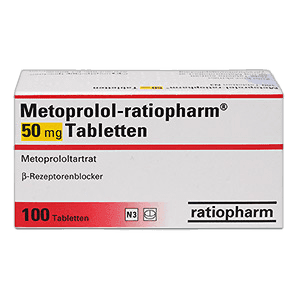
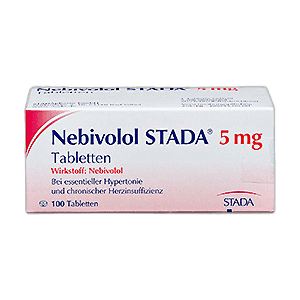
Is Carvedilol right for you?
A licensed doctor will review your information and issue a prescription if suitable. Discreet and secure.
Important Notice
This information does not replace medical advice. If you have questions about your health or the suitability of this medication, please consult a doctor or pharmacist.
Important Safety Information
This service operates under German pharmaceutical law (HWG). For risks and side effects, read the package leaflet and consult your doctor or pharmacist. All medications are dispensed from a licensed pharmacy in Germany.