
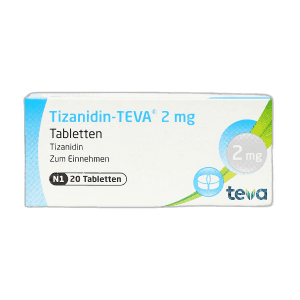
What is Tizanidine?
Tizanidine is a centrally acting muscle relaxant known under the brand name Sirdalud®. It is used to treat spasticity (e.g., after a stroke or in multiple sclerosis).
Tizanidine belongs to the group of alpha-2 adrenoceptor agonists and relaxes the muscles at the level of the spinal cord. It reduces increased muscle tone and thereby relieves pain.
Active Ingredients & Mechanism of Action
Active ingredient: Tizanidin
Tizanidine works via alpha-2 adrenoceptors:
Mechanism of action:
- Activates alpha-2 adrenoceptors in the spinal cord
- Inhibits the release of excitatory amino acids
- Reduces polysynaptic reflexes
- Lowers pathologically increased muscle tone
Effect profile:
- Muscle-relaxing
- Mildly pain-relieving (independent analgesic effect)
- Moderately sedating
Pharmacokinetics:
- Onset of action: 30–60 minutes
- Maximum effect: 1–2 hours
- Half-life: 2–4 hours
- Broken down in the liver via CYP1A2
Who is it suitable for?
Tizanidine is suitable for:
- Spasticity in multiple sclerosis
- Spasticity after a stroke or spinal cord injury
Advantages:
- Additional pain-relieving effect
- Flexible dosing
- Can also be used for spasticity
Not suitable:
- In severe liver impairment
- When strong CYP1A2 inhibitors are taken at the same time (e.g., fluvoxamine, ciprofloxacin)
- For children
Available Dosages
Tablets:
- 2 mg, 4 mg, 6 mg
For muscle tension:
- Starting dose: 2 mg 3 times daily
- Increase gradually if needed
- Usual dose: 2–4 mg 3 times daily
- Maximum daily dose: 36 mg (divided into 3–4 doses)
For spasticity:
- Start low and increase the dose slowly
- The dose must be determined individually
Note: Gradually increasing the dose reduces side effects (especially fatigue, drop in blood pressure).
Dosage form and pack sizes
The medicines catalogue lists 3 pack variants: 2 strengths in 2 pack sizes. Pack sizes range from 20 to 50 units.
- Dosage form
- Tablette
- Strengths
- 2 mg, 4 mg
- Pack sizes
- 20 units, 50 units
| Strength | Pack | PZN | Duration |
|---|---|---|---|
| 2 mg | 20 units | 06681171 | — |
| 4 mg | 20 units | 06681202 | 0 days |
| 4 mg | 50 units | 06681219 | 0 days |
Packs listed in the German medicines catalogue. Which of them are currently available and what they cost is shown in the price overview.
The Pharmazentralnummer (PZN) is the nationwide unique identifier of a pack in Germany.
Duration is the catalogue value for the usual dosage. How long a pack actually lasts depends on the dose your doctor prescribes.
How to Take
How to take:
- Take the tablets with water
- Regardless of meals
- 3 times daily at regular intervals
Important notes:
- Increase the dose gradually (start with a low dose)
- Do not stop abruptly after prolonged use (rebound increase in blood pressure possible)
- Impaired ability to drive
- No alcohol
- Have your liver function checked regularly
Contraindications
Tizanidine must not be taken in cases of:
- Hypersensitivity to tizanidine
- Severe liver impairment
- Concomitant use of fluvoxamine or ciprofloxacin (strong CYP1A2 inhibitors)
Caution in cases of:
- Mild to moderate liver impairment (monitor liver function)
- Kidney impairment (dose adjustment)
- Hypotension (drop in blood pressure)
- QT prolongation
- Elderly patients
Pregnancy/breastfeeding: Not recommended.
Possible Side Effects
Very common (> 10%):
- Fatigue, drowsiness
- Dry mouth
Common (1–10%):
- Dizziness
- Drop in blood pressure
- Gastrointestinal complaints
- Muscle weakness
- Sleep disorders
- Elevated liver enzymes
Uncommon:
- Bradycardia
- Hallucinations
Very rare:
- Hepatitis, liver failure
Liver toxicity: Tizanidine can damage the liver. Liver function should be checked regularly during the first months.
Rebound effect: If stopped abruptly after prolonged use: increase in blood pressure and worsened spasticity possible.
Interactions
Contraindicated with:
- Fluvoxamine (increases tizanidine levels 33-fold!)
- Ciprofloxacin (increases tizanidine levels 10-fold)
Caution with other CYP1A2 inhibitors:
- Oral contraceptives
- Amiodarone
- Cimetidine
- Ticlopidine
Increased sedation with:
- Alcohol
- Benzodiazepines
- Opioids
- Antihistamines
Enhanced blood-pressure-lowering effect with:
- Antihypertensives
- Alpha blockers
Frequently Asked Questions
Tizanidine has an independent pain-relieving effect and is also approved for spasticity. The choice depends on the indication and the response.
Ciprofloxacin strongly inhibits the enzyme CYP1A2, which breaks down tizanidine. As a result, the tizanidine level in the blood rises 10-fold – with the risk of serious side effects such as a severe drop in blood pressure and excessive sedation.
Tizanidine has no addictive potential in the strict sense. However, after prolonged use and abrupt discontinuation, a rebound effect can occur (increase in blood pressure, increased muscle tension). It should therefore be discontinued gradually by tapering the dose.
Similar Medications
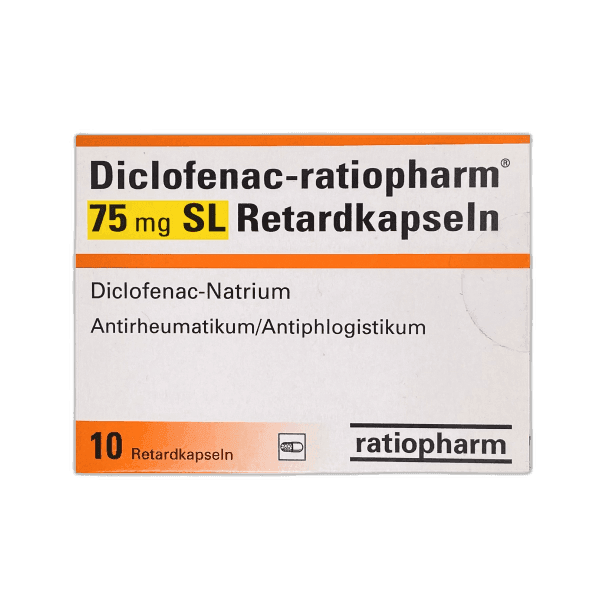
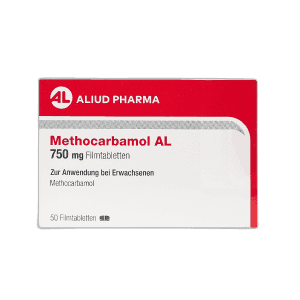
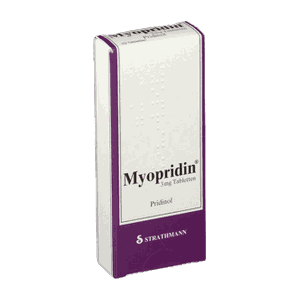
Is Tizanidine right for you?
A licensed doctor will review your information and issue a prescription if suitable. Discreet and secure.
Important Notice
This information does not replace medical advice. If you have questions about your health or the suitability of this medication, please consult a doctor or pharmacist.
Important Safety Information
This service operates under German pharmaceutical law (HWG). For risks and side effects, read the package leaflet and consult your doctor or pharmacist. All medications are dispensed from a licensed pharmacy in Germany.