
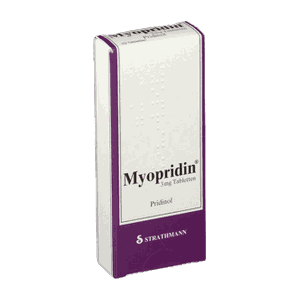
What is Pridinol?
Pridinol is a centrally and peripherally acting muscle relaxant marketed under the brand name Myditin®. It is used to treat acute painful muscle tension, particularly in cases of back and neck pain.
The active ingredient has both anticholinergic and antihistaminergic properties and relaxes muscles through several mechanisms. Pridinol has been used in Germany for decades.
It is usually prescribed as short-term therapy in combination with analgesics and physical therapy.
Active Ingredients & Mechanism of Action
Active ingredient: Pridinolmesilat
Pridinol works through several mechanisms:
Mechanisms of action:
- Anticholinergic: Inhibits cholinergic transmission at the motor end plate
- Centrally muscle-relaxing: Inhibits polysynaptic reflexes in the spinal cord
- Analgesic: Its own pain-relieving effect (via glutamate receptors)
Special features:
- Relaxes muscles both centrally and peripherally
- Has an independent pain-relieving effect
- Watch for anticholinergic side effects
Pharmacokinetics:
- Onset of action: 30–60 minutes
- Duration of action: 4–6 hours
- Half-life: approx. 4 hours
Who is it suitable for?
Pridinol is suitable for:
- Acute painful muscle tension
- Lumbago (sudden low back pain)
- Torticollis (acute wry neck)
- Painful muscle hardening in the back and neck area
Used as:
- Add-on medication alongside analgesics
- Short-term therapy (up to 2–3 weeks)
- A supplement to physical therapy
Not suitable:
- In narrow-angle glaucoma
- In prostate adenoma with residual urine formation
- In megacolon
- In myasthenia gravis
Available Dosages
Tablets:
- 3 mg
Usual dosage (adults):
- ½ to 1 tablet 3 times daily (1.5–3 mg pridinol per dose)
- Recommended daily dose: 4.5–9 mg
Duration of treatment:
- Short-term: 1–3 weeks
- Not recommended for long-term use
How to Take
How to take:
- Swallow the tablets whole with water
- With or without meals
- 3 times daily at regular intervals
Important notes:
- Your ability to drive may be impaired
- No alcohol (increased sedation)
- Caution in hot weather (anticholinergic → reduced sweat production)
- Counter dry mouth with water or sugar-free chewing gum
Contraindications
Pridinol must not be taken in case of:
- Glaucoma
- Enlarged prostate (prostatic hypertrophy)
- Conditions with urinary retention
- Narrowing or blockage of the gastrointestinal tract
- Heart rhythm disorders
- Pregnancy in the first trimester
- Hypersensitivity to pridinol or any of the other ingredients
Caution in case of:
- Tendency toward constipation
- Fever (reduced heat dissipation)
- Elderly patients (risk of falls, confusion)
Pregnancy/breastfeeding: Pridinol must not be taken during the first trimester of pregnancy. After that, only after careful medical assessment, under medical supervision and only if strictly necessary. Use during breastfeeding should be avoided.
Possible Side Effects
Common (anticholinergic effects):
- Dry mouth
- Fatigue, drowsiness
- Accommodation disorders (impaired near vision)
- Constipation
- Urinary retention
Uncommon:
- Tachycardia (fast heartbeat)
- Gastrointestinal complaints
- Dizziness
- Confusion (especially in elderly patients)
Rare:
- Allergic skin reactions
- Glaucoma attack (in predisposed patients)
Note: The anticholinergic side effects limit its use in elderly patients.
Interactions
Increased anticholinergic effect with:
- Tricyclic antidepressants
- Antihistamines
- Neuroleptics
- Antiparkinsonian drugs (e.g., biperiden)
Increased sedation with:
- Alcohol
- Benzodiazepines
- Opioids
- Antihistamines
Caution with:
- MAO inhibitors
- Other centrally acting medications
Frequently Asked Questions
Anticholinergic drugs block the chemical messenger acetylcholine. This leads to muscle relaxation, but also to typical side effects: dry mouth, constipation, visual disturbances and a fast heartbeat. These effects are usually mild and temporary.
Methocarbamol generally has fewer anticholinergic side effects and is often perceived as better tolerated. The doctor makes the choice on an individual basis.
Pridinol can impair your ability to react, especially at the start of treatment. Do not drive until you know how you react to the medication.
Similar Medications
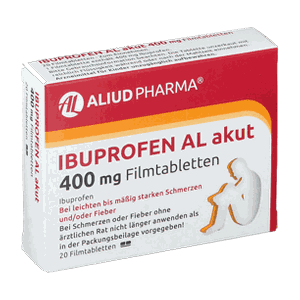
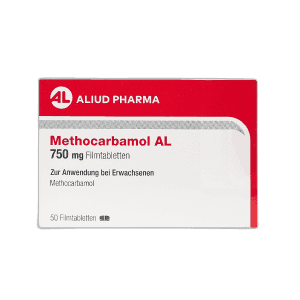
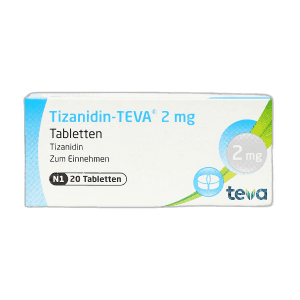
Is Pridinol right for you?
A licensed doctor will review your information and issue a prescription if suitable. Discreet and secure.
Important Notice
This information does not replace medical advice. If you have questions about your health or the suitability of this medication, please consult a doctor or pharmacist.
Important Safety Information
This service operates under German pharmaceutical law (HWG). For risks and side effects, read the package leaflet and consult your doctor or pharmacist. All medications are dispensed from a licensed pharmacy in Germany.