
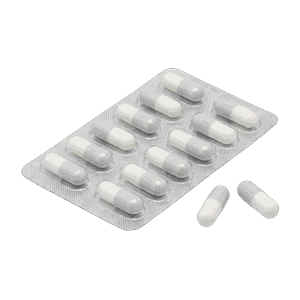
What is Talvosilen forte®?
Talvosilen forte® is a prescription-only combination product containing paracetamol and codeine. Combining two active ingredients with different sites of action allows stronger pain relief than either substance alone.
Paracetamol relieves pain and reduces fever through central mechanisms. Codeine is a weak opioid that is partly converted to morphine in the body and dampens pain perception in the brain.
Talvosilen forte® is available as capsules and suppositories and is used for moderate to severe pain when simple analgesics are not sufficient.
Active Ingredients & Mechanism of Action
Active ingredient: Paracetamol 500 mg + Codeinphosphat 30 mg
The combination uses two different mechanisms of action:
Paracetamol (500 mg):
- Inhibits prostaglandin synthesis in the CNS
- Relieves pain and reduces fever
- No anti-inflammatory effect
Codeine (30 mg):
- Weak opioid agonist (µ-receptor)
- Partly converted to morphine in the body by CYP2D6
- Dampens the transmission of pain signals in the CNS
- Also has a cough-suppressing effect
Synergistic effect: The combination of both active ingredients is stronger than the sum of their individual effects. These supra-additive effects allow better pain control at a lower opioid dose.
Pharmacokinetics:
- Onset of action: 30–60 minutes
- Duration of action: 4–6 hours
Who is it suitable for?
Talvosilen forte® is suitable for:
- Moderate to severe pain
- Pain that does not respond to simple analgesics
- Postoperative pain
- Toothache (after procedures)
- Headache (when single-agent analgesics fail)
- Short-term treatment of acute pain conditions
WHO step 2: Talvosilen forte® corresponds to step 2 of the WHO pain ladder (weak opioid + non-opioid).
Not suitable:
- In case of respiratory depression
- During an acute asthma attack
- In case of paralytic ileus
- For children under 12 years of age
- In case of known ultra-rapid CYP2D6 metabolism
Available Dosages
Hard capsules:
- Paracetamol 500 mg + codeine phosphate 30 mg per capsule
- Children aged 12 years and older (from 43 kg body weight), adolescents and adults: 1–2 capsules every 6–8 hours
- Maximum daily dose: 8 capsules (4000 mg paracetamol / 240 mg codeine phosphate)
Suppositories (talvosilen forte 1000 mg/60 mg):
- Paracetamol 1000 mg + codeine phosphate hemihydrate 60 mg per suppository
- Children aged 12 years and older (from 43 kg body weight), adolescents and adults: 1 suppository, up to 4 times daily if needed
- Interval between two suppositories at least 6 hours
- Maximum daily dose: 4 suppositories
Recommendation:
- Lowest effective dose
- For as short a time as possible
- No longer than 3 days without consulting a doctor
Dosage form and pack sizes
The medicines catalogue lists one pack variant: one strength in one pack size.
- Dosage form
- Hartkapsel
- Strengths
- 500/30 mg
- Pack sizes
- 20 units
| Strength | Pack | PZN | Duration |
|---|---|---|---|
| 500/30 mg | 20 units | 02725233 | 0 days |
Packs listed in the German medicines catalogue. Which of them are currently available and what they cost is shown in the price overview.
The Pharmazentralnummer (PZN) is the nationwide unique identifier of a pack in Germany.
Duration is the catalogue value for the usual dosage. How long a pack actually lasts depends on the dose your doctor prescribes.
How to Take
Capsules:
- Take with a glass of water
- Regardless of meals
- Minimum interval between single doses: 6 hours
Suppositories:
- Insert deep into the anus, preferably after a bowel movement
- To help the suppository slide in more easily, you may warm it in your hand or dip it very briefly in hot water
Important notes:
- Do not combine with other paracetamol-containing medicines (risk of overdose!)
- No alcohol (increased sedation and liver damage)
- Impaired ability to drive
- May cause constipation – make sure you drink enough fluids
- Potential for dependence with prolonged use
Contraindications
Talvosilen forte® must not be used in case of:
- Hypersensitivity to the active ingredients
- Respiratory depression
- Acute asthma attack
- Severe hepatic impairment
- Paralytic ileus
- Children under 12 years of age
- Known ultra-rapid CYP2D6 metabolism
- Concomitant use of MAO inhibitors (or within 14 days)
- Breastfeeding
Caution in:
- Elderly or debilitated patients
- Renal impairment
- Hypothyroidism
- Prostatic hyperplasia
- Chronic obstructive pulmonary disease (COPD)
- Mild hepatic impairment
Possible Side Effects
Common (due to codeine):
- Constipation
- Nausea, vomiting
- Tiredness, drowsiness
- Dizziness
Uncommon:
- Dry mouth
- Headache
- Miosis (constricted pupils)
- Urinary retention
Rare but serious:
- Respiratory depression (dose-dependent)
- Severe liver damage (paracetamol in overdose)
- Seizures
Potential for dependence: With prolonged use, codeine can lead to physical and psychological dependence. Withdrawal symptoms can occur even with short-term use.
CYP2D6 ultra-rapid metabolizers: In these patients, codeine is converted to morphine too quickly – increased risk of serious side effects.
Interactions
Contraindicated with:
- MAO inhibitors (14-day interval!)
Increased CNS depression with:
- Alcohol
- Benzodiazepines
- Other opioids
- Antihistamines
- Antidepressants
- Neuroleptics
Paracetamol interactions:
- Warfarin (INR may rise)
- Rifampicin, carbamazepine (increased liver toxicity)
Codeine interactions:
- CYP2D6 inhibitors (paroxetine, fluoxetine, quinidine) reduce the effect
- Serotonergic medicines (risk of serotonin syndrome)
Frequently Asked Questions
It contains codeine, a weak opioid. It is therefore prescription-only and subject to special precautions. The potential for dependence is lower than with strong opioids, but it is still present.
Alcohol increases both the sedative effect of codeine and the risk of liver damage from paracetamol. The combination can lead to dangerous respiratory depression and liver failure.
About 1–2% of Central Europeans convert codeine to morphine particularly quickly. In these people, unexpectedly strong opioid effects can occur, including severe respiratory depression. Genetic tests can clarify this.
Both contain paracetamol and codeine, but in different amounts: one capsule 500 mg/30 mg, one suppository 1000 mg/60 mg — that is, twice as much. A suppository may be used no more than 4 times daily. Suppositories can be useful in case of nausea, vomiting or difficulty swallowing; the doctor decides which form is right.
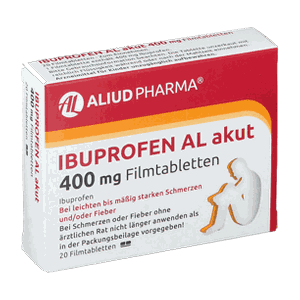
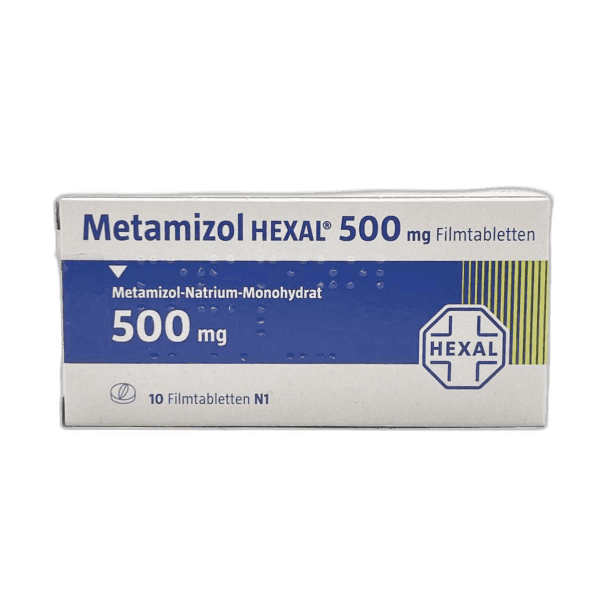
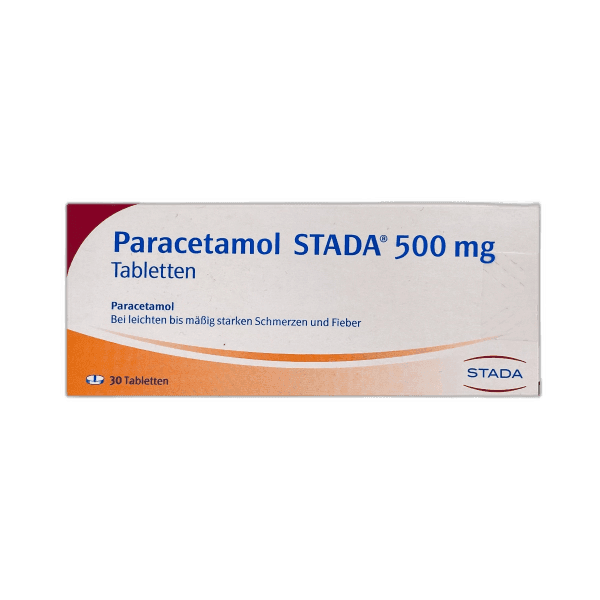
Similar Medications
Is Talvosilen forte® right for you?
A licensed doctor will review your information and issue a prescription if suitable. Discreet and secure.
Important Notice
This information does not replace medical advice. If you have questions about your health or the suitability of this medication, please consult a doctor or pharmacist.
Important Safety Information
This service operates under German pharmaceutical law (HWG). For risks and side effects, read the package leaflet and consult your doctor or pharmacist. All medications are dispensed from a licensed pharmacy in Germany.