
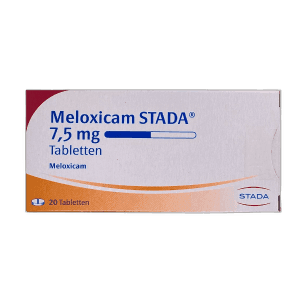
What is Meloxicam?
Meloxicam is a nonsteroidal anti-inflammatory drug (NSAID) with preferential COX-2 inhibition. This means it inhibits COX-2 more strongly than COX-1, without being as highly selective as the coxibs (celecoxib, etoricoxib).
Meloxicam is characterized by a long half-life and only needs to be taken once a day. It has been used since the 1990s and is widely available as a generic.
Its main areas of use are osteoarthritis and rheumatoid arthritis.
Active Ingredients & Mechanism of Action
Active ingredient: Meloxicam
Meloxicam preferentially inhibits cyclooxygenase-2 (COX-2):
Mechanism of action:
- Preferential inhibition of COX-2 over COX-1
- Less effect on the stomach lining than non-selective NSAIDs
- Nevertheless, not completely COX-2-selective
Pharmacokinetics:
- Bioavailability: approx. 90%
- Half-life: 13 to 25 hours
- Taking it once daily is sufficient
- Steady state after 3–5 days
Action profile:
- Pain-relieving
- Anti-inflammatory
- Mildly fever-reducing
Who is it suitable for?
Meloxicam is suitable for:
- Osteoarthritis (short-term symptomatic treatment)
- Rheumatoid arthritis
- Ankylosing spondylitis
Advantages:
- Taken once daily
- Long clinical experience
Not suitable:
- In case of active gastrointestinal ulcers
- In case of severe heart, liver, or kidney failure
- During pregnancy (especially the 3rd trimester)
Available Dosages
Tablets:
- 7.5 mg, 15 mg
Osteoarthritis:
- 7.5 mg once daily
- If the effect is insufficient: 15 mg once daily
Rheumatoid arthritis / ankylosing spondylitis:
- 15 mg once daily
- Upon improvement: reduction to 7.5 mg possible
Maximum daily dose: 15 mg
Elderly patients: 7.5 mg per day recommended.
Dosage form and pack sizes
The medicines catalogue lists 5 pack variants: 2 strengths in 3 pack sizes. Pack sizes range from 10 to 50 units.
- Dosage form
- Tablette
- Strengths
- 7,5 mg, 15 mg
- Pack sizes
- 20 units, 50 units, 10 units
| Strength | Pack | PZN | Duration |
|---|---|---|---|
| 7,5 mg | 20 units | 01084298 | 20 days |
| 7,5 mg | 50 units | 01079216 | 50 days |
| 15 mg | 10 units | 04901674 | 10 days |
| 15 mg | 20 units | 01084329 | 20 days |
| 15 mg | 50 units | 01079245 | 50 days |
Packs listed in the German medicines catalogue. Which of them are currently available and what they cost is shown in the price overview.
The Pharmazentralnummer (PZN) is the nationwide unique identifier of a pack in Germany.
Duration is the catalogue value for the usual dosage. How long a pack actually lasts depends on the dose your doctor prescribes.
How to Take
How to take:
- Once daily with a meal
- Take with a glass of water
- Preferably at the same time of day
Important notes:
- Use the lowest effective dose
- Regular medical monitoring during long-term use
- Do not combine with other NSAIDs
- Monitor kidney function and blood count
Contraindications
Meloxicam must not be taken in cases of:
- Hypersensitivity to meloxicam or other NSAIDs
- Active GI ulcers or bleeding
- Severe heart failure
- Severe liver or kidney failure
- The last trimester of pregnancy
- Children under 16 years of age
Caution in:
- Elderly patients
- History of GI disease
- Cardiovascular risk factors
- Bronchial asthma
- Use of anticoagulants
Possible Side Effects
Very common (more than 10%):
- Gastrointestinal complaints (dyspepsia, nausea)
Common (1–10%):
- Headache
Uncommon (0.1–1%):
- GI bleeding
- Edema
- High blood pressure
- Skin rash
- Elevated liver values
- Dizziness
Rare:
- Stomach and duodenal ulcers
- Severe allergic reactions
- Kidney function disorders
- Changes in blood count
GI profile: Meloxicam tends to cause more stomach problems than the highly selective COX-2 inhibitors.
Interactions
Increased risk of bleeding with:
- Anticoagulants
- Aspirin, other NSAIDs
- SSRI antidepressants
- Corticosteroids
Reduced effect of:
- ACE inhibitors, sartans
- Diuretics
Increased toxicity of:
- Methotrexate
- Lithium
- Cyclosporine
Frequently Asked Questions
Meloxicam preferentially inhibits COX-2, but is not fully selective like celecoxib. It has a long record of clinical experience. Its stomach profile lies between classic NSAIDs and the highly selective coxibs.
For chronic conditions such as arthritis, long-term use under medical supervision is possible. Regular blood tests (kidney, liver, blood count) are then important.
Meloxicam has a long half-life of 13 to 25 hours. As a result, the level of the active substance remains sufficiently high over 24 hours, and taking it once is enough.
Similar Medications
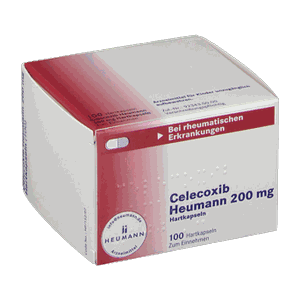
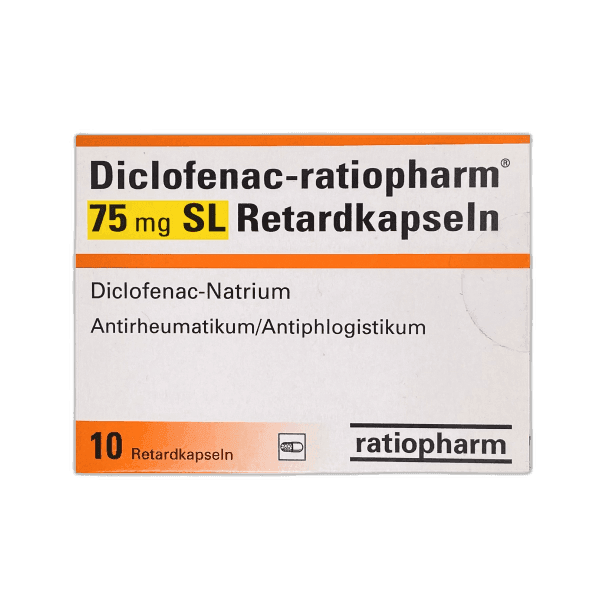
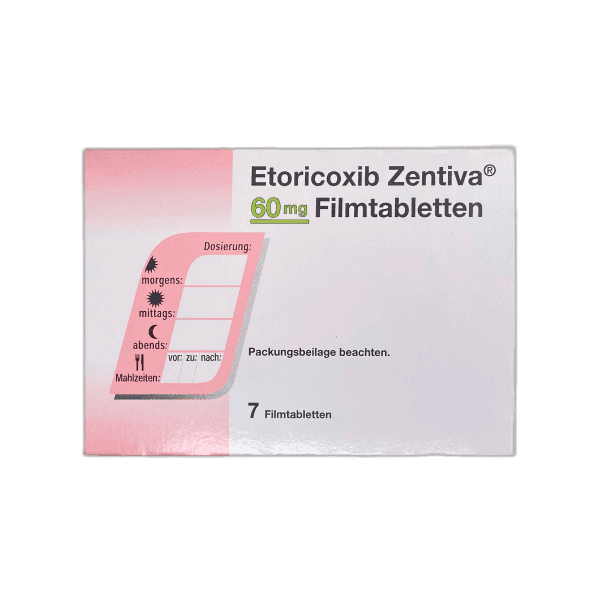
Is Meloxicam right for you?
A licensed doctor will review your information and issue a prescription if suitable. Discreet and secure.
Important Notice
This information does not replace medical advice. If you have questions about your health or the suitability of this medication, please consult a doctor or pharmacist.
Important Safety Information
This service operates under German pharmaceutical law (HWG). For risks and side effects, read the package leaflet and consult your doctor or pharmacist. All medications are dispensed from a licensed pharmacy in Germany.