Basic equipment: What to do in any travel apotheke
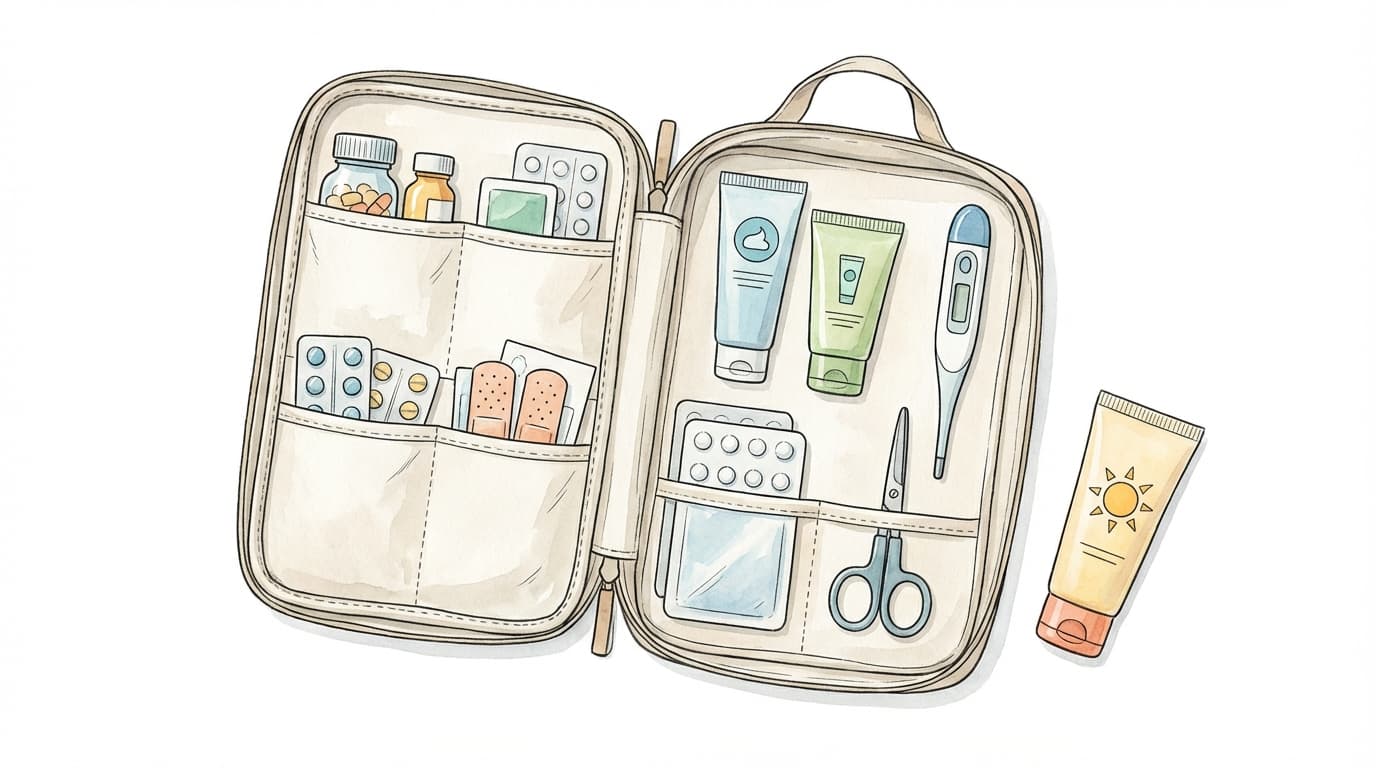
Unabhaengig from the destination, a travel apotheke should contain certain basic medications that cover frequent complaints:
Pain and fever: Ibuprofen or Paracetamol are versatile in headaches, toothaches, fevers and slight degenerations. Pack enough for the entire travel period.
Agents for gastrointestinal complaints: Travel is one of the most frequent complaints. Loperamide stops acute diarrhea, electrolyte solutions compensate for the loss of fluid. In case of bacterial diarrhea, an emergency antibiotic may be useful.
Health care: Paving, sterile compresses, disinfectants and an elastic bandage for minor injuries. In tropical regions wounds are infect faster, so careful disinfection is particularly important.
Sun protection and insect protection: Sunscreen with high light protection factor and insect protection agent with DEET or Icaridin. In Malaria areas, impractical mosquito nets are also recommended.
Permanent medication: Always take sufficient stock of your regular medications, plus a reserve for zooming. Guide the original findings and the recipe copy.
The most frequent travel disease
Travel loss (Reisediarrhoea) affects up to 50 percent of all travellers in tropical leaves. Causes are mostly bacterial pathogens (E. coli, Salmonella, Shigella), rare viruses or parasites.
Prevention: The basic rule is: cooking, peeling, disinfecting or dispensing. Drink only dehydrated or boiled water, avoid ice cream and wash fruit and vegetables thoroughly.
Treatment: In the case of slight diarrhea, the flow rate and the electrolyte solution are high. Loperamide can alleviate the symptoms, but does not conceive the cause. For severe or bloody diarrhea, fever or persistent complaints over three days, a doctor should be consulted.
Standby antibiotic: For traveling in regions with a high risk of diarrhea, the doctor can prescribe an emergency antibiotic (often aziithromycin or ciprofloxacin), which can be taken in a self-contained manner in case of heavy effluents. This standby antibiotic is prescribed and should be organised in advance.
Malariaprophylaxis: When it is necessary
Malaria is transmitted by the puncture of infected anophelesmuecken and is spread in many tropical regions of Africa, Southeast Asia and South America. Depending on the destination, a medikamentoese prophylaxis can be recommended.
Atovaquon/Proguanil (Malarone): The most frequently used prophylaxis agent. Intake begins one to two days before the start of the journey and is continued until seven days after return. Well trusted with few side effects.
Doxycycline: A more costly alternative, which starts one to two days before entry and is taken up until four weeks after return. Can increase the light sensitivity of the skin, which should be observed in sunny regions.
Mefloquin (Lariam): If it is used less frequently due to possible neuropsychiatric side effects, it may be an option for certain regions or long-term travelers.
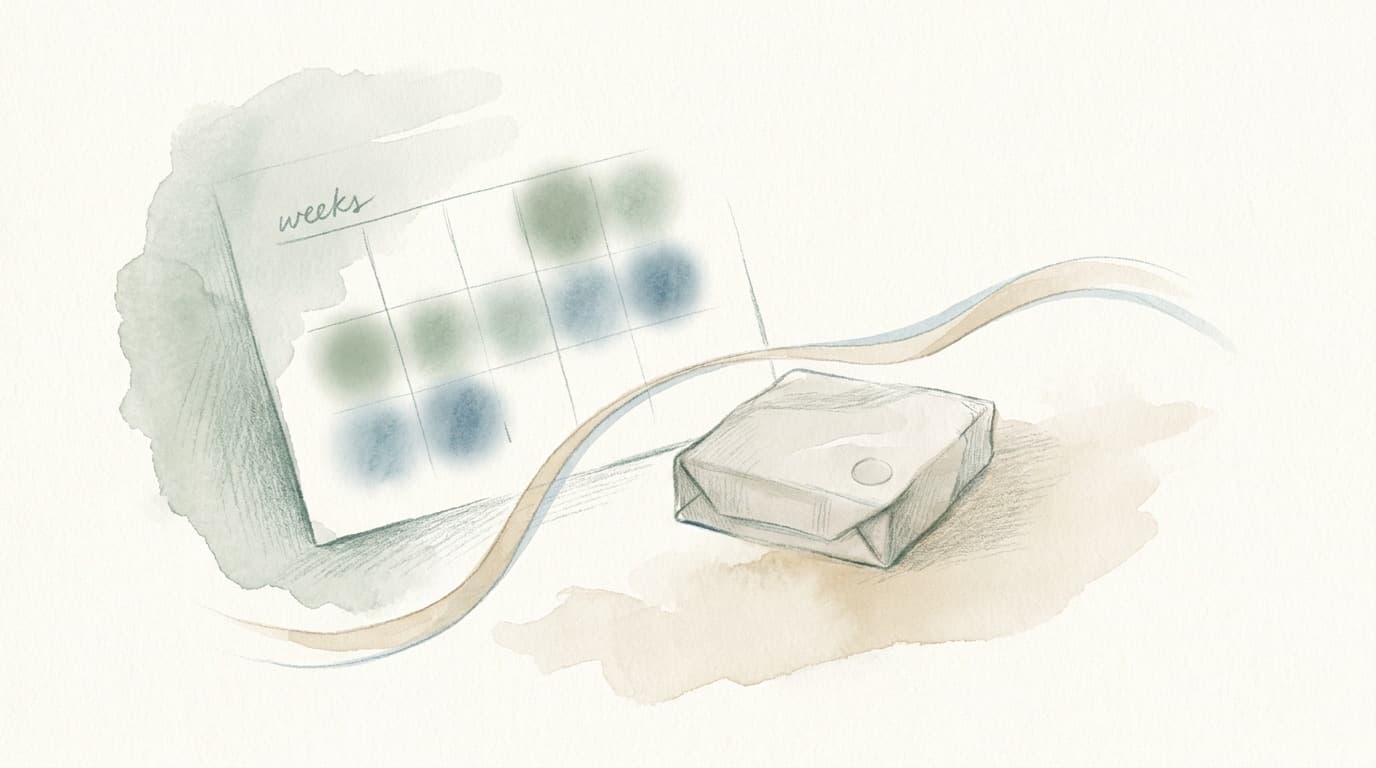
All malariaprophylaxis drugs are subject to prescription. Travel medical advice should ideally take place four to six weeks prior to arrival.
Hoehenmedizin, travel disease and other special drugs
Travel disease (Kinetose): Car, ship or flight travel can be treated with dimenhydrinate (Vomex) or scopolamine patches. Ginger-Praeparates are a natural alternative for lighter Faelle.
Hoehen Disease: When travelling in large heights (more than 2,500 meters), acetazolamide (diamox) can be used in a preventive manner. It is subject to prescription and should be discussed with a doctor in advance.
Antibiotic eye drops: For bacterial conjunctions that occur more frequently in warm climates. Prescription and recommended as an emergency medication.
Antihistamines: Against allergic reactions to insect bites, unknown food or pollen at the destination. Cetirizin or Loratadin are unprecedented.
Organize travel media online
Prescription travel medications such as malariaprophylaxis, standby antibiotics or hoehene disease medications require a prescription. Through telemedical platforms you can organize them in advance.
The advantage: You do not have to arrange a separate appointment with a travel physician, but can digitally conduct the consultation. Enter which country you travel, how long the stay takes and what activities are planned.
Plan the organization of your travel apotheke at least four weeks before departure. So enough time remains for an emergency consultation, the procurement of medicines and possibly necessary travel vaccinations. You can get telemedicated via your recipe.de and can be delivered directly to your home.
Found a suitable treatment? Start the medical questionnaire now.