
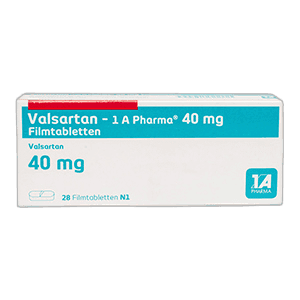
What is Valsartan?
Valsartan is an AT1 receptor blocker (sartan) for the treatment of high blood pressure, heart failure, and after a heart attack.
Valsartan is available as a single-ingredient product and in various combinations: with HCT, with amlodipine (Exforge®, Dafiro®), or as a triple combination. Well-known brand names are Diovan® and Valsartan-1 A Pharma®.
Active Ingredients & Mechanism of Action
Active ingredient: Valsartan
Valsartan blocks the AT1 receptor for angiotensin II:
Mechanism of action:
- Selective blockade of the AT1 receptor
- Prevents the action of angiotensin II on the blood vessels
- Widening of the blood vessels and lowering of blood pressure
- Reduced aldosterone release
Clinical effect:
- Lowers systolic blood pressure by 10-15 mmHg
- Organ protection for the heart and kidneys
- No effect on the breakdown of bradykinin (cough less common than with ACE inhibitors)
Study data: Valsartan is well supported by large studies (VALUE, Val-HeFT, VALIANT) for the treatment of high blood pressure, heart failure, and after a heart attack.
Who is it suitable for?
Valsartan is suitable for:
- Adults with high blood pressure
- Heart failure
- Following a heart attack with heart failure
- Patients with ACE inhibitor intolerance
Particularly suitable:
- When combination therapy is needed (many combination products available)
- After a heart attack with impaired heart function
Not suitable:
- Pregnancy and breastfeeding
- Severe hepatic insufficiency
- Biliary cirrhosis, cholestasis
Available Dosages
High blood pressure:
- Starting dose: 80 mg once daily
- Usual dose: 80-160 mg once daily
- Maximum dose: 320 mg daily
Heart failure:
- Starting dose: 40 mg twice daily
- Target dose: 160 mg twice daily
After a heart attack:
- Starting dose: 20 mg twice daily (half a 40 mg tablet)
- Gradual increase over several weeks
- Target dose: 160 mg twice daily
Available strengths:
- 40 mg, 80 mg, 160 mg, 320 mg
Combination products:
- Valsartan + HCT
- Valsartan + amlodipine (Exforge®, Dafiro®)
- Valsartan + amlodipine + HCT (Exforge HCT®)
Dosage form and pack sizes
The medicines catalogue lists one pack variant: one strength in one pack size.
- Dosage form
- Filmtablette
- Strengths
- 80 mg
- Pack sizes
- 28 units
| Strength | Pack | PZN | Duration |
|---|---|---|---|
| 80 mg | 28 units | 07581276 | 28 days |
Packs listed in the German medicines catalogue. Which of them are currently available and what they cost is shown in the price overview.
The Pharmazentralnummer (PZN) is the nationwide unique identifier of a pack in Germany.
Duration is the catalogue value for the usual dosage. How long a pack actually lasts depends on the dose your doctor prescribes.
How to Take
How to take:
- Once daily (high blood pressure) or twice daily (heart failure)
- Regardless of meals
- Take with water
- Always at the same time of day
Dose adjustment:
- Gradual increase every 2-4 weeks
- Regular blood pressure and laboratory checks
- In heart failure: closer monitoring
Important notes:
- Do not stop abruptly
- Drink enough fluids
- Avoid potassium salts and potassium-rich dietary supplements
Contraindications
Valsartan must not be taken in cases of:
- Hypersensitivity to valsartan
- Pregnancy in the 2nd and 3rd trimesters
- Severe hepatic insufficiency, biliary cirrhosis
- Concomitant use with aliskiren in diabetes or impaired kidney function (GFR below 60 ml/min/1.73 m²)
Caution in:
- Renal insufficiency
- Renal artery stenosis
- Hyperkalemia
- Dehydration or salt depletion
- Aortic stenosis
Pregnancy and breastfeeding: Valsartan is not recommended in the 1st trimester of pregnancy and is contraindicated in the 2nd and 3rd trimesters. Sartans can cause severe malformations and kidney damage in the unborn child. Treatment should not be started during pregnancy. If pregnancy is detected, treatment must be stopped immediately and, if necessary, another therapy started. Valsartan is not recommended during breastfeeding.
Possible Side Effects
Common (1-10%):
- Dizziness
- Orthostatic hypotension (drop in blood pressure when standing up)
- Changes in kidney function
Uncommon (0.1-1%):
- Angioedema
- Elevated potassium levels
- Headache
- Fatigue
- Gastrointestinal complaints
- Cough (significantly less often than with ACE inhibitors)
Frequency not known:
- Skin rash
- Elevated liver function values
- Muscle pain
Generally well tolerated: The rate of side effects is often barely higher than with placebo.
Interactions
Contraindicated:
- Aliskiren in diabetes or renal insufficiency
- Sacubitril (except as the fixed combination product Entresto®)
Caution with:
- Potassium-sparing diuretics → hyperkalemia
- NSAIDs → reduced effect, kidney damage
- Lithium → increased levels
- Cyclosporine → increased potassium levels
Note on Entresto®: Sacubitril/valsartan (Entresto®) is a combination product for heart failure. It must not be combined with ACE inhibitors. When switching between an ACE inhibitor and Entresto®, there must be a gap of at least 36 hours in either direction. It should not be combined with other sartans.
Frequently Asked Questions
Both are AT1 blockers with a similar effect. Candesartan has a slightly longer duration of action and has been particularly well studied in heart failure in the CHARM trial. Valsartan has a broader range of combination products. The choice is individual.
Valsartan has no relevant interaction with grapefruit juice. With some other blood pressure medications (e.g., felodipine), grapefruit is a problem, but not with sartans.
Many patients need more than one medication to control their blood pressure. Combination products make taking the medication simpler and improve treatment adherence. Valsartan combines particularly well with amlodipine and/or HCT.
Similar Medications
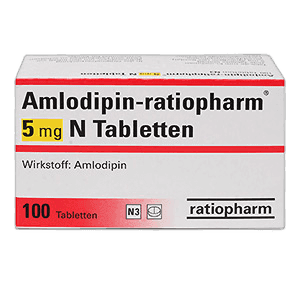
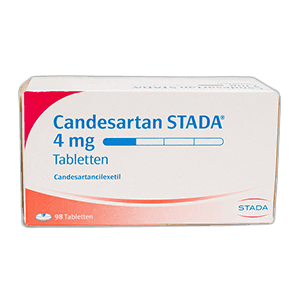
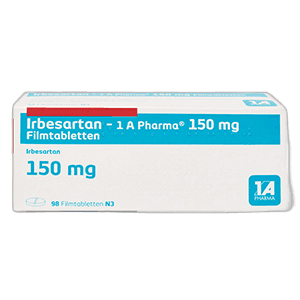
Is Valsartan right for you?
A licensed doctor will review your information and issue a prescription if suitable. Discreet and secure.
Important Notice
This information does not replace medical advice. If you have questions about your health or the suitability of this medication, please consult a doctor or pharmacist.
Important Safety Information
This service operates under German pharmaceutical law (HWG). For risks and side effects, read the package leaflet and consult your doctor or pharmacist. All medications are dispensed from a licensed pharmacy in Germany.