
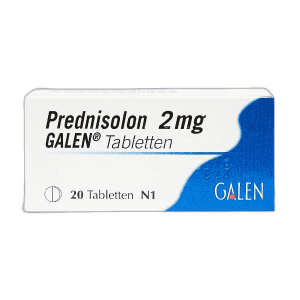
What is Prednisolone?
Prednisolone is a synthetic glucocorticoid (cortisone preparation) with strong anti-inflammatory and immunosuppressive effects. It is used in pain treatment when there is a pronounced inflammatory component.
In pain therapy, prednisolone is mainly used short-term for acute inflammatory flare-ups, such as gout attacks, rheumatic flares, severe nerve root irritation (herniated disc), or osteoarthritis flares.
Prednisolone has an anti-inflammatory effect about 4 times stronger than hydrocortisone.
Active Ingredients & Mechanism of Action
Active ingredient: Prednisolon
Prednisolone works via glucocorticoid receptors:
Mechanism of action:
- Binds to intracellular glucocorticoid receptors
- Inhibits the production of inflammatory mediators (prostaglandins, leukotrienes, cytokines)
- Suppresses the immune response
- Stabilizes cell membranes and reduces swelling
Effect profile:
- Strongly anti-inflammatory: Stronger than any NSAID
- Immunosuppressive: Suppresses excessive immune reactions
- Anti-allergic: Inhibits allergic reactions
- Anti-swelling: Reduces edema and tissue swelling
Pharmacokinetics:
- Onset of action: 1–2 hours
- Biological half-life: 12–36 hours
- Is metabolized in the liver
Who is it suitable for?
Prednisolone is used for pain in:
- Acute gout attack
- Rheumatic flares
- Nerve root irritation (herniated disc)
- Osteoarthritis flare with inflammation
- Severe inflammatory reactions of the musculoskeletal system
- Shoulder pain (frozen shoulder, tendinitis)
Short-term use preferred:
- Burst therapy over a few days
- Tapering off when used for a longer period
Not suitable as long-term medication for:
- Simple pain without inflammation
- Osteoarthritis without an active inflammatory component
Available Dosages
Tablets:
- 5 mg, 10 mg, 20 mg, 50 mg
Short-term therapy for pain (examples):
- Acute gout attack: 30–35 mg/day for 5 days
- Disc-related nerve root irritation: 60–80 mg, tapered over 1–2 weeks
- Rheumatic flare: 20–40 mg/day, reduce gradually
Important:
- Take in the morning (matches the natural cortisol rhythm)
- If taken for > 5 days, taper off when stopping
Dosage form and pack sizes
The medicines catalogue lists 4 pack variants: 2 strengths in 3 pack sizes. Pack sizes range from 20 to 100 units.
- Dosage form
- Tablette
- Strengths
- 5 mg, 20 mg
- Pack sizes
- 20 units, 30 units, 100 units
| Strength | Pack | PZN | Duration |
|---|---|---|---|
| 5 mg | 20 units | 04208335 | 0 days |
| 5 mg | 30 units | 03792622 | 0 days |
| 5 mg | 100 units | 00745846 | 0 days |
| 20 mg | 20 units | 04216091 | — |
Packs listed in the German medicines catalogue. Which of them are currently available and what they cost is shown in the price overview.
The Pharmazentralnummer (PZN) is the nationwide unique identifier of a pack in Germany.
Duration is the catalogue value for the usual dosage. How long a pack actually lasts depends on the dose your doctor prescribes.
How to Take
How to take:
- In the morning after breakfast (follow the daily rhythm)
- Take the tablets with water
- Take with food (better stomach tolerability)
Burst therapy (short-term):
- High dose for a few days
- Stopping abruptly is usually possible if < 5 days
Tapering off (if > 1 week):
- Reduce the dose gradually
- Do not stop abruptly (adrenal insufficiency!)
- Have your doctor set the tapering schedule
Important notes:
- Do not stop the medication or change the dose on your own
- With long-term use: stomach protection, vitamin D, calcium
Contraindications
With short-term use, only a few absolute contraindications:
- Hypersensitivity to prednisolone
- Systemic fungal infections
With long-term use, caution in:
- Diabetes mellitus (blood sugar rises)
- Osteoporosis
- Stomach ulcers
- Severe infections
- Glaucoma
- Psychiatric disorders
Pregnancy: Possible if strictly indicated. Prednisolone is partially inactivated in the placenta and is considered the preferred corticosteroid during pregnancy.
Possible Side Effects
Usually well tolerated with short-term use (< 2 weeks).
Possible side effects:
- Sleep disturbances
- Mood changes (euphoria or irritability)
- Increased appetite
- Rise in blood sugar
- Stomach discomfort
With long-term use (> 4 weeks):
- Cushing's syndrome (moon face, truncal obesity)
- Osteoporosis
- Diabetes
- Muscle weakness
- Skin changes (thin skin, bruising)
- Susceptibility to infections
- Adrenal insufficiency when stopping
Note: With short-term use in pain treatment, the risk of side effects is low.
Interactions
Caution when used together with:
- NSAIDs (increased risk of gastrointestinal ulcers and bleeding)
- Coumarin derivatives (oral anticoagulants): The anticoagulant effect can be reduced or increased, and a dose adjustment of the anticoagulant may be necessary
Reduces the effect of:
- Oral antidiabetics and insulin (blood sugar rises)
- Antihypertensives (blood pressure may rise)
Increased prednisolone breakdown caused by:
- Rifampicin
- Phenytoin, carbamazepine
- Barbiturates
Increased prednisolone levels caused by:
- Ketoconazole
- Itraconazole
- Oral contraceptives
Frequently Asked Questions
Prednisolone is a synthetic cortisol derivative. Its anti-inflammatory effect is about 4 times stronger than that of the body's own cortisol. 'Cortisone' is used colloquially for all glucocorticoids.
The body's own cortisol production is highest in the morning. Taking it in the morning disturbs the natural rhythm less and minimizes adrenal suppression.
If used for less than 5 days, stopping abruptly is usually unproblematic. With longer use, the dose must be reduced gradually because the body has scaled back its own cortisol production.
Yes, moderate exercise is actually recommended. With long-term use, exercise helps counteract side effects such as muscle weakness and osteoporosis.
Similar Medications
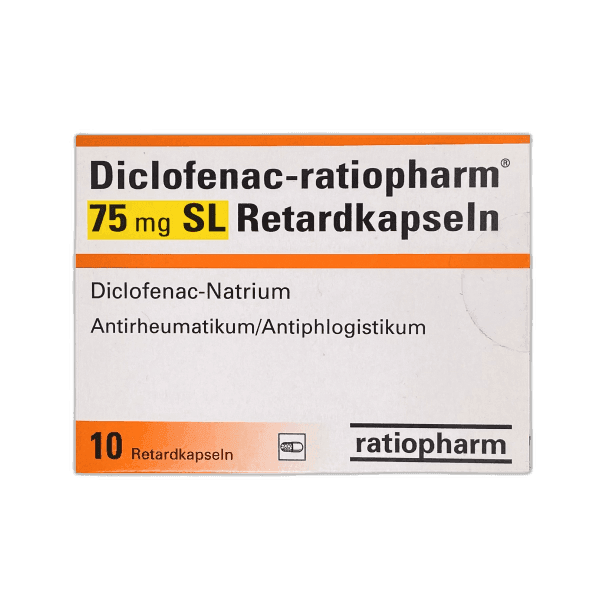
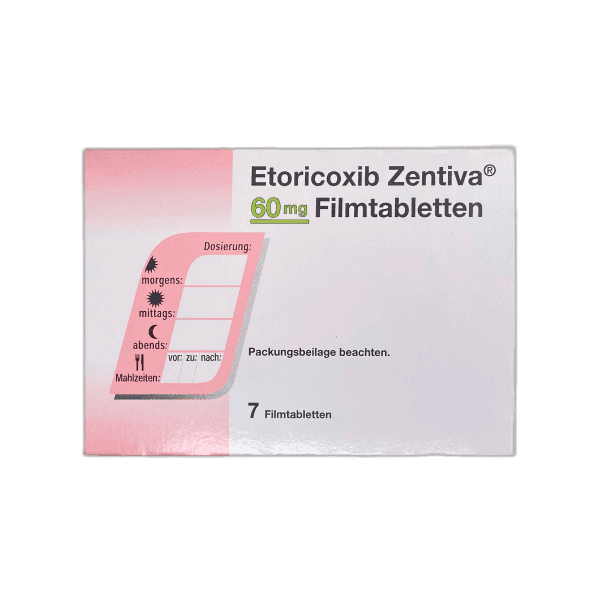
Is Prednisolone right for you?
A licensed doctor will review your information and issue a prescription if suitable. Discreet and secure.
Important Notice
This information does not replace medical advice. If you have questions about your health or the suitability of this medication, please consult a doctor or pharmacist.
Important Safety Information
This service operates under German pharmaceutical law (HWG). For risks and side effects, read the package leaflet and consult your doctor or pharmacist. All medications are dispensed from a licensed pharmacy in Germany.