
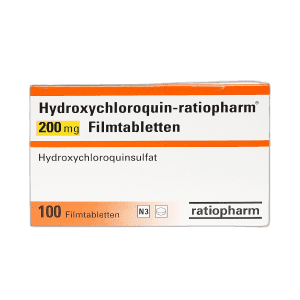
What is Hydroxychloroquine?
Hydroxychloroquine is an antimalarial medication used to prevent and treat malaria in areas without chloroquine resistance. It is marketed under the brand name Quensyl® and as a generic.
In addition, hydroxychloroquine is an important medication for autoimmune diseases such as systemic lupus erythematosus (SLE) and rheumatoid arthritis. For malaria prophylaxis, it is only suitable in regions with chloroquine-sensitive plasmodia (parts of Central America, the Near East, parts of Asia).
Active Ingredients & Mechanism of Action
Active ingredient: Hydroxychloroquin (als Sulfat)
Mechanism of action (malaria):
- Accumulates in the acidic food vacuole of the malaria parasite
- Inhibits the parasite's heme polymerase
- Toxic heme accumulates and kills the parasite
- Acts against the blood stages (erythrocytic schizonts)
Additional properties:
- Immunomodulatory (hence its use in autoimmune diseases)
- Anti-inflammatory
- Antiproliferative
Limitation: Hydroxychloroquine does not act against liver schizonts. It therefore has to be taken for 4 weeks after the trip to catch parasites that pass from the liver into the blood.
Who is it suitable for?
Hydroxychloroquine for malaria prophylaxis is suitable for:
- Travelers to areas WITH chloroquine-sensitive malaria
- Parts of Central America, the Middle East, parts of South Asia
- Long-term travelers (good for longer stays)
Not suitable:
- Areas with chloroquine resistance (sub-Saharan Africa, Southeast Asia, South America)
- Severe retinal diseases (retinopathy)
- Hypersensitivity to 4-aminoquinolines
- G6PD deficiency (risk of hemolysis)
- Myasthenia gravis
Available Dosages
Malaria prophylaxis:
- 400 mg (2 tablets of 200 mg each) once weekly
- Start: 1–2 weeks before entering the country
- Throughout the entire stay: weekly
- After leaving the country: another 4 weeks
Available strengths:
- 200 mg film-coated tablets
Day of intake:
- Always take on the same day of the week
- Example: always on Mondays
How to Take
Intake:
- Once weekly on the same day of the week
- Take with a meal
- With enough water
Prophylaxis schedule: 1. Start: 1–2 weeks before the trip 2. Weekly during the trip 3. Continue taking for 4 weeks after your return
Important notes:
- Take a missed dose as soon as possible
- Use sun protection (phototoxicity possible)
- Mosquito protection remains essential
- Regular eye examinations with long-term use
Contraindications
Hydroxychloroquine must not be taken in case of:
- Pre-existing maculopathy/retinopathy
- Hypersensitivity to hydroxychloroquine or chloroquine
- G6PD deficiency
- Myasthenia gravis
Caution with:
- Epilepsy (lowering of the seizure threshold)
- Liver function disorders
- Renal insufficiency
- Porphyria
- Psoriasis (worsening possible)
- QT prolongation or medications that prolong the QT interval
- Pregnancy (benefit-risk assessment; can be used for malaria prophylaxis)
Possible Side Effects
Common (1–10%):
- Gastrointestinal complaints (nausea, abdominal pain, diarrhea)
- Headache
- Skin rash
Uncommon (0.1–1%):
- Visual disturbances
- Dizziness
- Nervousness, sleep disorders
- Hair loss
- Itching
Rare but serious (long-term use):
- Retinopathy (irreversible retinal damage) – regular eye check-ups!
- Cardiomyopathy
- Neuromyopathy
- Blood count changes
- QT prolongation
Note: With short-term malaria prophylaxis (a few weeks), the risk of serious side effects is very low. Retinopathy is mainly a problem with long-term therapy over years.
Interactions
Do not use at the same time:
- Halofantrine
- MAO inhibitors
- Substances that damage the liver (caution also with alcohol in larger amounts)
Not recommended:
- Medicines that can damage the retina (e.g. tamoxifen)
Caution when taken at the same time as:
- Medicines that prolong the QT interval, e.g. amiodarone, tricyclic antidepressants, antipsychotics, moxifloxacin, azithromycin or fluconazole (increased risk of heart rhythm disorders)
- Other medicines that can lower the seizure threshold, e.g. mefloquine or bupropion (increased risk of seizures)
- Medicines for epilepsy (their effect may be reduced)
- Insulin and other blood sugar-lowering medicines (the lowering of blood sugar may be increased, and a lower dose of these medicines may be needed)
- Digoxin, dabigatran or ciclosporin (higher blood levels of these medicines possible)
- Methotrexate (its effect is increased)
- Cimetidine and substances that inhibit the breakdown of hydroxychloroquine, e.g. clarithromycin, itraconazole, ritonavir, fluoxetine, paroxetine or grapefruit juice (more side effects possible)
- Rifampicin, St John's wort, carbamazepine, phenobarbital or phenytoin (hydroxychloroquine may work less well)
Keep a time gap:
- Magnesium-containing antacids (stomach acid binders) or kaolin: at least two hours apart from hydroxychloroquine
Vaccinations:
- Rabies vaccination: Antibody formation may be reduced. Vaccination into the muscle is recommended.
- No effect on routine vaccinations (tetanus, diphtheria, measles, poliomyelitis, typhoid and tuberculosis) has been observed.
This list is not complete. Tell your doctor about all medicines you are taking.
Frequently Asked Questions
In many malaria regions (Africa, Southeast Asia, South America), the malaria parasites are resistant to chloroquine/hydroxychloroquine. There, Malarone® or doxycycline are the recommended forms of prophylaxis. Hydroxychloroquine only makes sense in areas without resistance.
Hydroxychloroquine only acts against parasites in the blood, not in the liver. After the trip, parasites can still pass from the liver into the blood. The 4 weeks of continued intake catch these parasites. Malarone® only needs 7 days of continued intake because it also acts in the liver.
With short-term use for malaria prophylaxis (a few weeks), eye check-ups are not strictly necessary. With long-term therapy (e.g., for lupus over years), annual eye examinations are recommended, as retinopathy can occur.
Similar Medications
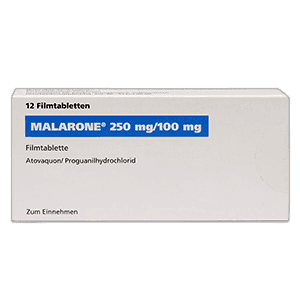
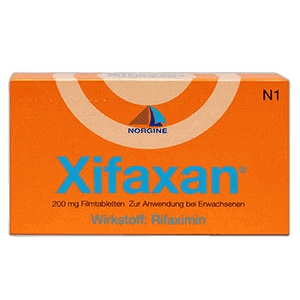
Is Hydroxychloroquine right for you?
A licensed doctor will review your information and issue a prescription if suitable. Discreet and secure.
Important Notice
This information does not replace medical advice. If you have questions about your health or the suitability of this medication, please consult a doctor or pharmacist.
Important Safety Information
This service operates under German pharmaceutical law (HWG). For risks and side effects, read the package leaflet and consult your doctor or pharmacist. All medications are dispensed from a licensed pharmacy in Germany.